
Can I Take A Power Bank On A Flight?

You can usually take a power bank on a flight only in your carry-on baggage, subject to watt-hour limits, airline approval rules, protection requirements, and the destination’s regulations. Never put a spare power bank in checked baggage.
Can A Power Bank Charge A Smartwatch?

A power bank can charge a smartwatch when the watch’s approved charging cable or puck is compatible with the power bank’s output and the power bank stays active at the watch’s low power draw.
How Long Does A Custom Power Bank Project Take?
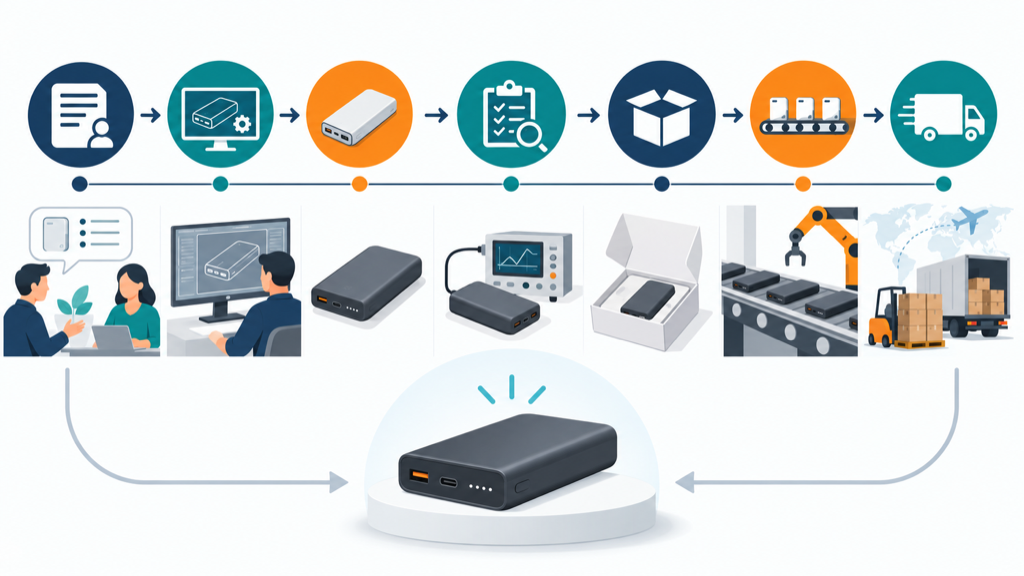
A custom power bank project usually moves through requirements, sample development, testing, certification planning, packaging, pilot production, and mass production. The exact schedule depends on customization depth, component readiness, sample revisions, and target markets.
Why Does A Power Bank Lose Charge When Not Used?

A power bank can lose charge while unused because of normal battery self-discharge, the protection and monitoring circuit, indicator power, temperature, age, or a connected cable or device drawing current.
Is A Higher-Capacity Power Bank Always Better For A Product Line?

No. Higher capacity is better only when it matches the customer’s devices, use case, target price, weight limit, charging speed, and transport requirements. A well-positioned 5,000mAh or 10,000mAh model can outperform a larger model.
How Should Retailers Design Power Bank Packaging For Fewer Returns?

Retailers should design power bank packaging around accurate claims, clear compatibility, visible specifications, safety information, included accessories, and easy unboxing. Good packaging helps customers choose correctly before they buy.
Should Brands Add Built-In Cables To Power Banks?
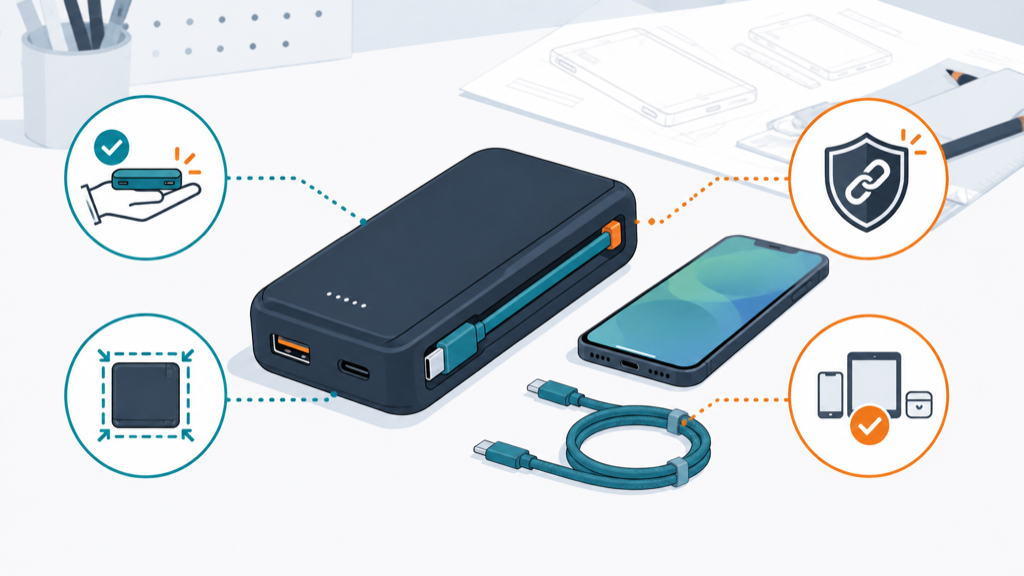
Brands should add a built-in cable when convenience, compactness, and the target device ecosystem justify it. They should avoid it when users need many connector types, easy replacement, or high long-term repairability.
Can A Power Bank Charge Two Devices At The Same Time?
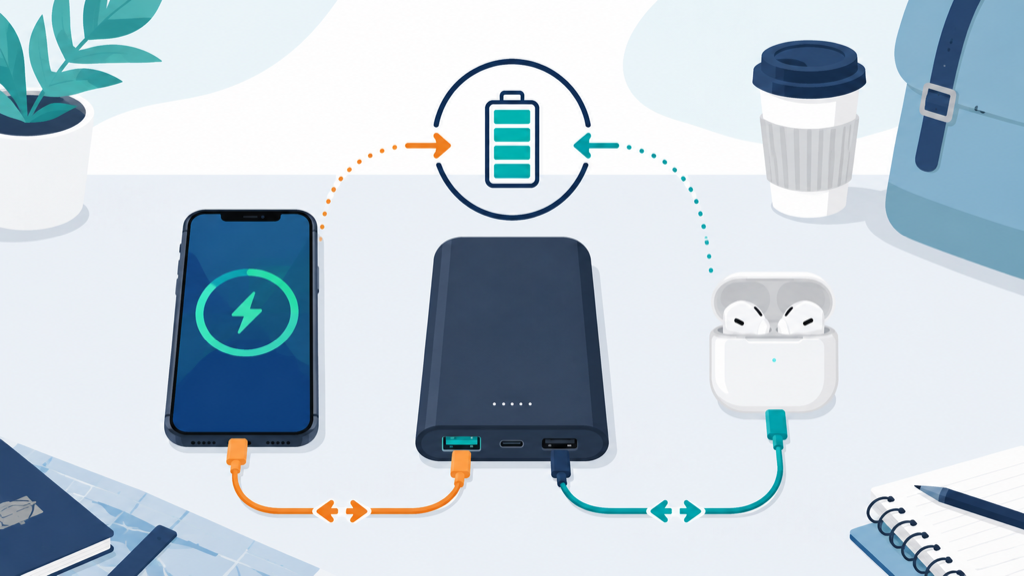
Yes, a power bank can charge two devices at the same time when its circuit supports multi-port output. The total available power is shared, so each device may receive less power than it would alone.
Why Does My Power Bank Drain So Fast?
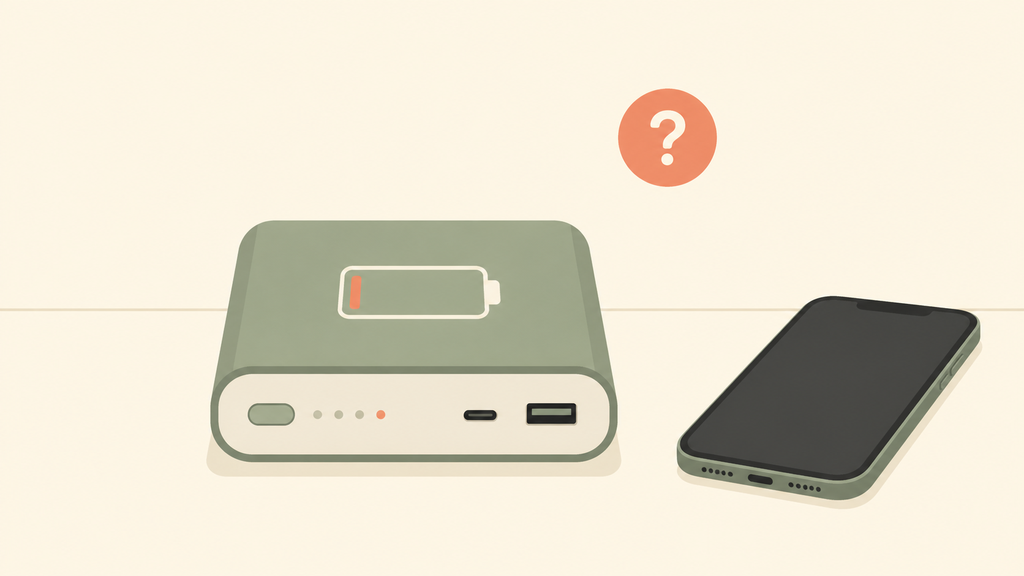
A power bank may drain fast because rated mAh is measured at the internal battery voltage, not phone output voltage. Fast charging, large phones, tablets, heat, old cells, poor cables, standby drain, and low-quality battery cells can also reduce usable runtime.
Why Is My Power Bank Charging So Slowly?
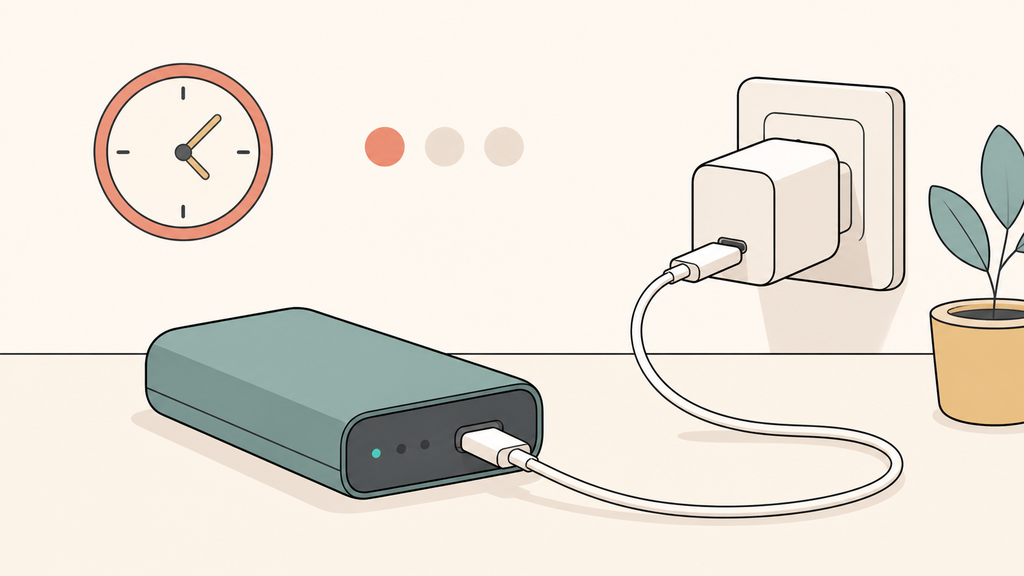
Your power bank may charge slowly because the wall charger is weak, the cable is not rated for enough current, the power bank has low input wattage, the battery is large, the USB-C PD profile is not negotiated, or temperature protection is limiting charging speed.
Can You Leave A Power Bank Charging Overnight?
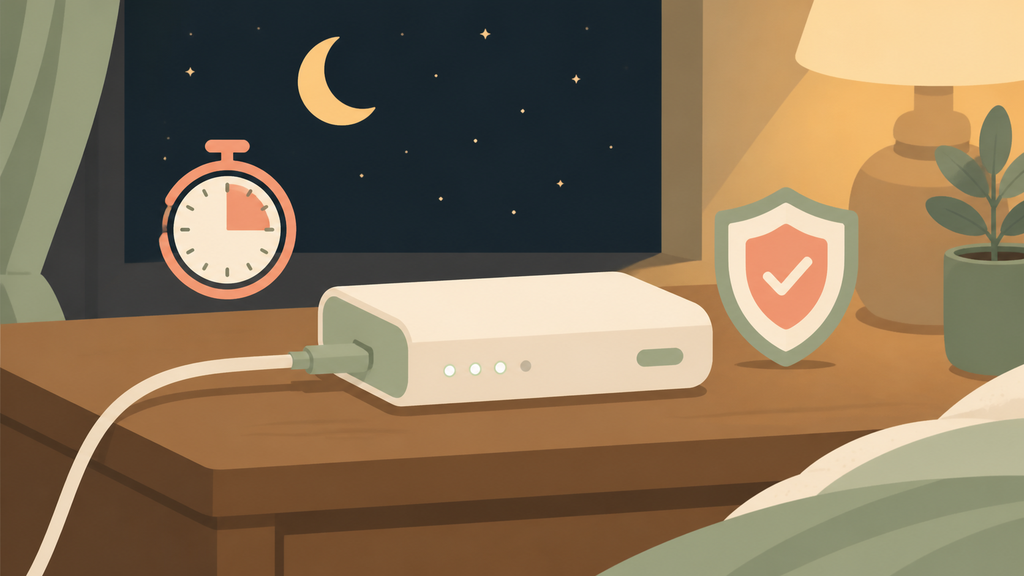
You can leave a good-quality power bank charging overnight occasionally if it has proper protection circuits and uses the correct adapter. It is still better to charge it on a hard surface, avoid heat, and unplug it after full charge when practical.
Do You Need A 240W USB-C Cable?
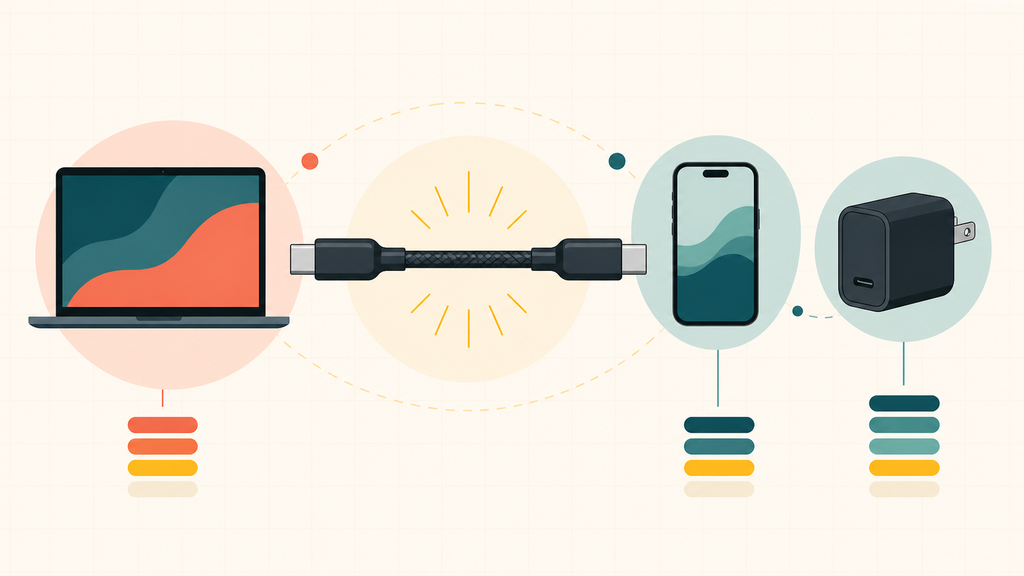
You need a 240W USB-C cable only if your charger and device can use USB Power Delivery Extended Power Range. For most phones, earbuds, and basic tablets, a 60W or 100W cable is usually enough. For high-power laptops, docks, and premium bundles, 240W can be worth it.
Can A Power Bank Catch Fire?
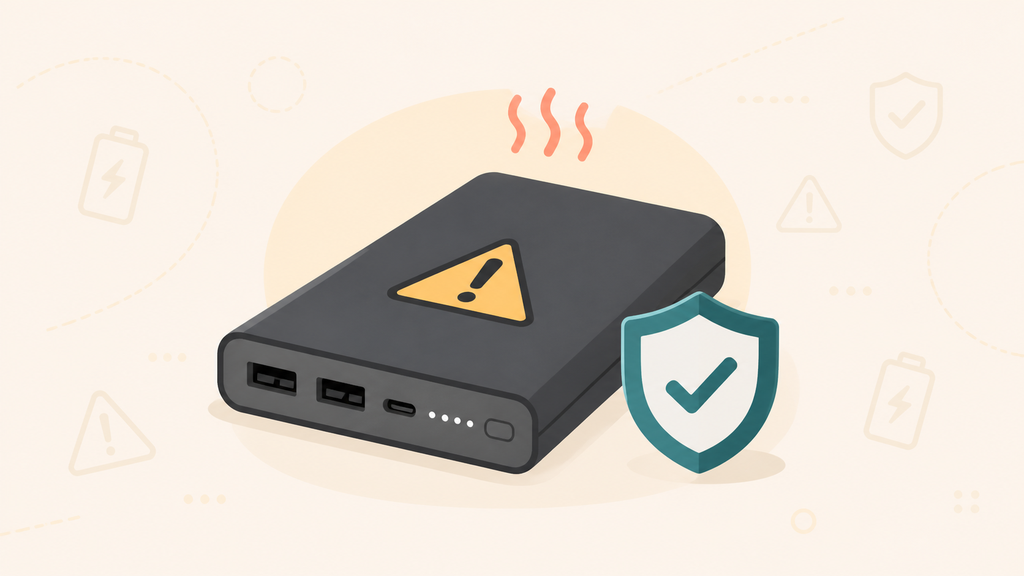
Yes, a power bank can catch fire if its lithium-ion battery enters thermal runaway, is physically damaged, overheats, is poorly manufactured, or is charged with unsafe electronics. Stop using any power bank that swells, leaks, smells strange, becomes unusually hot, or makes popping sounds.
Is It Normal For A Phone Charger To Get Hot?
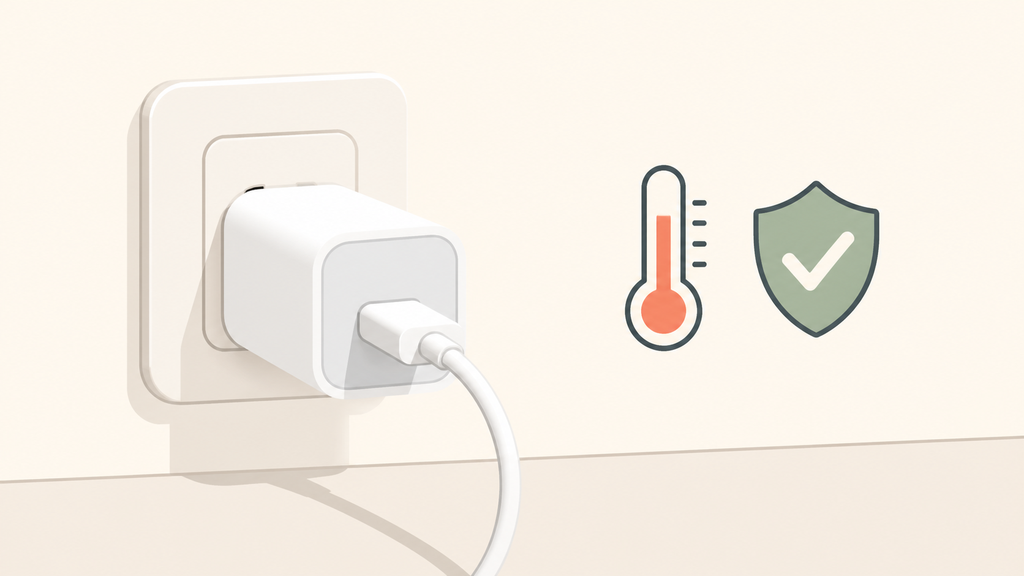
It is normal for a phone charger to feel slightly warm during charging, especially with fast charging. It is not normal if the charger becomes too hot to touch, smells, buzzes, sparks, cracks, or stays hot with no device connected. Stop using it if any warning sign appears.
Can A Wireless Charger Work Through A Phone Case?
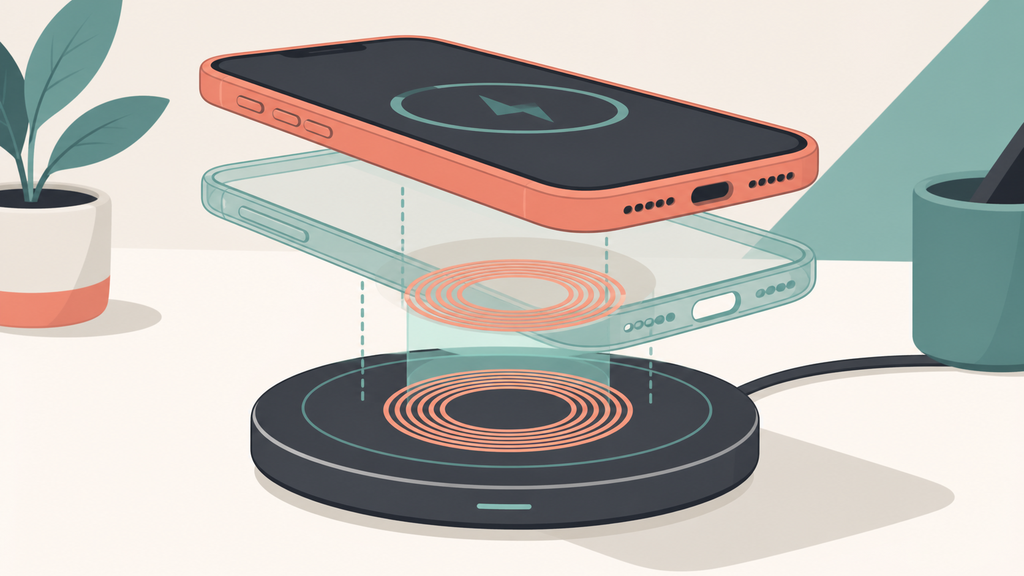
A wireless charger can work through many phone cases, but thick cases, metal plates, wallets, magnets in the wrong position, pop grips, and poor coil alignment can block or weaken charging. Thin non-metal cases usually work best.
Why Does My Power Bank Lose Charge When Not Used?
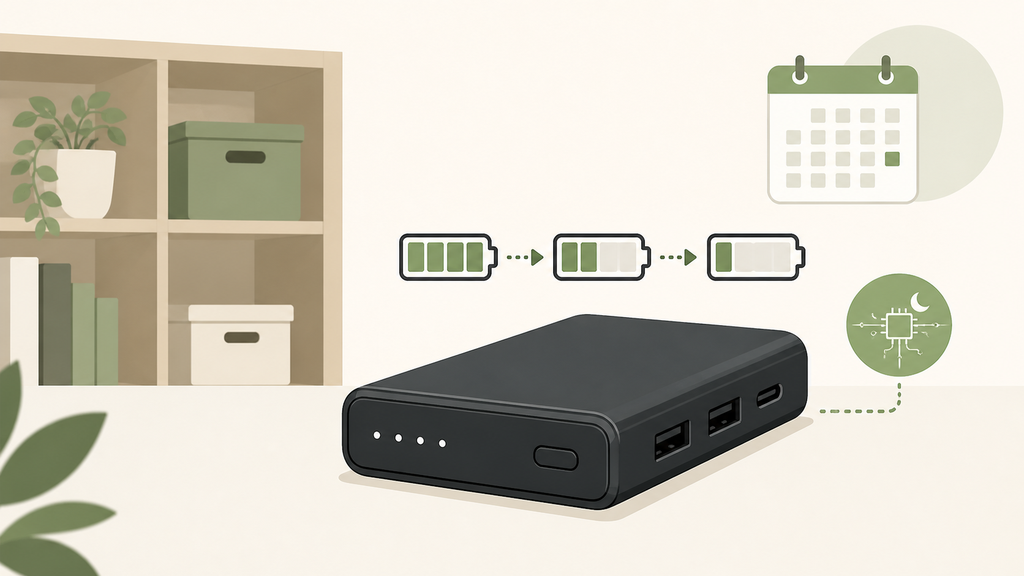
A power bank loses charge when not used because lithium batteries self-discharge and internal circuits keep consuming small amounts of power. Fast loss, swelling, heat, or failure to recharge may indicate an aging cell, poor PCB design, or unsafe storage.
Why Is My Wireless Charger Blinking And Not Charging?
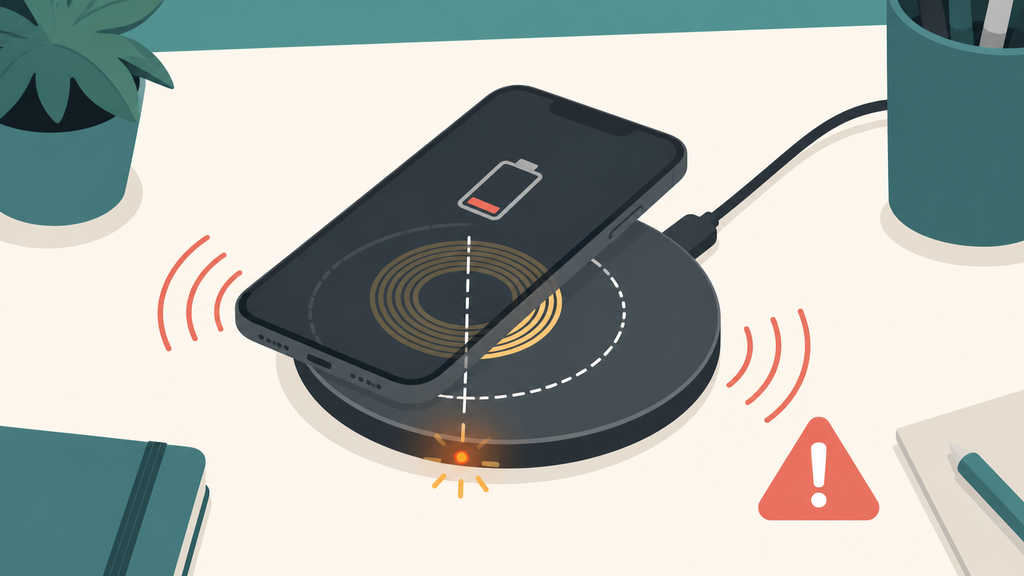
A wireless charger may blink and stop charging because the phone is misaligned, a metal object is detected, the case is too thick, the adapter is underpowered, the charger overheats, or the phone does not support the charger’s wireless standard.
Why Does My USB-C Cable Only Charge One Way?
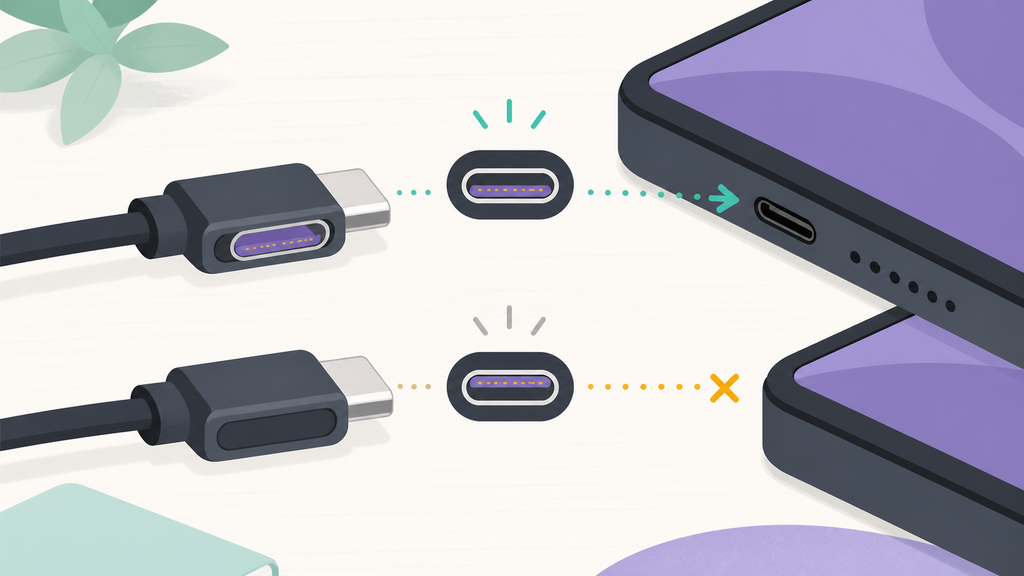
A USB-C cable may only charge one way because of damaged connector pins, dirt in the port, poor cable construction, loose plug fit, or a faulty device port. True USB-C is reversible, so one-way charging is usually a sign of wear, contamination, or low-quality manufacturing.
Why Does My Magnetic Power Bank Not Stick Well?
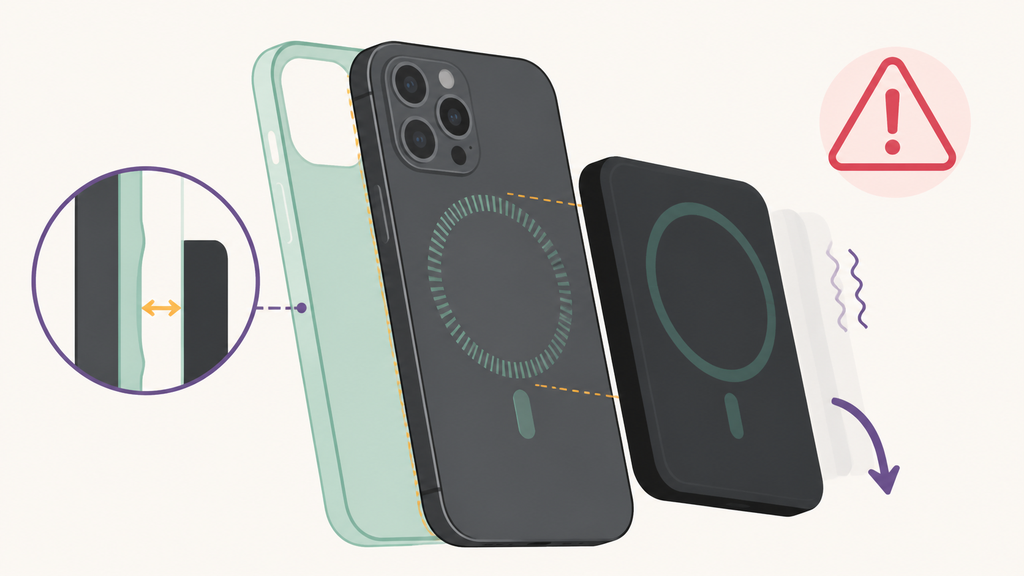
A magnetic power bank may not stick well because the phone lacks magnetic support, the case is too thick, magnets are weak or misaligned, the camera bump creates a gap, or the power bank surface is slippery. Strong magnets alone do not guarantee stable charging.
Is A 5000mAh Magnetic Power Bank Enough?
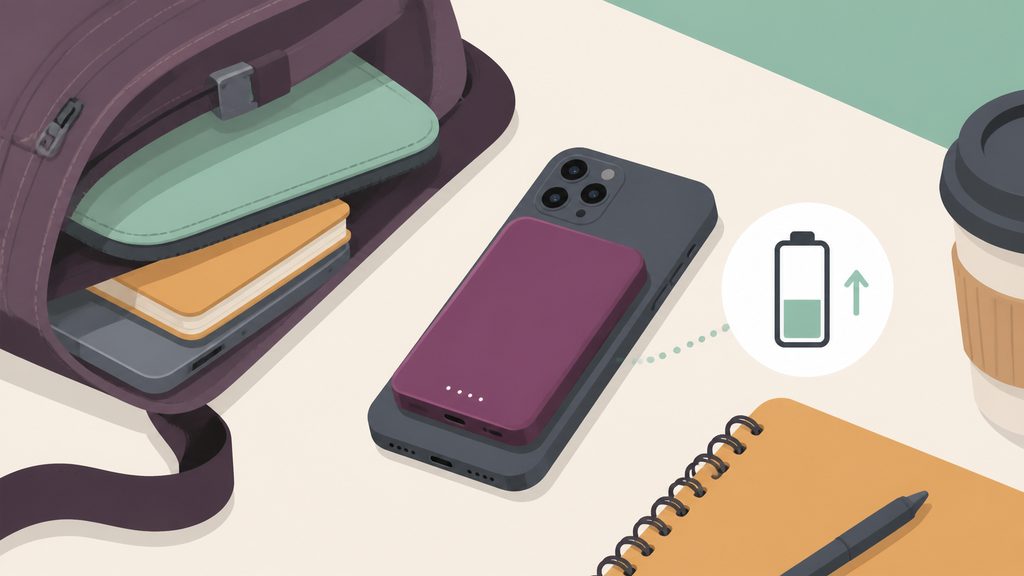
A 5000mAh magnetic power bank is enough for daily top-ups, travel backup, and emergency use, but it usually will not deliver a full 5000mAh to the phone. Conversion loss, wireless charging heat, phone size, and battery health reduce real usable output.
Why Does My Power Bank Get Hot While Charging?
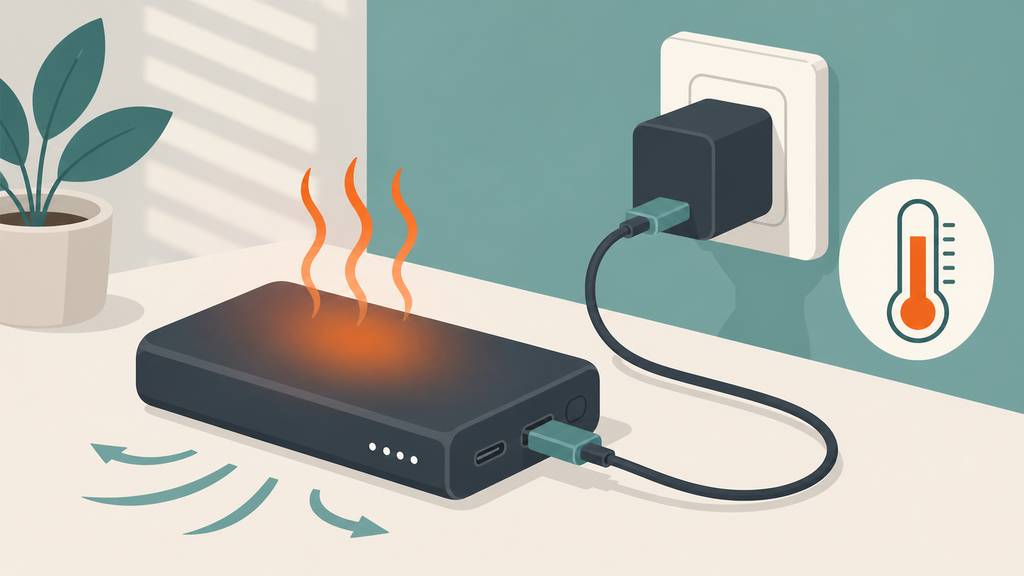
A power bank can get warm while charging because battery cells and charging circuits convert power and lose some energy as heat. It is not normal if the power bank becomes very hot, swells, smells burnt, charges slowly, or shuts down repeatedly.
Is It Safe To Leave A Charger Plugged In Without A Phone?
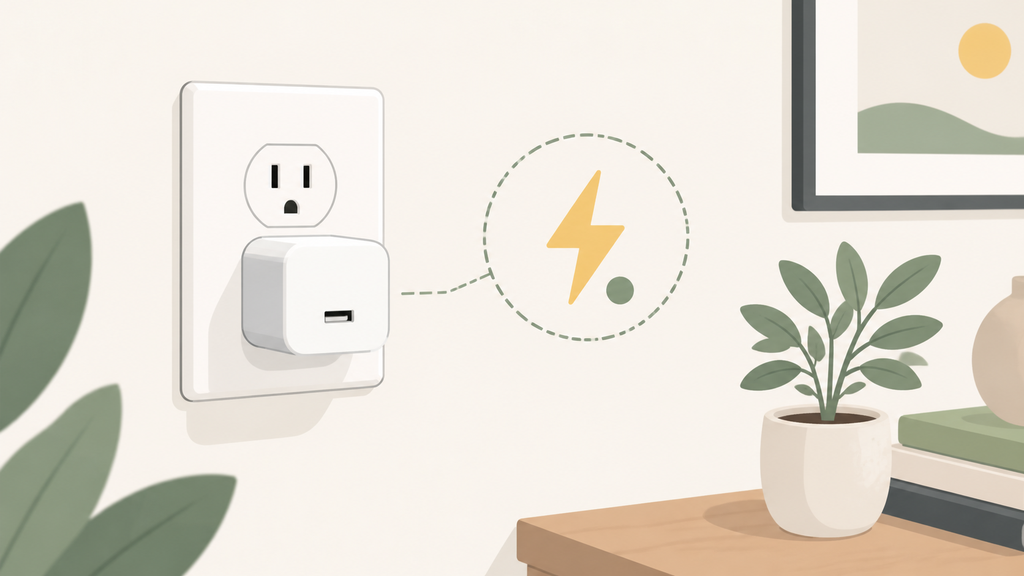
It is usually safe to leave a good charger plugged in without a phone, but it still uses small standby power and can become risky if it is damaged, counterfeit, hot, loose, wet, or poorly certified. Unplug questionable chargers and inspect warm outlets.
Why Does My Power Bank Stop Charging My Laptop?
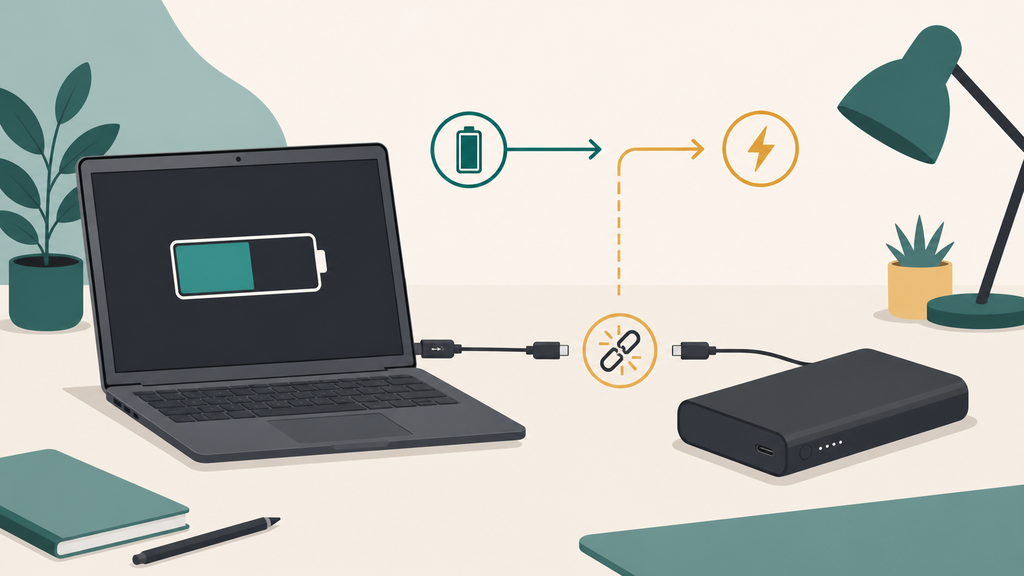
A power bank may stop charging a laptop because the wattage is too low, USB-C Power Delivery negotiation fails, the cable is not rated correctly, the laptop requests more power, the power bank overheats, or its low-current protection shuts down.
Why Is My Charger Making A Buzzing Noise?
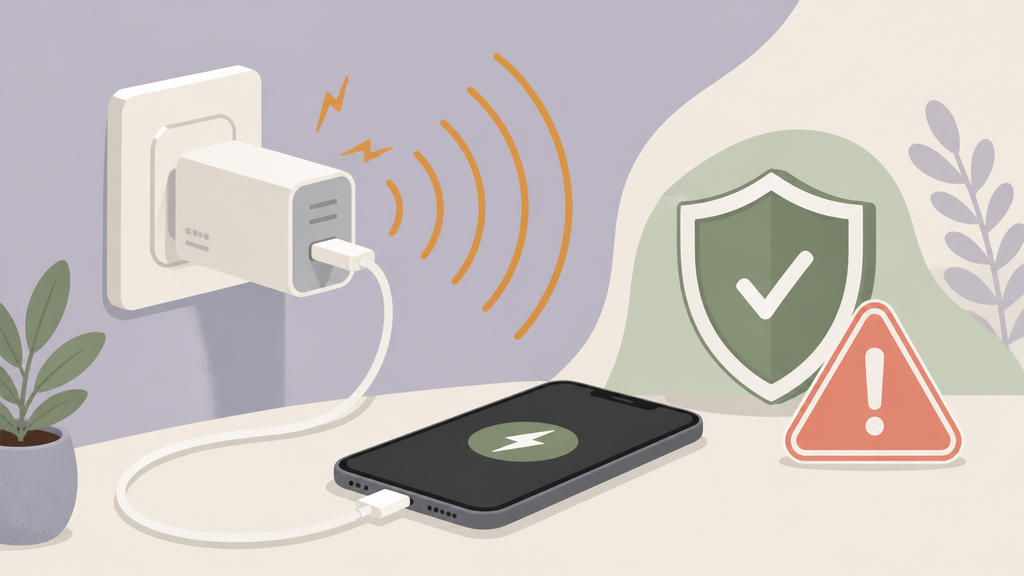
A charger may buzz because internal components vibrate under electrical load. A faint sound can be normal, but loud buzzing, heat, smell, flickering charging, or a damaged adapter means you should stop using it and check the charger.
Why Does My Charger Spark When I Plug It In?
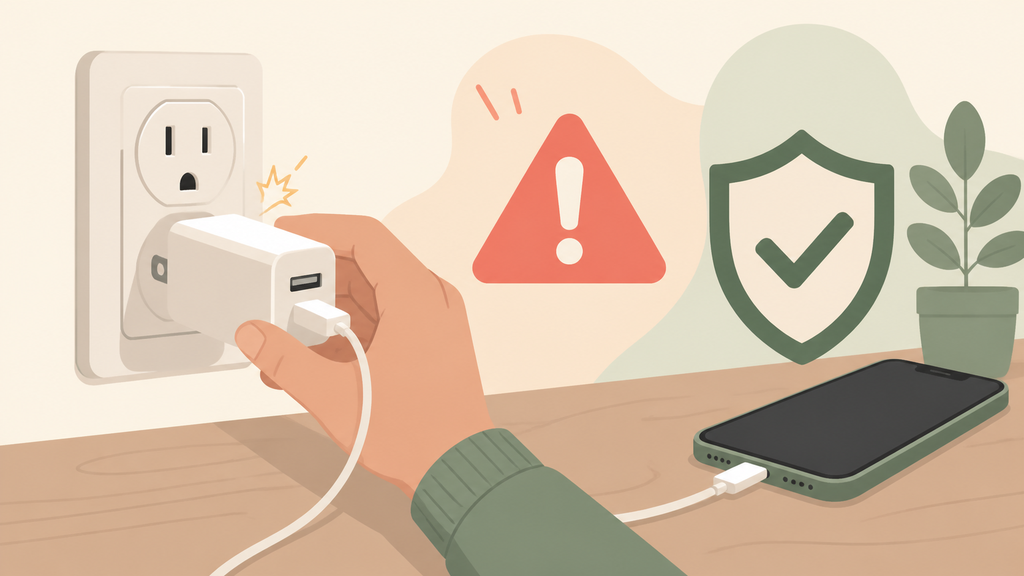
A charger may spark when plugged in because electricity jumps briefly as the plug contacts the outlet. A tiny single spark can be normal, but repeated sparks, burning smell, heat, loose outlets, or damaged plugs need immediate attention.
Can A Phone Charger Catch Fire?
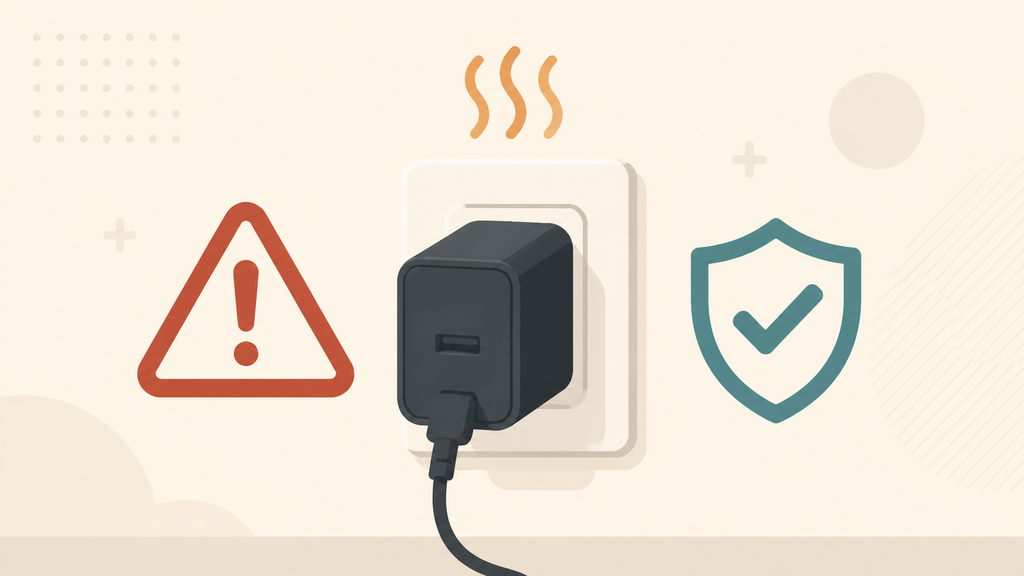
Yes, a phone charger can catch fire if it is poorly designed, counterfeit, overloaded, damaged, overheated, or used with a bad cable or outlet. Stop using any charger that smells burnt, sparks, buzzes, melts, becomes extremely hot, or leaves scorch marks.
Why Is My Wireless Charger Not Working?
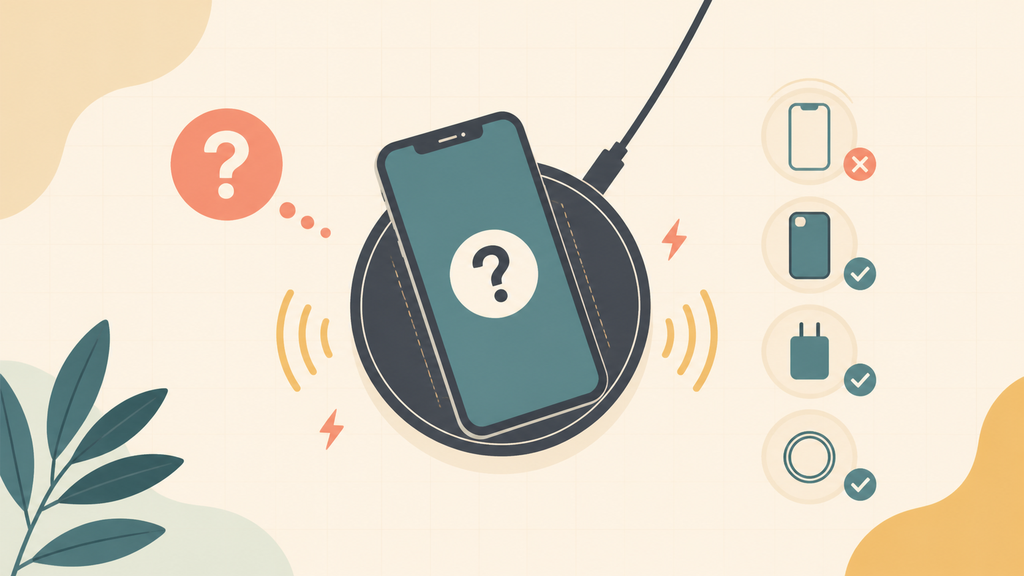
A wireless charger may not work because the phone is misaligned, the case is too thick, the power adapter is too weak, foreign objects block charging, the phone is too hot, the charger is incompatible, or the cable and adapter cannot supply enough stable power.
Why Does My Charging Cable Smell Like Burning?
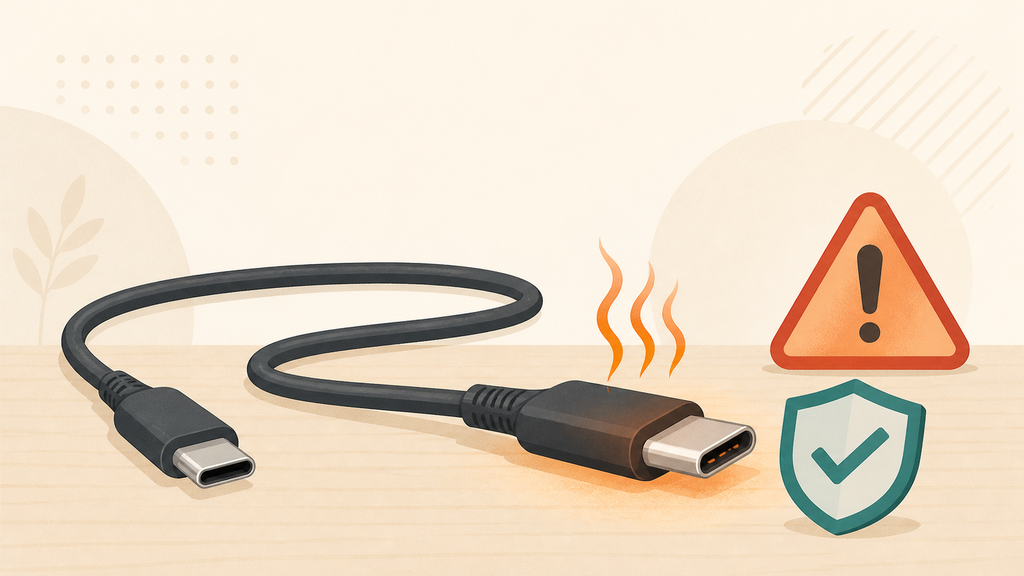
A charging cable may smell like burning because the connector is overheating, the wire is damaged, the cable is overloaded, the charger or port has poor contact, insulation is melting, or dirt and corrosion create resistance. Stop using it immediately and inspect the cable, charger, device port, and outlet.
Why Does My Charger Keep Disconnecting?
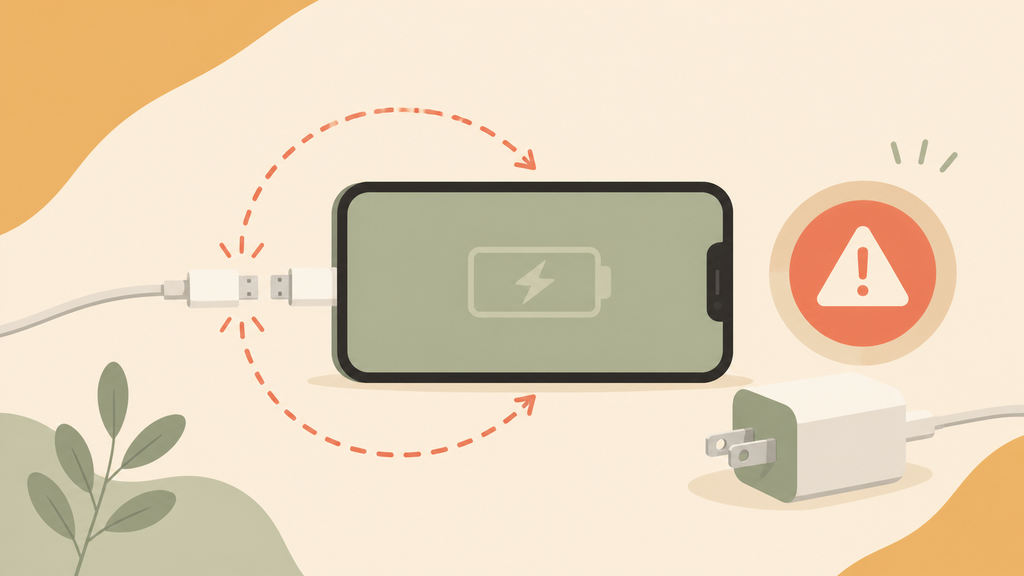
A charger keeps disconnecting when the cable is damaged, the charging port is dirty or loose, the adapter output is unstable, the phone gets too hot, or the charger and device fail to negotiate power correctly. Wireless chargers can also disconnect when alignment is poor.
Is Wireless Charging Bad For Your Battery?
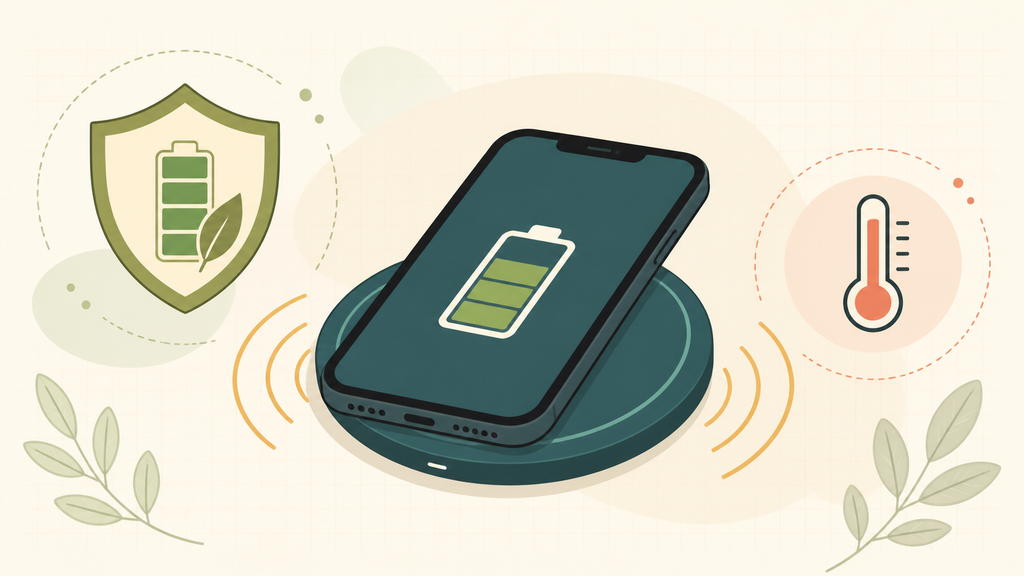
Wireless charging is not automatically bad for your battery, but excessive heat can speed up battery aging. A good wireless charger, proper alignment, a suitable adapter, and a thin case help reduce heat and make wireless charging safer for daily use.
Can A Cheap Charger Damage Your Phone?
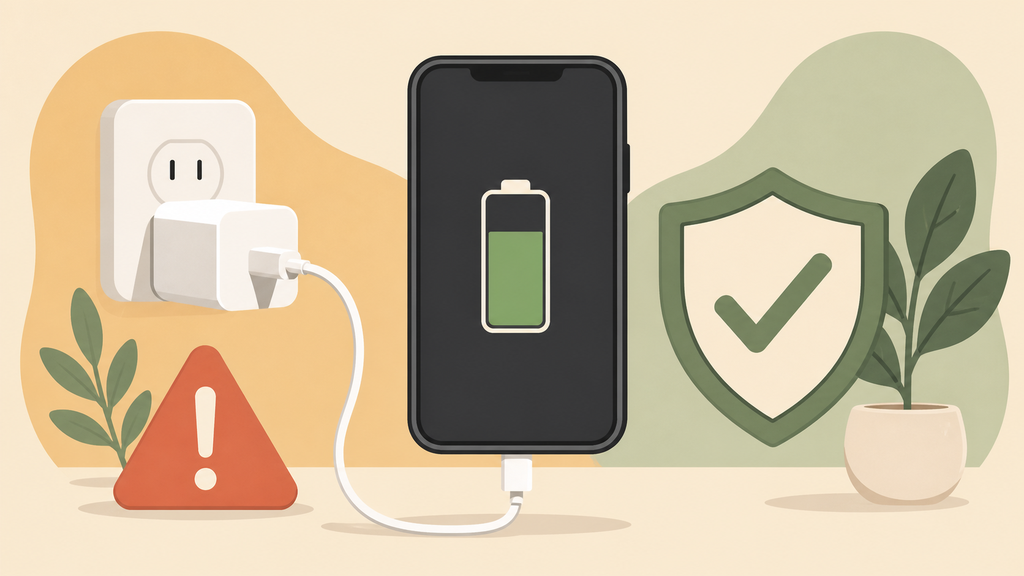
A cheap charger can damage your phone if it uses poor components, unstable voltage, weak protection, fake certification, or a bad cable. A low-price charger from a reliable manufacturer can be safe, but an uncertified or counterfeit charger is risky.
Can You Use A Wireless Charger With A Phone Case?
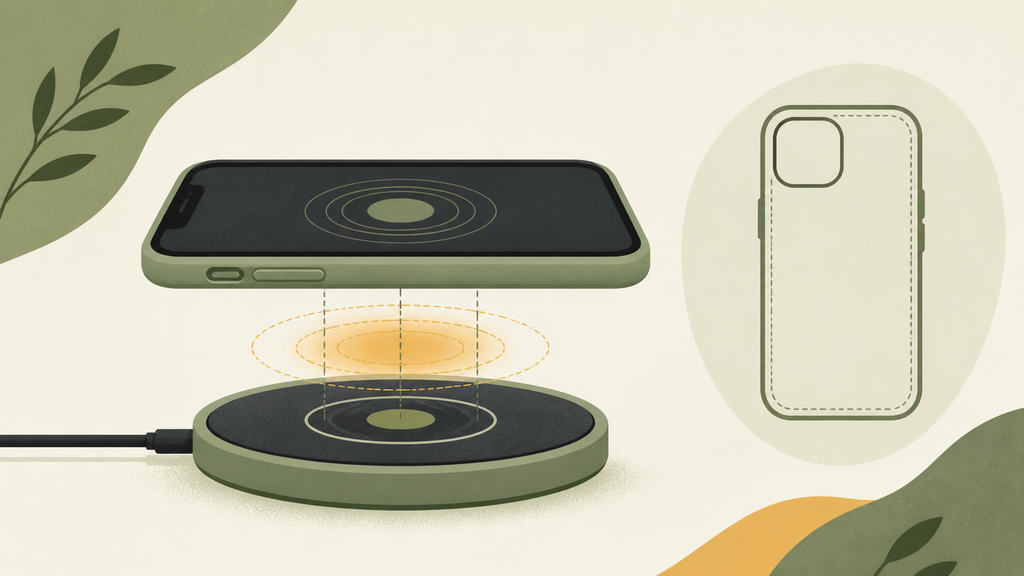
You can use a wireless charger with many phone cases, but the case must be thin enough, non-metallic, and properly aligned with the charging coil. Thick cases, metal plates, card holders, and some magnetic accessories can cause slow charging, heat, or failure.
What Is Qi2 Wireless Charging?
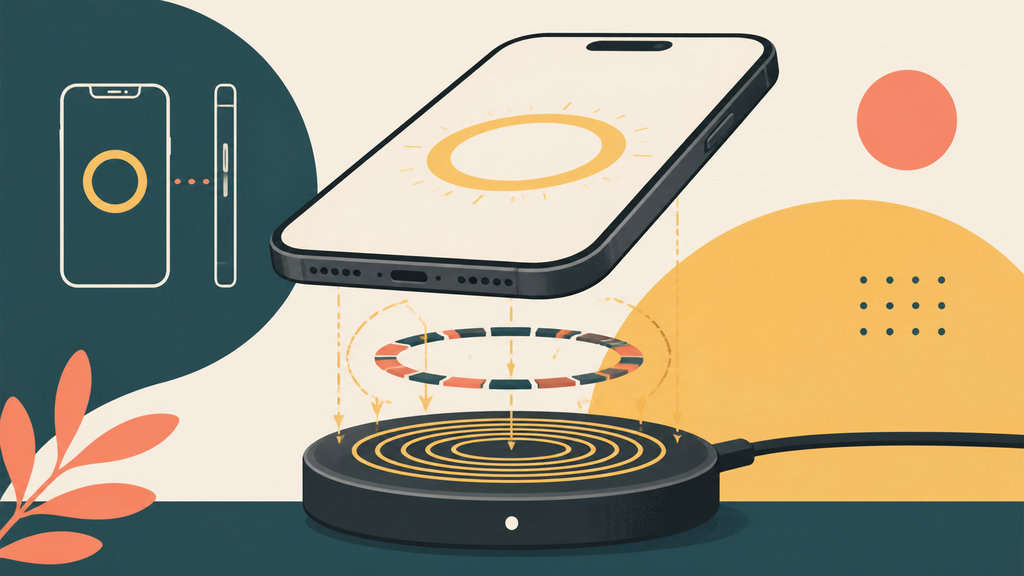
Qi2 is the newer Wireless Power Consortium wireless charging standard built around magnetic alignment and better interoperability. It helps phones and chargers line up more consistently, which can improve user experience, product trust, and accessory compatibility when the product is properly certified and designed.
Why Does My Phone Stop Charging At 80%?
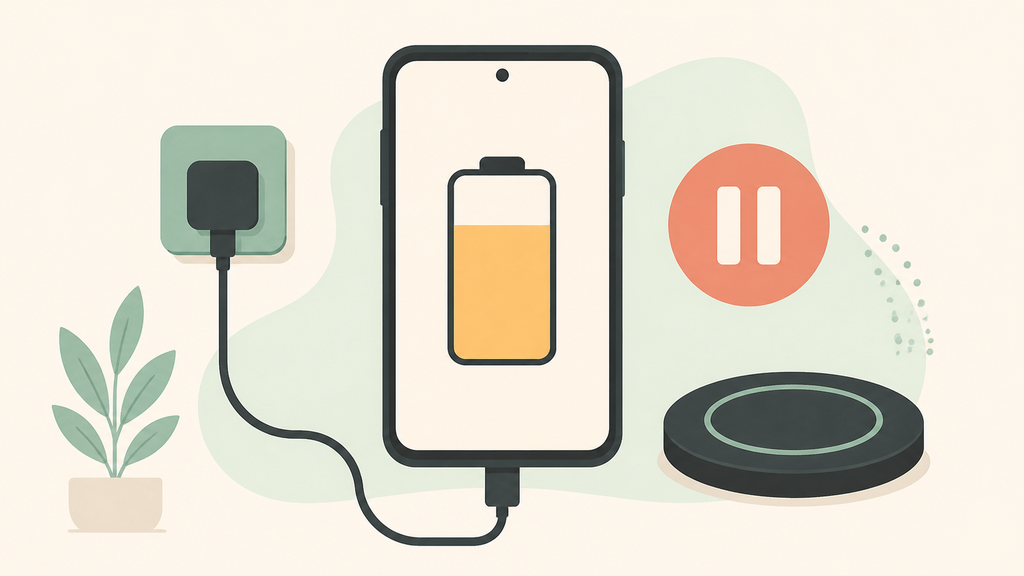
A phone often stops charging at 80% because battery protection, optimized charging, temperature control, or a charging limit is active. It can also happen when the charger, cable, or wireless pad creates too much heat or unstable power.
Why Does My Wireless Charger Get Hot?
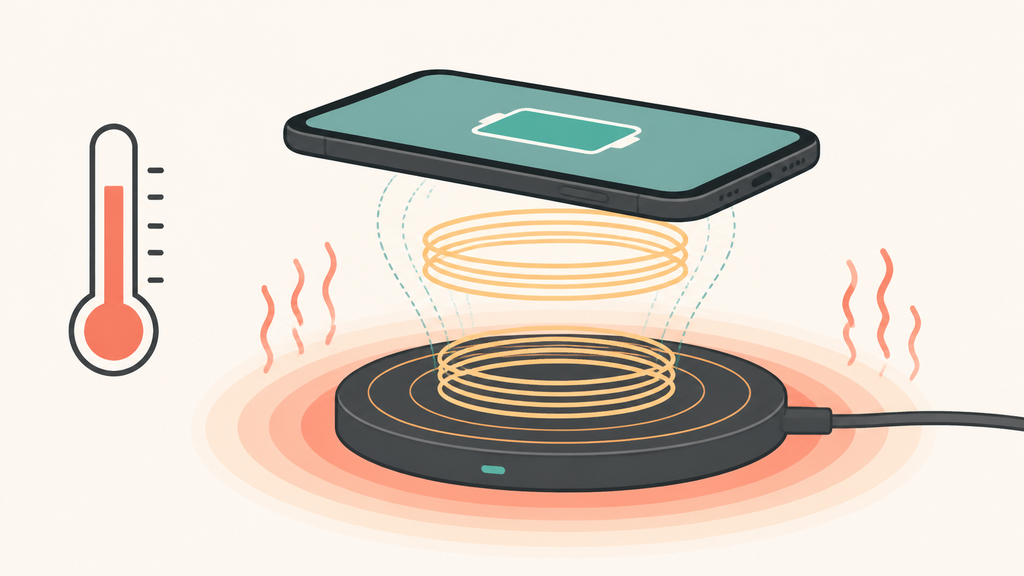
A wireless charger gets hot because energy is transferred through coils, and some energy becomes heat. Mild warmth is normal, but poor alignment, thick cases, metal objects, weak adapters, and low-quality coil design can make the temperature rise too much.
Can You Charge A Power Bank While Using It?
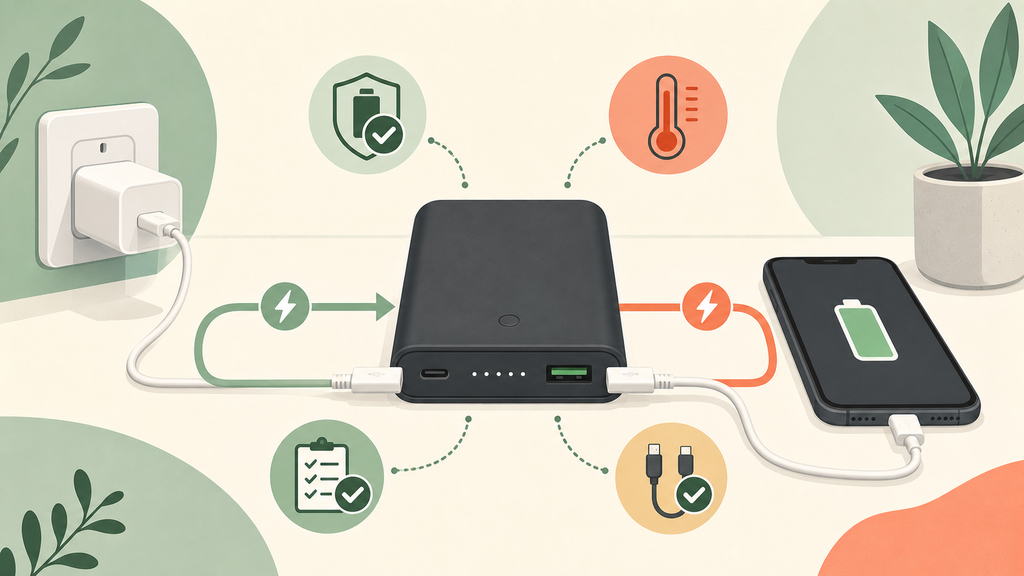
You can charge a power bank while using it only if the power bank supports pass-through charging. Even then, it may charge slower and run warmer. Use a quality charger and cable, keep it in open air, and stop if the power bank becomes hot, unstable, swollen, or smells unusual.
Why Does My Power Bank Keep Turning Off?
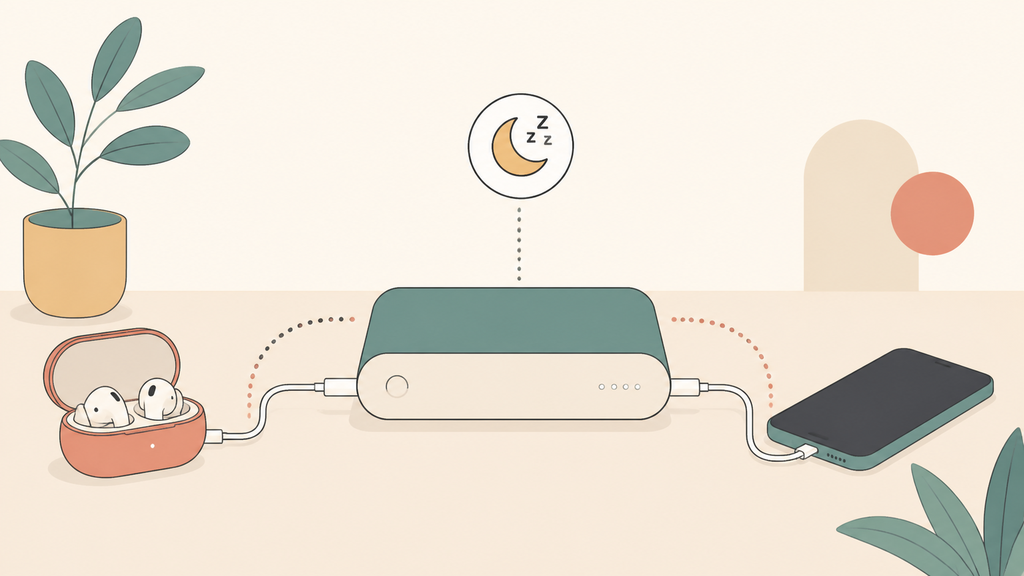
A power bank may keep turning off because the connected device draws too little current, the cable is unstable, the battery is low, the port is dirty, the protection circuit detects abnormal load, or the power bank is designed to auto-sleep when no active charging is detected.
Is It Safe To Leave A Phone Charger Plugged In?
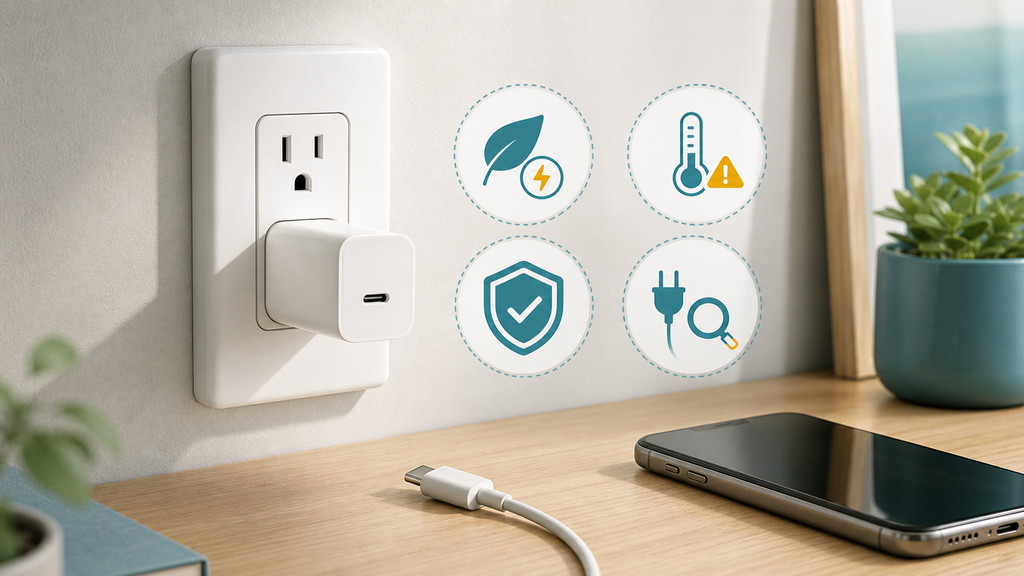
It is usually safe to leave a quality phone charger plugged in with no device attached, and modern chargers use very little standby power. The bigger concerns are poor-quality chargers, damaged cables, heat, loose outlets, dust, moisture, and leaving chargers under fabric or in tight spaces.
Why Is My Power Bank Swollen?
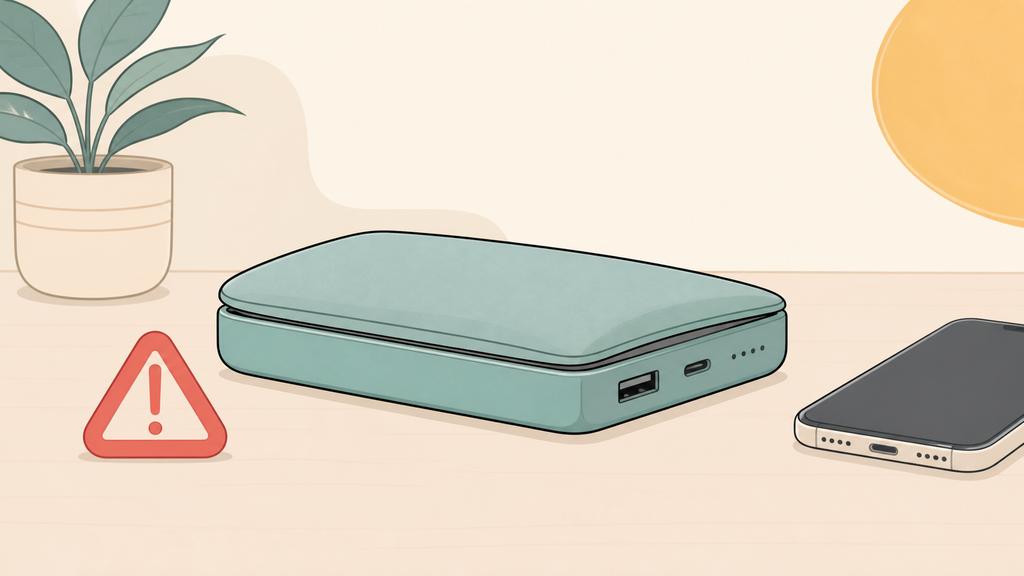
A power bank swells when its lithium-ion battery cells are stressed, damaged, overheated, overcharged, deeply discharged, aged, or poorly manufactured. Stop using a swollen power bank immediately, keep it away from heat and flammable materials, and follow local battery recycling or disposal rules.
Why Do Charging Cables Stop Working?
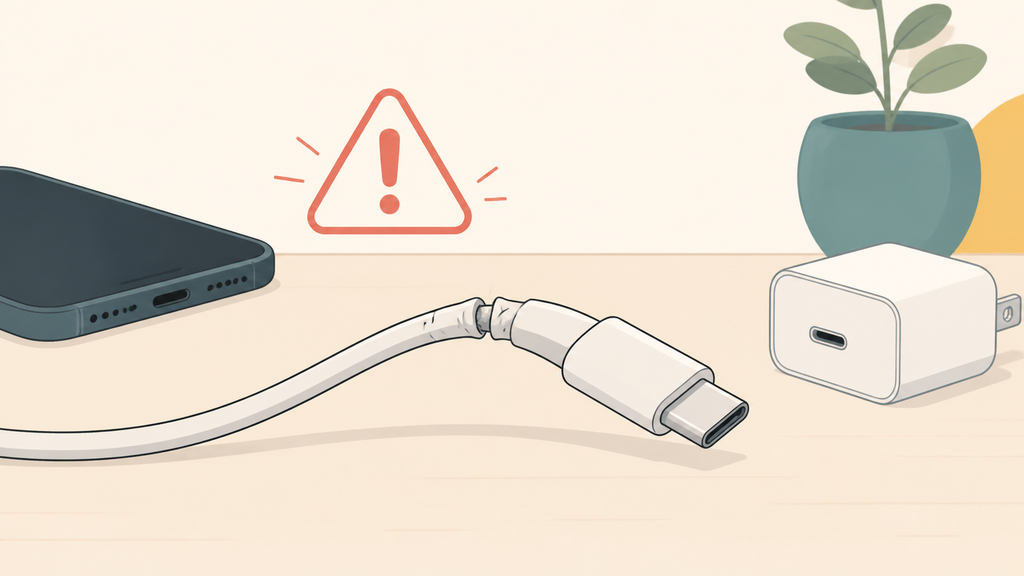
Charging cables stop working because of broken internal wires, worn connectors, bent strain relief, dirt in the port, poor-quality materials, corrosion, overheating, or protocol mismatch. A cable may still transfer some power but fail fast charging or data communication when damaged.
How Many Watts Should A Power Bank Have?
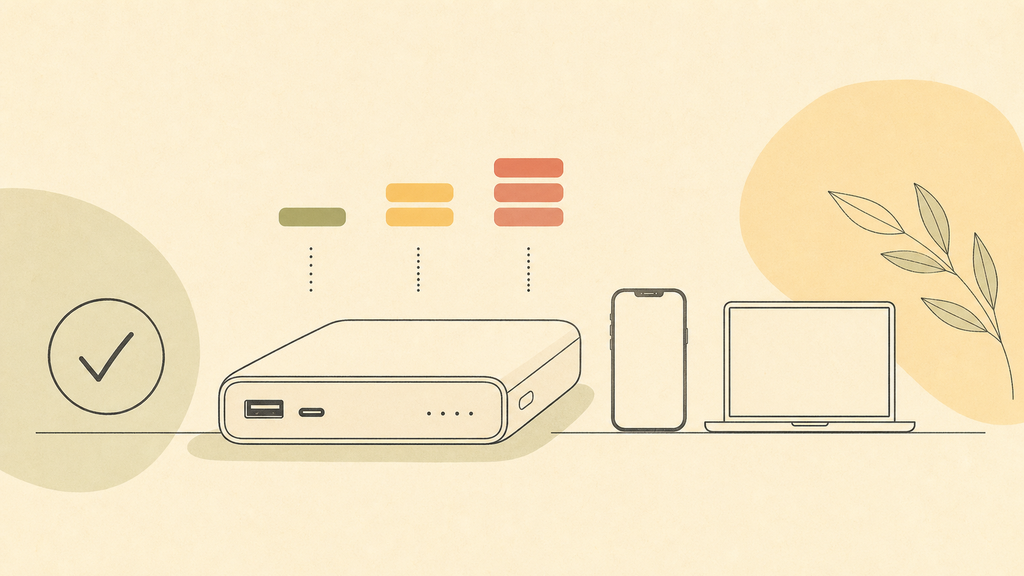
For phones, 20W-30W is enough for many users. Tablets often need 30W-45W. Small laptops may need 45W-65W, while larger laptops may need 100W or more. The right wattage depends on device support, USB-C PD design, battery capacity, cable rating, and heat control.
Can You Charge Your Phone If The Charging Port Is Wet?
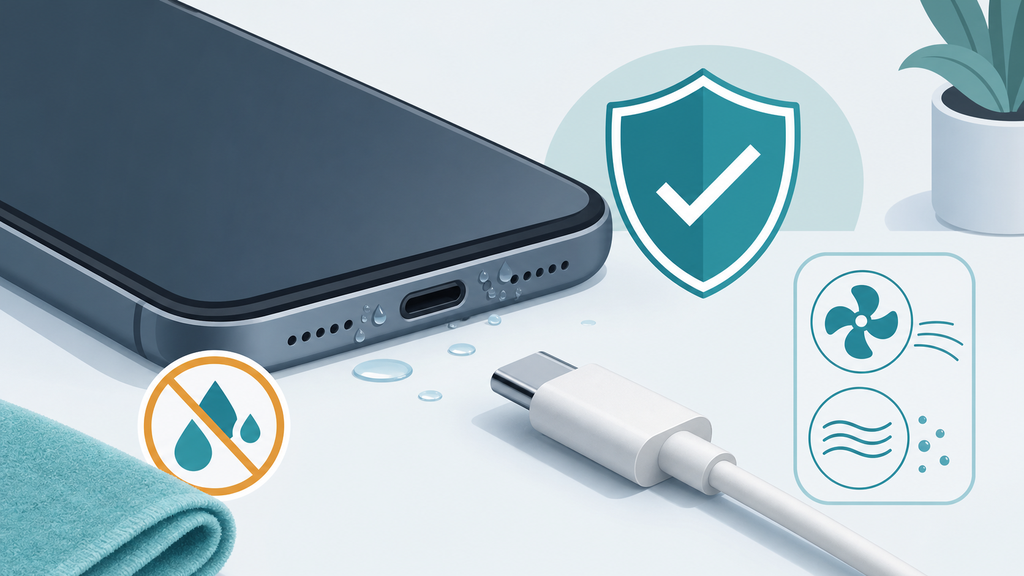
Do not charge your phone with a wet charging port. Unplug all cables, turn the connector downward, let the port dry naturally, and use wireless charging only if the phone supports it and the back is dry. Forced drying, heat, or sharp tools can damage the device.
Can You Charge A Power Bank With Any Charger?
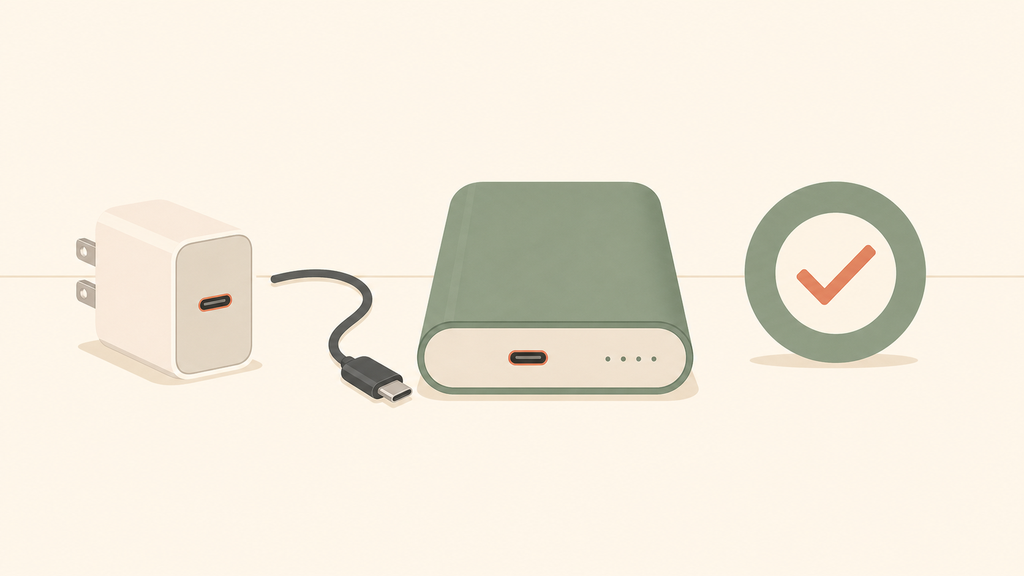
You can charge many power banks with different chargers if the connector fits and the charger output is compatible. For best results, use the input rating printed on the power bank, a quality USB-C PD charger when supported, and a suitable cable. Avoid damaged, very hot, fake, or unstable chargers.
Is Fast Charging Bad For Your Phone Battery?
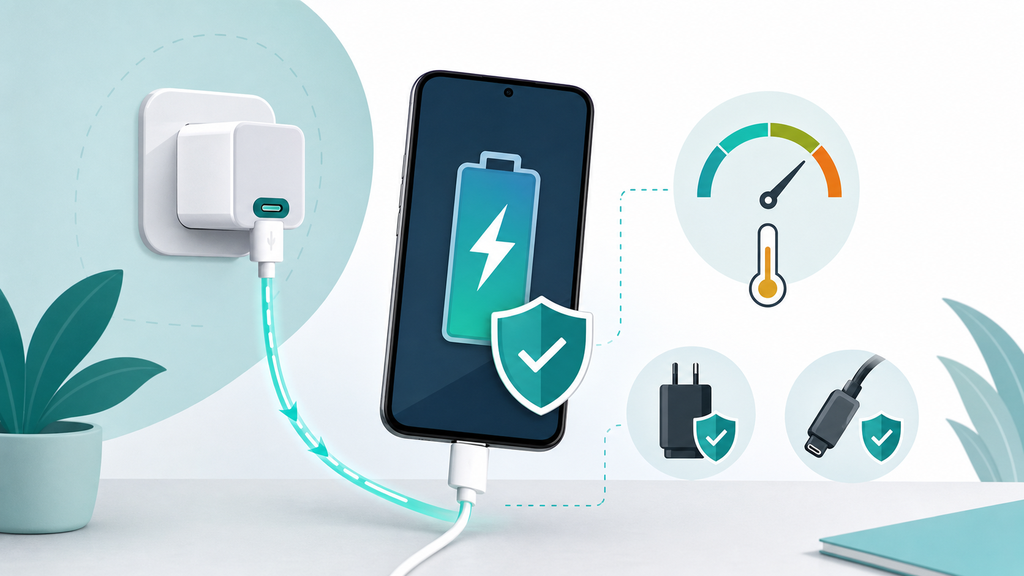
Fast charging is not automatically bad for your phone battery. Modern phones control charging speed, especially near 80 percent. The main battery risks are heat, poor chargers, damaged cables, heavy use while charging, and long-term high battery stress.
Can A Power Bank Damage Your Phone?
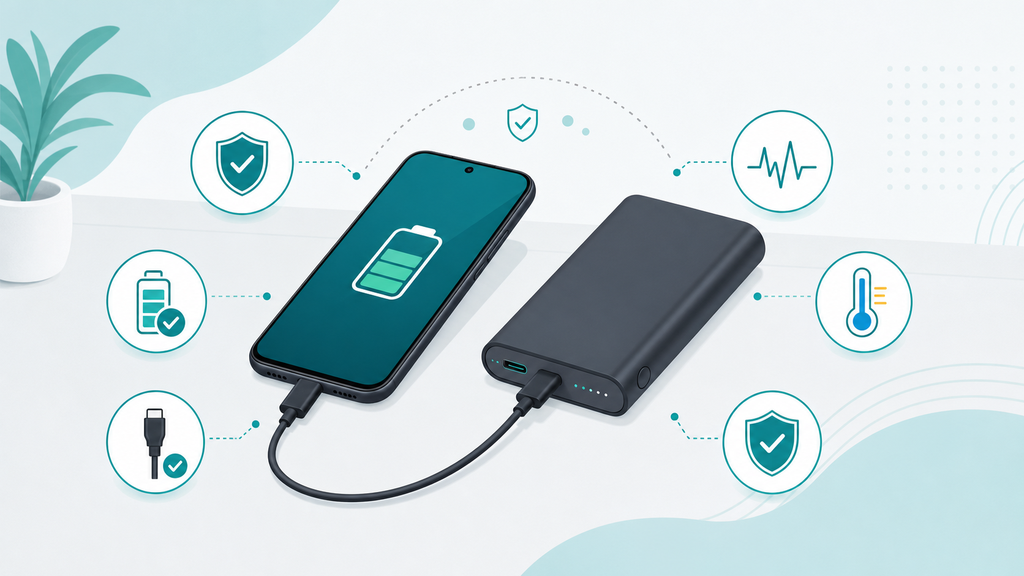
A quality power bank should not damage your phone because modern phones control how much power they accept. The real risks come from poor-quality power banks, damaged cables, unstable output, excess heat, fake ratings, and products without proper protection design.
Is It Safe To Use Your Phone While Charging?
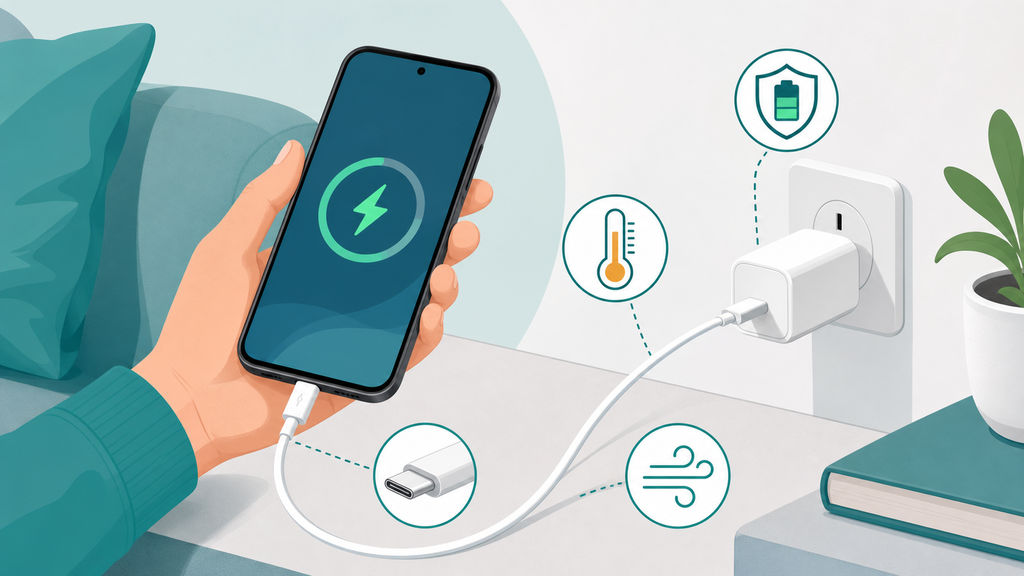
It is usually safe to use your phone while charging if the charger and cable are reliable, the phone stays cool, and the connector feels normal. Stop if the phone becomes hot, charging pauses, the cable gets warm, or the accessory looks damaged.
Is It Bad To Charge Your Phone Overnight?
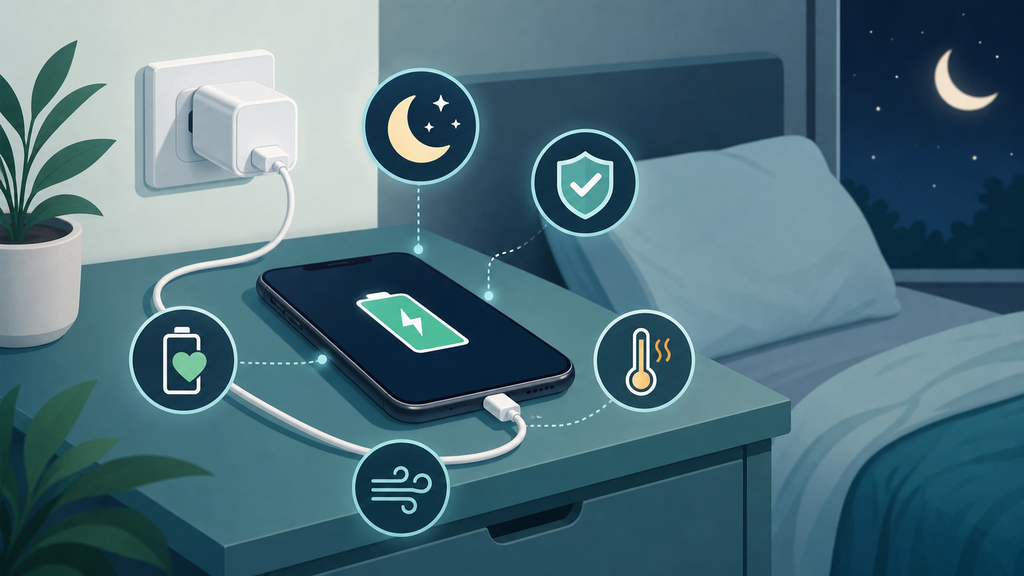
Charging your phone overnight is usually not bad if you use a quality charger, keep the phone cool, and avoid covering it. Modern phones manage charging automatically, but heat, damaged accessories, and unsafe locations can still create problems.
Why Is My Phone Charging So Slowly?
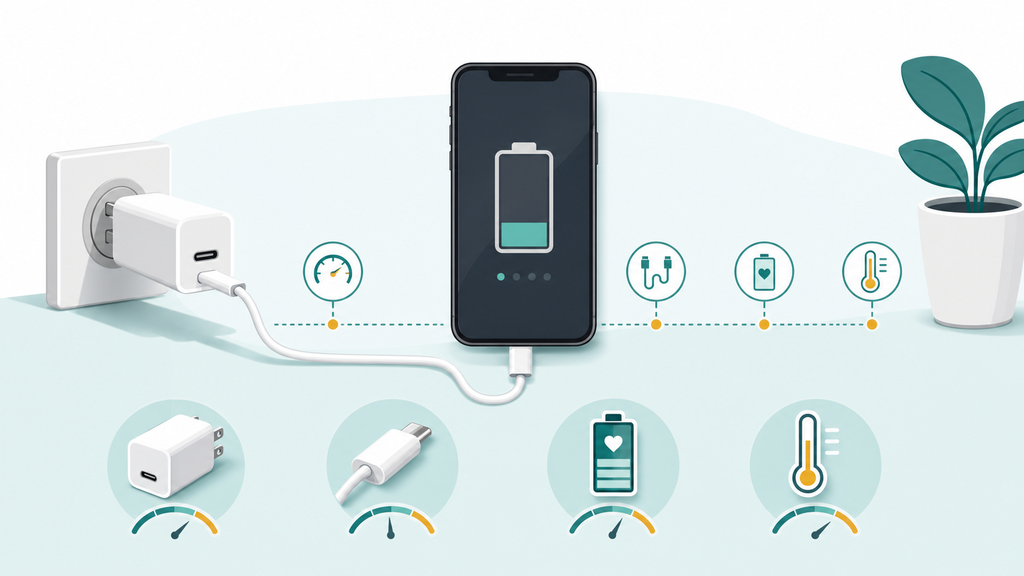
Your phone charges slowly because the charger, cable, phone settings, battery temperature, battery age, power source, or wireless alignment may be limiting power. Start by testing a proper wall charger and a known good cable before blaming the phone.
Why Does My Phone Get Hot While Charging?
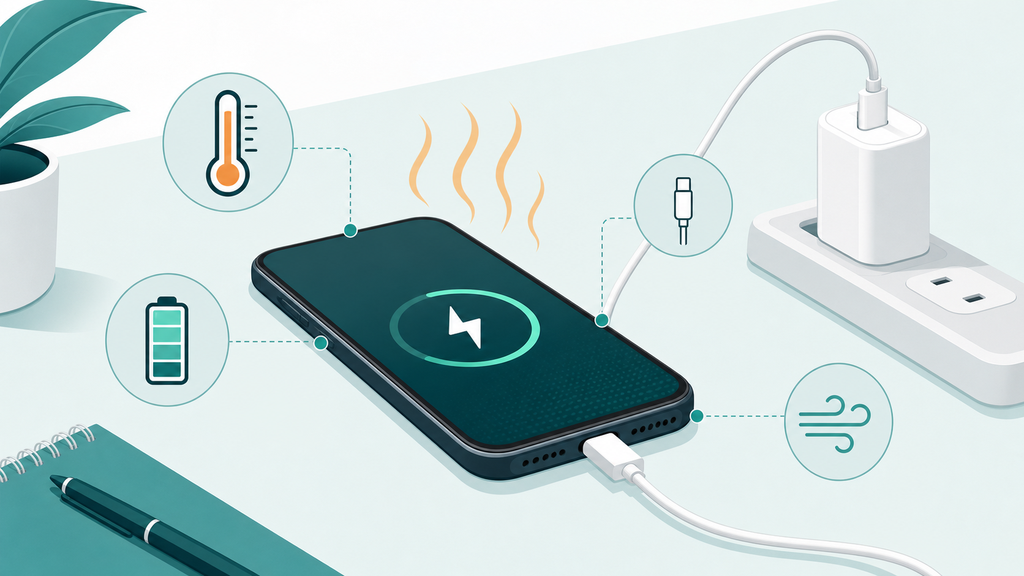
Your phone gets hot while charging because energy conversion, fast charging, wireless charging, apps, cases, and warm rooms all create heat. Mild warmth is common, but charging should slow, stop, or be checked if the phone becomes uncomfortable to hold.
Can You Use Any USB-C Charger With Any Phone?
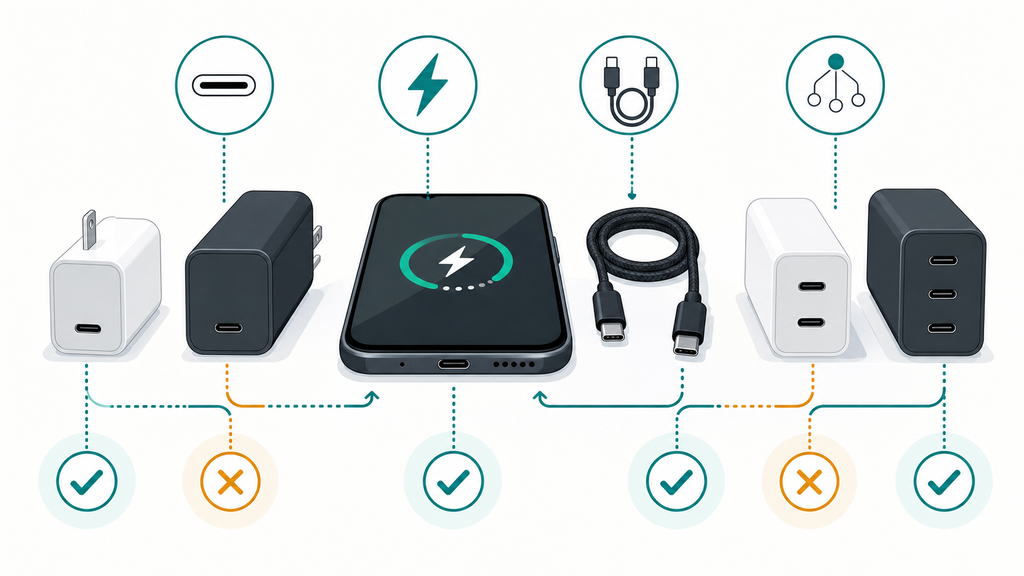
You can usually use a USB-C charger with any USB-C phone, but the charging speed depends on the phone, charger, cable, and supported protocol. For best results, choose a quality USB-C Power Delivery charger with enough wattage and the right cable.
