Frustrated by a project that crashed despite a great product? The true culprit often hides in plain sight: communication. Discover why even perfect products fail without it. Numerous studies highlight poor communication as a leading cause of project failure, with some indicating it contributes to 57% of project failures.
Poor communication silently cripples B2B projects by creating misunderstandings and missed expectations. It leads to rework, delays, and wasted resources, even when the product design itself is flawless. The financial impact is substantial; poor communication costs businesses an estimated $4 billion annually in the US alone, and companies risk $75 million for every $1 billion spent on a project due to ineffective communications. Globally, miscommunication translates to a $1.2 trillion productivity gap.
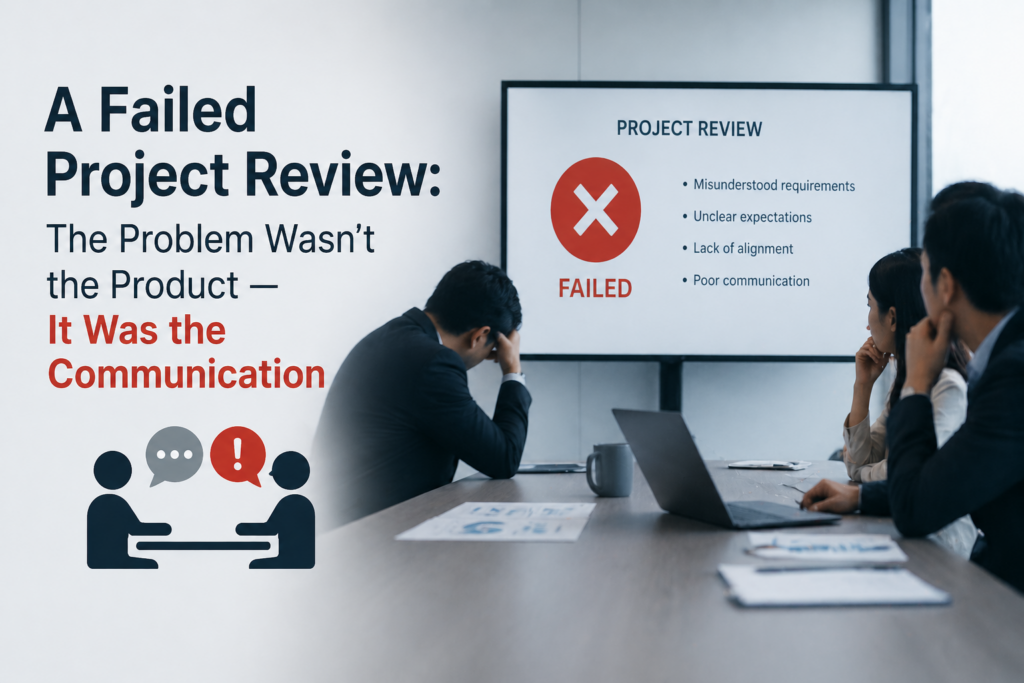
I have seen too many promising projects fall apart, not because of a bad design or faulty components, but because of whispers that never reached the right ears or crucial details lost in translation. Stick with me, and we will uncover how these silent breakdowns occur and what we can do to stop them.
Why Do Good Products Still Fail in B2B Projects?
Did your brilliant product flop in the market? It’s baffling when innovation doesn’t pay off. Often, the hidden cost of poor communication quietly kills great B2B projects. Project Management Institute (PMI) studies indicate that poor communication is a contributing factor in 56% of projects that fail, and almost 60% of project failures are directly attributed to it.
Good products fail in B2B projects because poor communication creates a disconnect between what the supplier builds and what the buyer truly needs. This leads to misaligned expectations, scope creep, and ultimately, project rejection or underperformance. Scope creep, a direct result of misaligned expectations and unclear communication, affects 52% of projects, adding 10-20% to budgets and delaying 70% of projects by an average of 33%. A PwC survey highlights that poor estimates (39%) and mid-project scope changes (41%) are top reasons for project failure, both rooted in communication issues.
When a project goes south, many people first look at the product itself. Was the quality bad? Did it meet specs? But in my experience, the product is often fine. The real issue is that the product built did not match what the client expected or truly needed, all due to communication gaps. I remember one case where we delivered a power bank with exactly the requested battery capacity. The client later complained it was "too bulky" for their target market. The problem was not the battery; it was that the critical size constraint was never clearly communicated or understood early on. This oversight became a huge hidden cost, leading to a product nobody wanted to sell. This kind of breakdown happens in subtle ways.
The Hidden Cost of Misaligned Expectations
Misaligned expectations are silent killers. They arise when buyer and supplier have different ideas about the final product, timeline, or budget. These differences are often not spoken about clearly. Poorly defined project scope is a top cause of scope creep, leading to complications, delays, rework, and underutilization of staff.
| Communication Gap Area | How It Manifests | Project Impact |
|---|---|---|
| Scope Definition | Vague requirements, changing needs | Rework, delays, budget overruns |
| Timeline Management | Unrealistic deadlines, missed milestones | Stress, hurried work, quality issues |
| Quality Standards | Different interpretations of "high quality" | Customer dissatisfaction, returns |
| Reporting & Updates | Infrequent checks, lack of transparency | Surprises, late problem detection |
| Feedback Loop | One-way communication, no clear response plan | Repeated mistakes, frustration |
The lack of a shared vision from the start means resources get wasted. Suppliers build based on incomplete information. Buyers get something that does not quite fit their vision. This creates a cycle of frustration and often ends in a failed launch.
Where Does Communication Break Down Between Buyers and Suppliers?
Have you ever wondered why simple instructions go wrong? The problem often is not a lack of effort, but specific points where communication breaks down. These gaps create major issues.
Communication often breaks down between buyers and suppliers because of unclear requirements, infrequent updates, and assumptions about shared understanding. These gaps create misunderstandings, missed details, and differing expectations about project deliverables and timelines.
I have walked through countless project post-mortems. I always find a pattern. Communication does not crash all at once. Instead, it slowly erodes in small, unnoticed ways. Think of it like tiny cracks in a dam. Each crack alone seems small. But together, they cause a catastrophic failure. This erosion often manifests as instructions clear to the sender but misinterpreted by the receiver, crucial updates lost across various communication tools, and verbally made decisions lacking proper documentation. From the start, unclear specifications can mean different things to different people. As the project moves, a lack of regular updates means small issues become big problems. Remote teams, for instance, often face communication breakdowns due to time zone differences and over-reliance on digital tools, leading to misunderstandings and delayed timelines. Information overload can also overwhelm recipients, further decreasing understanding and creating unnecessary interference. Finally, assuming everyone understands the same thing leads to major surprises at delivery. These are the quiet ways projects go off track.
Common Gaps That Lead to Project Failure
Several key areas consistently show communication weaknesses. Fixing these can save projects.
Initial Requirements: "We need a power bank that looks good."
This sounds simple, right? But "looks good" means something different to everyone. Does it mean sleek? Rugged? Minimalist? Without detailed discussions, examples, and specifications, the supplier will guess. This guesswork can lead to a product that is perfectly made but still wrong for the buyer’s brand. I once had a client say they wanted "premium feel." We thought metal casing. They meant soft-touch plastic. Such small words cause big problems later.
Project Milestones: "We will check in later."
Later is too late. Projects need clear, scheduled check-ins. If feedback is only given at the end, problems become too big to fix easily. Regular, structured meetings, even short ones, keep everyone on the same page. They allow small adjustments instead of huge overhauls. Without them, both sides work in a vacuum.
Technical Language: "Just use standard protocols."
What is "standard" for one company might be different for another. Technical terms need clear definitions. Assumptions about shared technical knowledge can cause significant errors. For example, battery safety standards vary by region. If not clearly stated, a product might meet one standard but fail another, making it unsellable in target markets.
Feedback Channels: "Send an email if you have questions."
Emails are fine, but dedicated feedback loops are better. How quickly will a question be answered? Who is the contact person? Clear channels for feedback and issue resolution stop small issues from growing. Without them, questions get lost, and problems fester.
How to Prevent Miscommunication in Sourcing: 5 Practical Checks Before Production Starts?
Are you tired of project surprises? Miscommunication during sourcing can be a huge headache. But you can avoid it. Learn how to stop it before your product goes into mass production.
To prevent miscommunication in sourcing, conduct five practical checks before production: define specs, clarify samples, agree on quality, finalize packaging, and confirm logistics. These steps ensure both buyer and supplier share a clear and detailed understanding of every project aspect.
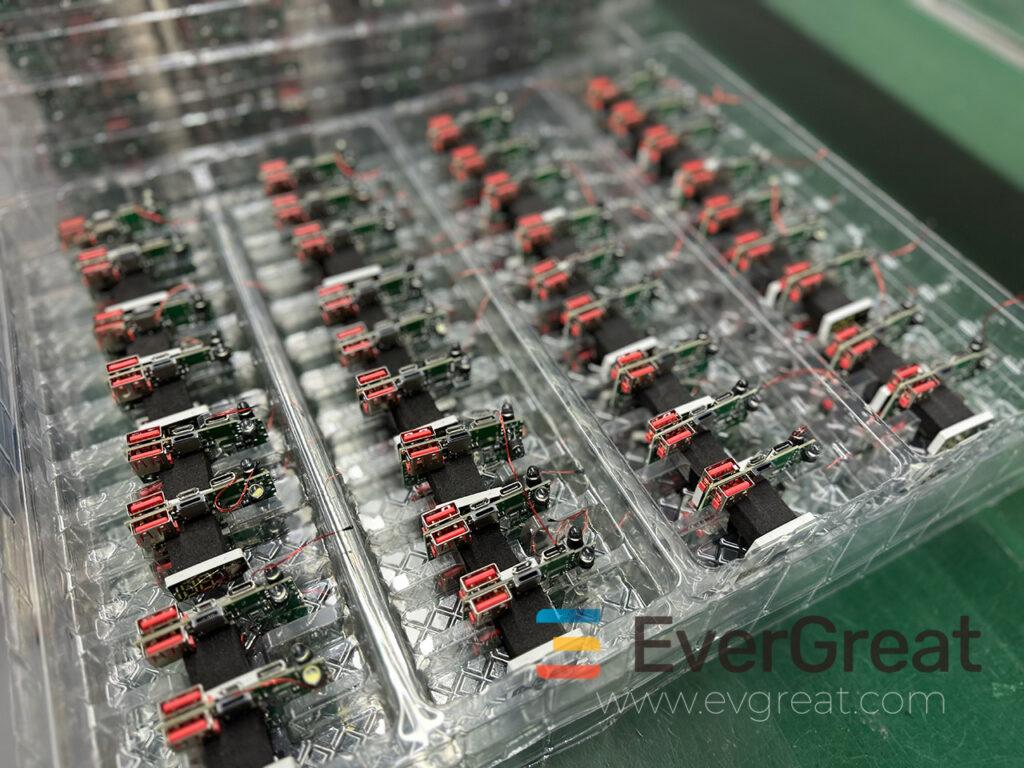
I have learned that prevention is always better than cure. Once a product is in mass production, changing things is expensive and slow. Before that critical stage, we have a window to ensure everything is perfect. My team at EverGreat Technology always advises clients to go through a checklist. This helps us catch potential issues early. It ensures that both our team and the client’s team have the same exact understanding. This stops those quiet failures I mentioned earlier. It builds a strong foundation for successful outcomes. Indeed, projects with clear requirements documented before development are 97% more likely to succeed. This underscores the critical importance of proactive communication strategies.
Practical Checks for Clear Communication
Here are five essential checks I always recommend before any production begins. High-performing organizations are nearly twice as likely to create formal communication plans, recognizing that a well-defined project scope, established upfront through clear requirements, is essential to prevent misunderstandings and build credibility and trust in B2B relationships. Adopting models like "Acknowledge, Clarify, and Confirm" (ACC) can further ensure understanding and uncover the root causes of issues, demonstrating a commitment to addressing specific business problems at each stage of the buyer’s journey.
1. Detailed Product Specifications: "Are we talking about the exact same thing?"
Before production, everyone must agree on every detail. This means more than just basic features. We need exact measurements, material types, color codes, component brands, and performance metrics. If it is a power bank, we confirm not just capacity but also output ports, charging protocols (PD, QC), safety features, and certification requirements. A specification sheet should be signed by both sides. This document becomes the single source of truth. It removes all ambiguity about the physical and functional aspects of the product.
2. Sample Approval with Clear Changes: "Does the sample meet expectations, and what needs to change?"
The sample is a physical representation of the product. It must be reviewed carefully. Any deviations from the initial specs must be noted and agreed upon. If changes are needed, they should be documented clearly, specifying who makes the changes, by when, and how the changes will be verified. I always make sure clients hold the sample, test it, and give specific feedback. We then send a revised sample if needed. This step ensures the final product will match the approved prototype.
3. Quality Standards and Inspection Criteria: "How will we know it is good enough?"
Quality is subjective without clear standards. Before production, define what "quality" means for this specific product. This includes acceptable defect rates, testing procedures, and inspection points. Will there be a third-party inspection? What criteria will they use? Setting these benchmarks means quality checks are objective. This helps avoid disputes later about product acceptability. It ensures both teams know what target they are aiming for.
4. Packaging and Labeling Requirements: "How will the product arrive?"
Packaging is often an afterthought, but it is part of the customer experience. Confirm all packaging details: box design, material, printing, inserts, and labeling. This includes warning labels, barcodes, and any compliance marks (CE, FCC). Providing design files and mock-ups for approval is key. Correct packaging ensures the product reaches its destination safely and presents correctly to the end-user. It also avoids shipping delays due to non-compliant labeling.
5. Logistics and Delivery Terms: "How and when will it get here?"
This covers shipping methods, incoterms, delivery schedules, and documentation. Who is responsible for customs clearance? What is the final delivery date? Confirming these details avoids unexpected costs or delays during shipment. A clear agreement on logistics ensures the product arrives on time and within budget. It prevents last-minute scrambling and gives a clear picture of the supply chain.
Conclusion
Failed projects often point to communication, not the product. By focusing on clear, detailed communication from the start, especially with practical checks, we can prevent quiet failures and build true success.