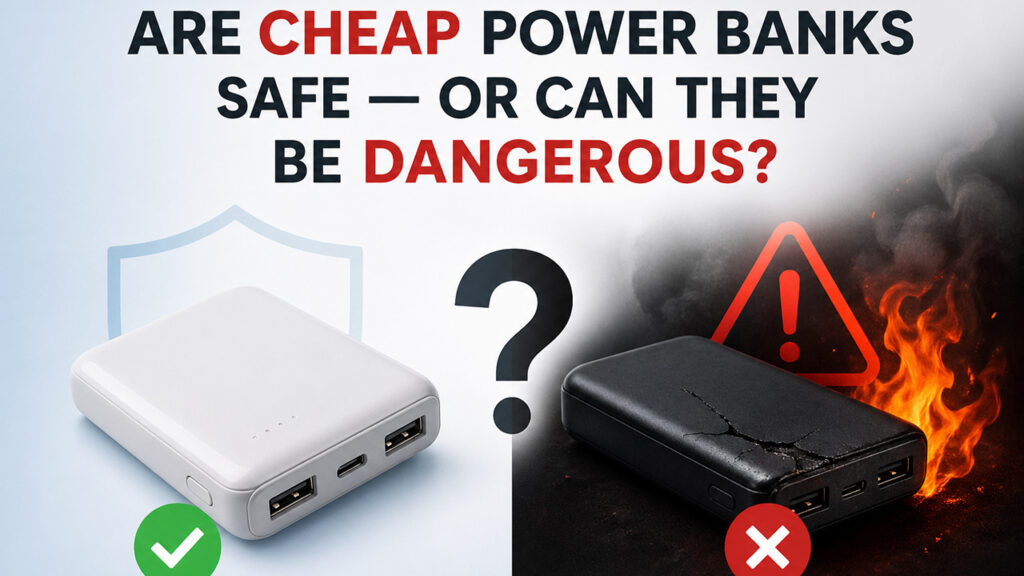
Are you worried about your cheap power bank? Many people use them, but few understand the real risks. I know that saving money can feel good, but it might mean risking your safety.
Cheap power banks can be dangerous because they often use low-quality battery cells and lack essential safety circuits. These issues increase the risk of overheating, fire, or even explosion. I always recommend prioritizing certified and reputable brands for your safety and peace of mind.
I have seen many power banks in my time. I know what good ones look like and what bad ones look like. Stay with me as I explain how power banks work and why some are much safer than others.
Can Power Banks Be Dangerous or Explode?
Do you fear your power bank might explode? The thought is scary, but it is not impossible. I want you to understand the hidden dangers and how they can arise.
Yes, power banks can be dangerous and, in rare cases, explode, especially if they are cheaply made. Recent incidents have seen hundreds of thousands of power banks recalled due to overheating, fire, and explosion risks, some resulting in serious burns and property damage, and even a fatality. This risk comes from poor quality lithium-ion cells and missing safety protection circuits. These flaws can lead to thermal runaway and serious incidents.
I understand that a power bank’s safety relies on two key things: the quality of its battery cells and its protection circuits. These are the parts that keep everything running smoothly and safely. When these parts are low quality, problems can start. For instance, cheap battery cells may have internal problems. These problems make the battery heat up too much. This can lead to a dangerous chain reaction called thermal runaway. It means the battery gets hotter and hotter, very quickly. It can lead to fire or even an explosion. Globally, lithium-ion batteries are prone to thermal runaway, an uncontrolled overheating process that can lead to fire or explosion, even from manufacturing defects. For example, between 2020 and 2024, Japan reported 1,860 product-related incidents involving lithium-ion batteries, with approximately 85% resulting in fires, and power banks were the most frequent product category involved. Also, good power banks have special circuits. These circuits act like guards. They stop the power bank from overcharging, over-discharging, or short-circuiting. They also prevent too much current or heat. If these circuits are missing or do not work well, a small fault can become very serious. It is like driving a car without brakes. I know that a power bank with strong, reliable parts will work safely. One with weak parts puts you at risk.
Poor Quality Lithium-Ion Battery Cells
Lithium-ion batteries store a lot of energy. This is good for charging devices fast. But if these batteries are not made well, they can be risky. Cheap power banks often use cells with problems. These problems include:
- Higher Internal Resistance: This means the battery fights the flow of electricity. This fight makes heat. Too much heat causes problems. Inferior cells often have higher internal resistance, leading to increased heat generation during operation and accelerating degradation.
- Impurities or Defects: Small bits of dirt or mistakes during making can cause internal short circuits. A short circuit is when electricity takes a wrong path. This creates a lot of heat very fast. Manufacturing flaws like poor seals or contaminants within lithium-ion cells also heighten the risk of failure and thermal runaway.
- Used or Recycled Cells: Some cheap power banks use old batteries. These batteries have unknown histories. Their safety is not guaranteed.
When any of these issues happen, the cell can start to overheat. This is the first step toward thermal runaway. Cheap power banks frequently use low-grade lithium-ion batteries that are not designed for effective heat management. These inferior cells can quickly degrade, leading to swelling, leakage, bursting, or complete failure of the power bank.
Missing or Weak Protection Circuits
The PCBA (Printed Circuit Board Assembly) is the brain of the power bank. It has circuits that protect the battery. This protection circuit continuously monitors voltage, current, and temperature, acting as a crucial safety gate to cut power when unsafe thresholds are met. Good PCBAs have many safety features. Bad PCBAs might miss them. Modern, safe power banks typically incorporate multiple layers of protection, including safeguards against overcurrent, overvoltage, undervoltage, short circuits, over-temperature, under-temperature, and overcharge. Here are key protections that can be missing:
| Protection Type | What It Does | Why It Matters |
|---|---|---|
| Over-Charge | Stops charging when the battery is full. | Prevents battery damage and overheating. This is critical for preventing the battery from being charged beyond its safe voltage limit (typically 4.2 volts per lithium-ion cell), which can cause damage, capacity loss, and thermal runaway. |
| Over-Discharge | Stops power when the battery is too low. | Prevents battery from dying completely, which damages it. |
| Short-Circuit | Cuts power if wires touch wrongly. | Prevents huge spikes of current and heat. This is essential for detecting and stopping dangerous current surges, thereby protecting both the power bank and connected devices. |
| Over-Current | Limits how much power goes out. | Stops devices from getting too much power and breaking. |
| Over-Temperature | Turns off if the power bank gets too hot. | Prevents thermal runaway and fire. |
I know that without these guards, the power bank has no way to stop problems. A small spark can become a big fire very quickly. Without robust protection circuits, minor faults can rapidly escalate into severe safety incidents.
Why Are Some Cheap Power Banks More Risky?
Thinking about buying a cheap power bank? The low price looks good. But do you know what you really pay for? Let’s check the true cost.
Cheap power banks are riskier because manufacturers cut costs on vital components. They use low-grade battery cells and often skip crucial safety circuits. This makes them prone to defects, overheating, and failure, unlike higher-quality options.
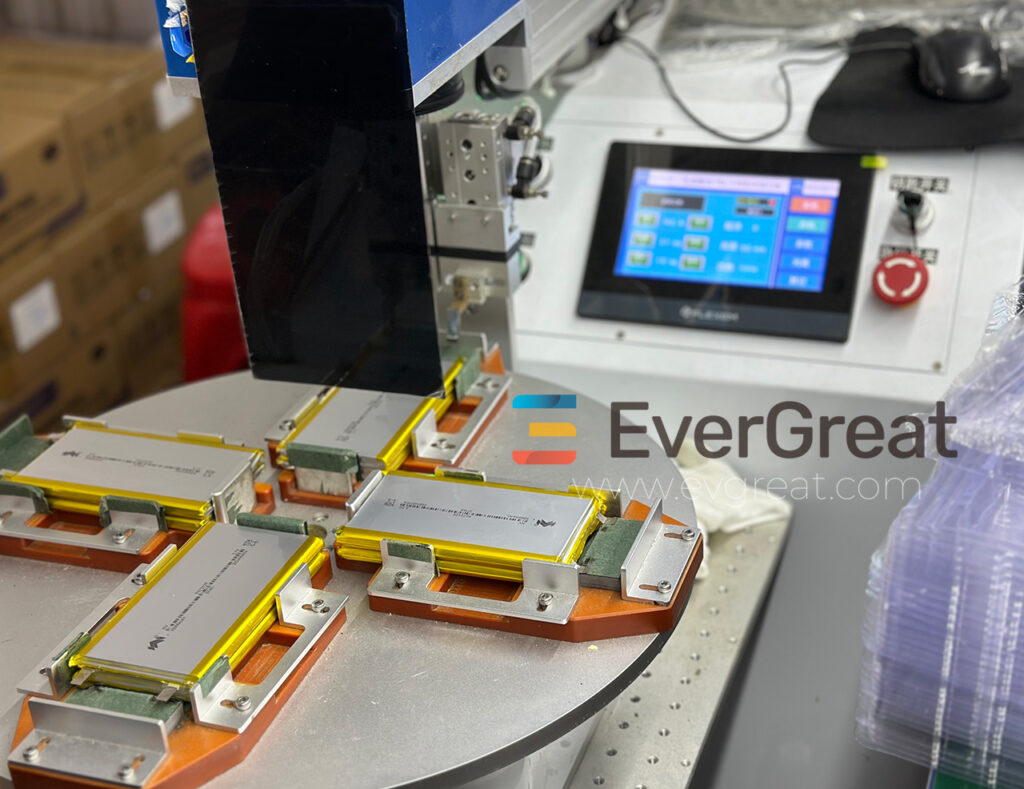
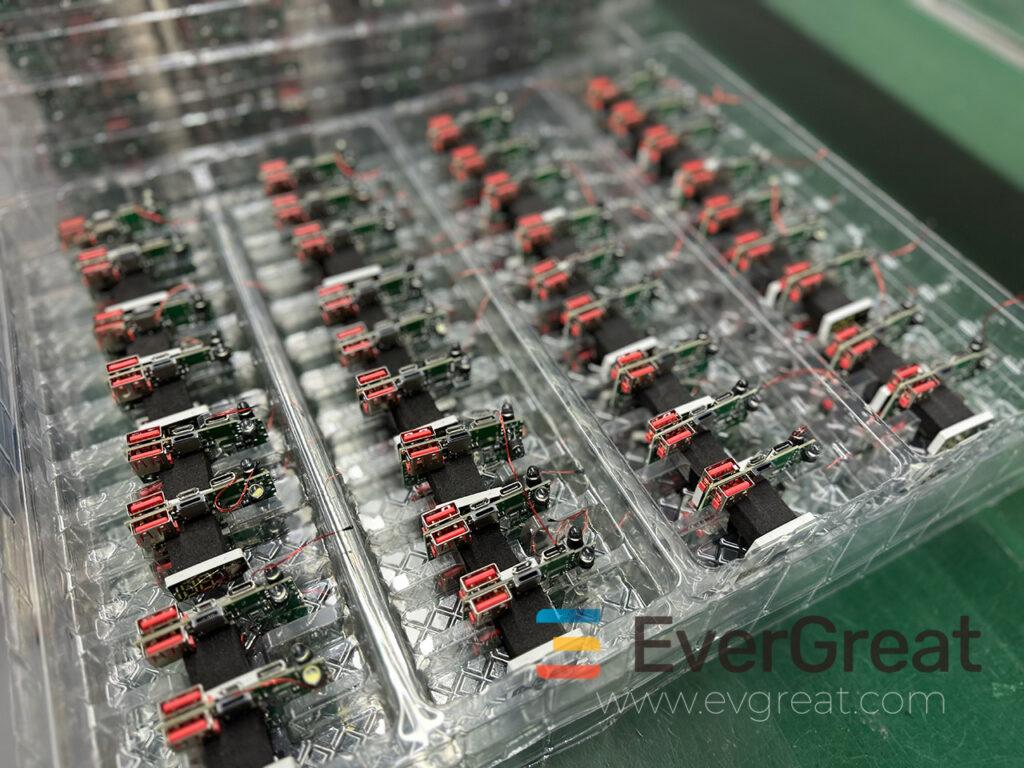
I have seen that the main reason some power banks are cheap is because of how they are made. Manufacturers want to save money. They cut corners in places you cannot see from the outside. They often compromise safety by using inferior materials, skipping thorough safety testing, and failing to meet the manufacturing standards of reputable brands. The two most important parts are the battery cells and the control board. If they use poor quality cells, the power bank might not hold a charge well. Worse, it could be unsafe. These cells may come from unknown factories. They might not pass strict tests. They might even be recycled from old devices. This means their true condition is hidden. Also, the control board, or PCBA, is crucial. It contains all the safety circuits. A cheap PCBA might leave out important protection features. It might use low-quality parts that fail easily. For example, a cheap board might not stop overcharging. This can damage the battery. It might not stop overheating. This can cause a fire. When I look at a cheap power bank, I know that these hidden choices make it much riskier. The savings on the price tag are often a trade-off for safety and reliability. More stringent safety standards, such as new national regulations being introduced, are projected to increase manufacturing costs by approximately 30% due to requirements for higher-safety battery cell technologies and enhanced production processes, underscoring the real cost of quality. I have learned that a good power bank costs a little more for a reason.
Cost-Cutting in Battery Cells
Manufacturers often reduce costs by using:
- Substandard Cells: These cells do not meet quality standards. They might have lower capacity than advertised. They also have higher failure rates. They are often low-grade lithium-ion batteries not designed for effective heat management.
- Generic or Unbranded Cells: Reputable brands like Samsung or LG make high-quality cells. Cheap power banks use cells from unknown makers. These cells have no quality guarantee.
- Salvaged or Used Cells: Some very cheap power banks use batteries taken from old laptops or other devices. These cells are old and worn out. Their safety is very poor.
Cost-Cutting in PCBA and Protection Circuits
The PCBA is where the safety lives. When makers save money here, they do things like:
- Omitting Key Protections: They simply do not include some safety circuits. This leaves the power bank without important guards. The PCB design in cheaper models may lack advanced protections like overvoltage, overheating, and reverse current protection, simplifying the circuitry at the expense of safety.
- Using Low-Quality Components: The chips and parts on the PCBA might be cheap and unreliable. They might fail when they are needed most.
- Simplified Design: The circuit design itself might be too simple. It does not offer full protection.
I have come to understand that these choices greatly increase the chance of problems. The power bank might not just stop working. It might become a real danger.
| Cost-Cutting Area | Impact on Safety |
|---|---|
| Battery Cells | Higher risk of internal shorts, overheating, thermal runaway. |
| PCBA/Circuits | No protection against overcharge, short-circuit, over-heat. |
| Casing Materials | Less durable, cannot contain potential thermal events well. |
| Testing/QA | Faulty units reach customers, increasing risk. |
I know that cutting costs in these areas means a power bank is not just cheap. It is often dangerous.
How Can You Tell if a Power Bank Is Safe and Reliable?
Want to feel safe using your power bank? It is possible to choose wisely. Learn how to spot a good power bank from a bad one.
You can tell if a power bank is safe by checking for reputable brands, clear safety certifications (like CE, FCC, RoHS), and robust build quality. Look for detailed product specifications, warranty information, and avoid suspiciously low prices from unknown sellers.
I believe that choosing a safe power bank is very important. It protects you and your devices. When I look for a power bank, I always check for a few key things. First, always pick a reputable brand. Brands like Anker, RAVPower, or other well-known names invest in quality and safety. They have a reputation to protect. They use better cells and circuits. Next, look for clear safety certifications. These are symbols on the product or packaging. I look for CE, FCC, RoHS, and sometimes UL. These marks mean the product has been tested and meets safety rules. If a power bank does not have these, or they look fake, I avoid it. The build quality also matters. A safe power bank feels solid. It has good connections and a sturdy case. Cheap power banks often feel light or flimsy. Their ports might wiggle. This can be a sign of poor quality inside. I also check the product details. A good power bank lists its real capacity, input, and output numbers. If these are missing or seem too good to be true, I am careful. Always check for a warranty. A company that stands by its product gives a warranty. Finally, beware of very low prices from unknown sellers. A price that is too good often means hidden compromises on safety. Trust your gut. If it seems too cheap, it probably is.
Check for Reputable Brands
- Established Companies: Brands that have been around for a while often have better quality control. They want to keep their customers happy and safe. Prioritize power banks from established brands and authorized retailers.
- Customer Reviews: Look at what other people say. Many bad reviews about safety or failure are a red flag. I always read reviews carefully and examine them for any recurring complaints about safety or product failures.
Look for Safety Certifications
Certifications are like badges of honor for safety. They show a product has passed certain tests. Always check for globally recognized safety certifications such as UL, CE, FCC, and RoHS.
- CE: Stands for "Conformité Européenne." It means the product meets European safety, health, and environmental standards. This mandatory marking for products sold in the European Economic Area (EEA) confirms compliance with EU health, safety, and environmental protection requirements, including electrical safety (Low Voltage Directive), electromagnetic compatibility (EMC), and, if applicable, radio equipment regulations (Radio Equipment Directive).
- FCC: From the Federal Communications Commission in the USA. It means the device’s electromagnetic interference is under control. Required for products in the U.S. market, it ensures electromagnetic interference is within acceptable limits.
- RoHS: Means "Restriction of Hazardous Substances." It limits harmful chemicals in electronics. An EU directive that restricts the use of harmful chemicals (e.g., lead, mercury, cadmium) in electronic equipment, promoting safer products and reducing hazardous waste.
- UL: Underwriters Laboratories. This is a very respected safety certification in the USA. UL certification is a strong sign of safety. The UL 2056 standard is specifically designed for power banks, covering requirements for overcharge/discharge protection, thermal protection, drop resistance, and flame-retardant casing materials. You can verify authenticity through the official UL Product iQ database.
| Certification | Region/Purpose |
|---|---|
| CE | Europe, general safety |
| FCC | USA, electronic interference control |
| RoHS | Global, hazardous substance restriction |
| UL | USA, rigorous safety testing |
Other important regional certifications include 3C (China Compulsory Certification) and IEC/IECEE CB Scheme.
Inspect Build Quality and Specifications
- Solid Casing: A good power bank has a strong case. It should not creak or feel hollow. This helps protect the inside parts. A durable casing is crucial for containing potential thermal events.
- Ports and Cables: The charging ports should feel firm. They should not wobble. Good cables also play a role in safe charging.
- Detailed Specs: A reliable product will clearly list its capacity (mAh), input/output voltages, and currents. I check if these numbers make sense. If a small, light power bank claims a huge capacity, I am suspicious. This often means fake battery cells. Be cautious of suspiciously high capacity claims (e.g., a small, lightweight power bank advertising 50,000 mAh or 100,000 mAh), as higher capacity inherently requires more battery cells and thus more weight. Signs of poor build quality can also include exposed circuits, wobbly ports, or weak soldering.
- Weight: Quality battery cells have a certain weight. If a power bank feels too light for its claimed capacity, it might have fewer or lower-quality cells inside.
- Emerging Technologies: Newer battery designs, such as semi-solid-state and quasi-solid-state batteries, are being developed and marketed as safer alternatives for power banks, as they reduce the amount of flammable liquid electrolyte.
Warranty and Seller Information
- Warranty: A good warranty shows that the maker trusts their product. If something goes wrong, they will help. A robust warranty from the manufacturer demonstrates confidence in product quality and reliability.
- Reliable Seller: Buy from trusted stores or official websites. This reduces the risk of getting fake or unsafe products. I avoid sellers with very little information or who seem too new.
I always remember these steps. They help me choose a power bank that is not only useful but also safe to use. Here are some general safety guidelines and best practices to follow:
- Proper Disposal: Recalled or damaged lithium-ion batteries and devices should never be discarded in regular household trash or recycling bins due to fire risks. Always contact local municipal household hazardous waste collection centers for specific disposal instructions.
- Usage Habits:
- Avoid using a power bank to charge another device simultaneously while the power bank itself is being charged, unless the manufacturer explicitly states it supports "pass-through charging." This can lead to overheating.
- Store power banks in cool, dry environments, away from direct sunlight, heat sources, and flammable materials.
- Do not expose power banks to extreme temperatures (e.g., above 35°C/95°F or below 0°C/32°F) or high humidity, as these conditions can accelerate battery degradation and increase malfunction risks.
- Prevent contact between power bank ports and metal objects like keys or coins, as this can cause short circuits.
- Always use the original or manufacturer-recommended cables and adapters to avoid short circuits and other electrical hazards.
- Unplug the power bank once it is fully charged to prevent overcharging.
- Immediately stop using a power bank if you observe warning signs such as excessive heat (beyond mild warmth), visible swelling or deformation, unusual odors, leaking, or smoking.
- If a power bank overheats, promptly disconnect all devices, move it to a non-flammable, well-ventilated surface (e.g., a ceramic plate or metal tray), and allow it to cool naturally. Do not attempt to force-cool it.
- Air Travel Regulations: Spare (uninstalled) lithium-ion batteries, including power banks, are generally restricted to carry-on baggage only on airplanes. If a carry-on bag is gate-checked, these items must be removed and kept with the passenger in the cabin. Battery terminals must be protected from short circuits. Some airlines may have additional restrictions on the number of power banks or their in-flight use.
Conclusion
Choosing a safe power bank protects you and your devices. I learned that quality matters most for power banks. Do not choose cheap options that risk your safety.