Are you worried about falling behind new battery safety rules? These new standards are not just technical; they are now market entry tickets for your products. China’s new mandatory national standard for power bank safety (GB 47372—2026), effective April 1, 2027, introduces rigorous requirements that manufacturers must meet to sell products in the Chinese market. Similarly, UL 2056 is a de facto mandatory standard for power banks in North America, with major retailers and e-commerce platforms requiring compliance for listings, and the EU Batteries Regulation also mandates compliance for market access in Europe.
Factories must update designs, adopt advanced testing, and implement stricter quality control. This ensures compliance with global regulations, securing market access and customer trust.

I have seen many changes in the power bank industry over the years. What I know for sure is that battery safety is no longer just a technical requirement. It is quickly becoming a market access requirement. This means if your products do not meet new safety rules, you cannot sell them in certain places. This shift impacts every part of manufacturing, from design to delivery. We need to understand why these rules are changing, what new demands are coming, and how we can adapt.
Why Are Global Battery Regulations Becoming Stricter?
Seeing global battery rules get tougher feels overwhelming, right? But these changes protect everyone and ensure safer products for consumers.
Global battery regulations are stricter due to past safety incidents, increased device usage, and environmental concerns. These new rules aim to prevent hazards and build consumer confidence.
I believe the reasons for stricter battery regulations are clear. First, we have seen too many safety issues. Batteries sometimes overheat, catch fire, or even explode. These incidents can cause harm and damage property. When this happens, consumers lose trust. They demand safer products. My team and I have worked hard to ensure our power banks meet the highest standards. We know how much safety matters.
Past Incidents Drive Change
There have been many widely reported battery failures. These failures often involve consumer electronics. For instance, the U.S. Consumer Product Safety Commission (CPSC) reported over 25,000 thermal runaway incidents in consumer lithium-ion batteries in 2023 alone. Since 2012, the CPSC has documented over 25,000 incidents involving Li-ion battery-operated products, leading to more than 70 product recalls. Over a five-year period ending in 2022, at least 25,000 reported incidents of lithium-ion batteries overheating or catching fire resulted in approximately 141 injuries and 13 fatalities. When a product causes harm, governments act. They make new laws to prevent it from happening again. These incidents show that old rules were not enough. Specific causes include overcharging (35% of 12,500 incidents in consumer electronics in 2022), manufacturing defects (28% of 8,900 EV battery thermal runaways in 2023), and physical damage from punctures (42% of 4,500 e-bike battery fires). We need stronger safety measures. This protects both users and brands.
More Devices Mean More Risk
Everyone uses battery-powered devices today. Phones, laptops, and power banks are everywhere. This means more batteries are in use than ever before. Global demand for lithium-ion batteries is projected to increase sevenfold by 2030. With more batteries, the chance of an incident also goes up. Regulators want to lower this risk. They update rules to match how much we use these devices.
Environmental Impact Matters
Beyond safety, there are also environmental concerns. This includes how batteries are made and how they are disposed of. Battery production involves resource-intensive mining of materials like lithium, cobalt, and nickel, which can lead to habitat destruction, water pollution, and greenhouse gas emissions. Improper disposal of used batteries can cause toxic chemicals to leach into soil and water, and contribute to landfill fires that release harmful fumes. New rules sometimes cover eco-friendly materials and proper recycling. For example, the EU Battery Regulation (2023) mandates ambitious recycling targets and transparency standards, requiring specific recovery percentages for lithium, cobalt, nickel, and copper by 2027 and 2031. It also requires EV battery manufacturers to audit mineral sourcing from 2025 to avoid conflict minerals and environmental harm. This helps to reduce harm to the planet. We all have a role to play in being responsible manufacturers.
| Factor | Impact on Regulations |
|---|---|
| Safety Incidents | Leads to stricter testing and design requirements. |
| Increased Usage | Expands scope of regulations to more product types. |
| Consumer Demand | Pushes for clearer labels and higher quality standards. |
| Environmental Concerns | Introduces rules on materials and disposal. |
These factors combine to create a push for higher safety. This ensures products are safe and sustainable for everyone. We must keep up with these changes.
What New Compliance Requirements Will Power Bank Manufacturers Face in 2026–2027?
Wondering what specific rules are coming for power banks? Future compliance demands new testing and material standards.
Power bank manufacturers will face stricter material sourcing, enhanced thermal management tests, and more detailed documentation. This ensures product reliability and consumer safety.
I have been tracking upcoming changes very closely. For power bank manufacturers, the next few years will bring important updates. We expect to see more specific rules about how batteries are made and tested. These changes will impact everything from the components we choose to the final product inspection. It is vital to prepare now. My personal experience with previous certifications taught me that early preparation saves a lot of trouble.
Stricter Component Sourcing
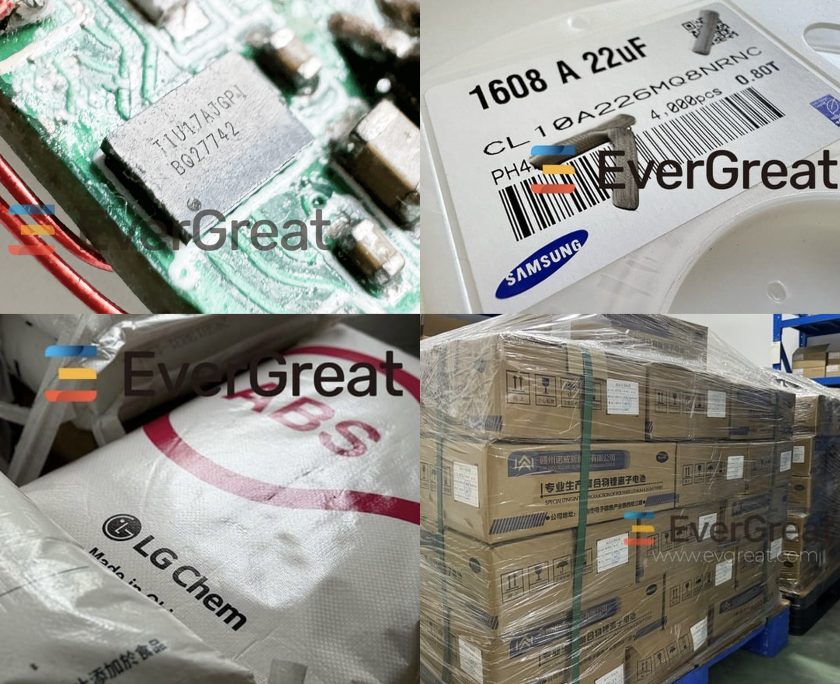
New rules will demand better control over where raw materials come from. This includes the battery cells themselves. Manufacturers must show that their components are high quality. They must also prove they are ethically sourced. The EU Batteries Regulation, with a due diligence deadline pushed to August 2027, requires manufacturers to implement control systems verifying the origin of critical raw materials (Cobalt, Lithium, Nickel, Natural Graphite) to ensure ethical sourcing and prevent use from conflict zones. This means having clear supply chain records. We must know who our suppliers are and what their standards are.
Advanced Thermal Management Testing
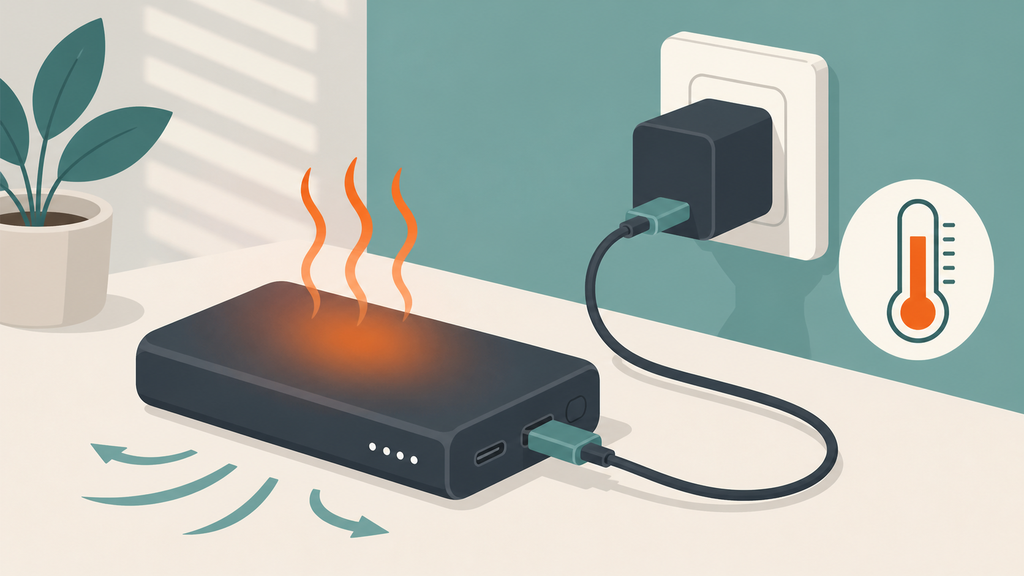
Overheating is a big concern for power banks. New tests will focus on how well a power bank handles heat. China’s new standard includes stricter thermal abuse testing with higher temperatures and longer durations. Upcoming standards in 2025 will require mandatory thermal runaway prevention systems with active monitoring at the individual cell level to detect temperature anomalies and isolate problematic cells within milliseconds. The updated ANSI/CAN/UL 2056 standard (published October 2024, revised February 2025) now includes tests such as a 55℃ output port short circuit test, abnormal charge test, forced discharge test, and Battery Management System (BMS) verification. This means more rigorous tests for charging, discharging, and even short-circuit conditions. Power banks will need better internal designs to manage heat effectively. This might include new cooling materials or improved circuit layouts.
Enhanced Durability and Impact Tests
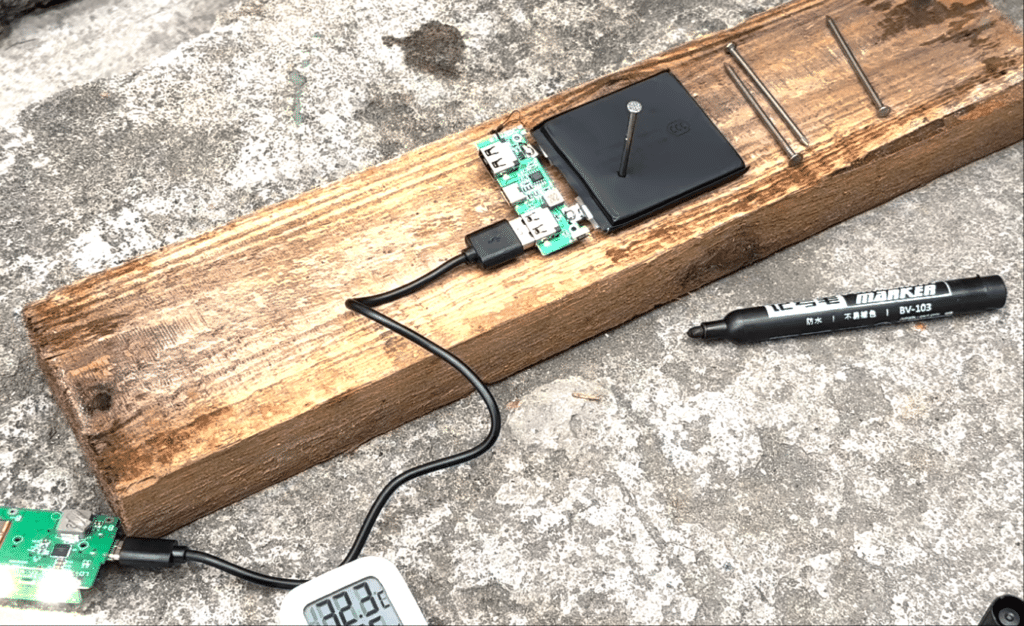
Power banks are often carried around. They can get dropped or bumped. New rules will likely include tougher tests for physical durability. For instance, China’s new power bank standard mandates drop tests, compression tests, and a needle-puncture test for battery cells, requiring them to withstand piercing without fire or explosion. This simulates real-world damage from sharp objects. UL 2056 testing also includes mechanical damage assessment. This ensures the device stays safe even after minor impacts. My team has always focused on robust designs. This focus will be even more important now.
Detailed Documentation and Traceability
Manufacturers will need to keep more detailed records. This includes design specifications, test results, and production data. China’s new standard (effective April 2027) mandates unique identification codes for power banks, allowing consumers to trace battery information. Furthermore, from March 1, 2026, newly CCC-certified power banks in China must feature a traceability QR code that links to verified certification data (manufacturer, model, certificate status); this becomes mandatory for all certified products by March 1, 2027. The EU Batteries Regulation will also require a "digital battery passport" by 2026 to track lifecycle data, material origin, carbon footprint, and battery health, with a QR code providing access to this data mandatory by February 18, 2027. Every power bank might need a unique ID for traceability. This helps track products back to their origin if there is a safety issue. Clear documentation is key for audits and market access.
Software Integrity
While not explicitly detailed as a regulation for power banks, the increasing sophistication of Battery Management Systems (BMS) through AI and predictive analytics (e.g., detecting anomalies, predicting aging) highlights the growing importance of secure and robust firmware for safety and data management.
| Requirement Area | Key Changes Expected | Impact for Manufacturers |
|---|---|---|
| Material Sourcing | Ethical sourcing, proof of quality. | Need stronger supplier relationships, traceability systems. |
| Thermal Management | More stringent heat dissipation tests. | Requires advanced design, potentially new materials. |
| Durability Testing | Tougher drop and impact tests. | Focus on robust casings and internal structures. |
| Documentation | Detailed records, product traceability. | Investment in data management and quality assurance processes. |
| Software Integrity | Secure firmware, protection against exploits. | Requires software development expertise, regular updates. |
These requirements will make products safer. They will also demand more from manufacturers. Being ready means staying competitive. We at EverGreat are already putting these systems in place.
How Are Factories Adapting to Higher Battery Safety Standards?
Is your factory ready for the next wave of battery safety rules? Adapting now means staying ahead and securing your market.
Factories are adapting by investing in R&D for safer battery chemistries, upgrading testing equipment, and integrating AI-powered quality control. They also train staff on new protocols.
I have seen factories make big changes to meet these new standards. It is not just about making a small adjustment here or there. It is about a complete shift in how we approach production. Many of our partners have already begun this transformation. We at EverGreat always prioritize continuous improvement in our own processes. I believe this proactive approach is essential for long-term success.
Investing in Research and Development
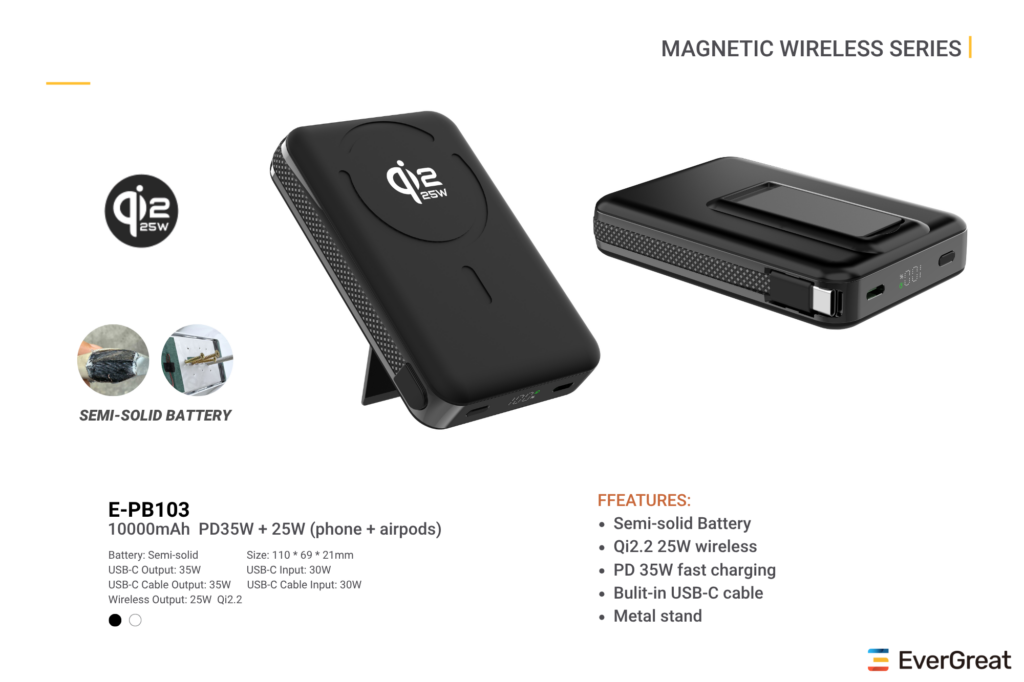
Factories are putting more money into R&D. This includes exploring new battery chemistries that are inherently safer. For example, solid-state batteries are gaining interest because they reduce fire risk with non-flammable solid electrolytes, which significantly reduce the risk of thermal runaway and offer higher energy density. While already used in small electronics, widespread adoption in EVs is still 3-5 years away. Better Battery Management Systems (BMS) are also a key area. Advanced Battery Management Systems (BMS) are crucial for preventing hazards like overcharging, over-discharging, and overheating, and for balancing cells. AI-driven BMS can learn from real-time data to predict failures and optimize control strategies, further enhancing safety. A smart BMS can prevent overcharging, over-discharging, and overheating. This is critical for power bank safety.
Upgrading Testing Facilities
New safety standards mean new testing methods. Factories are buying advanced testing equipment. This includes thermal chambers, vibration testers, and crush test machines. New regulations necessitate advanced testing equipment and methods, including abuse testing that simulates real-world failure conditions and exceeds previous requirements. Examples include the needle-puncture test and stricter thermal abuse tests in China. They also use X-ray machines to check internal components without damaging the product. This ensures every batch meets the highest safety marks. My team regularly audits our testing facilities to ensure they are cutting edge.
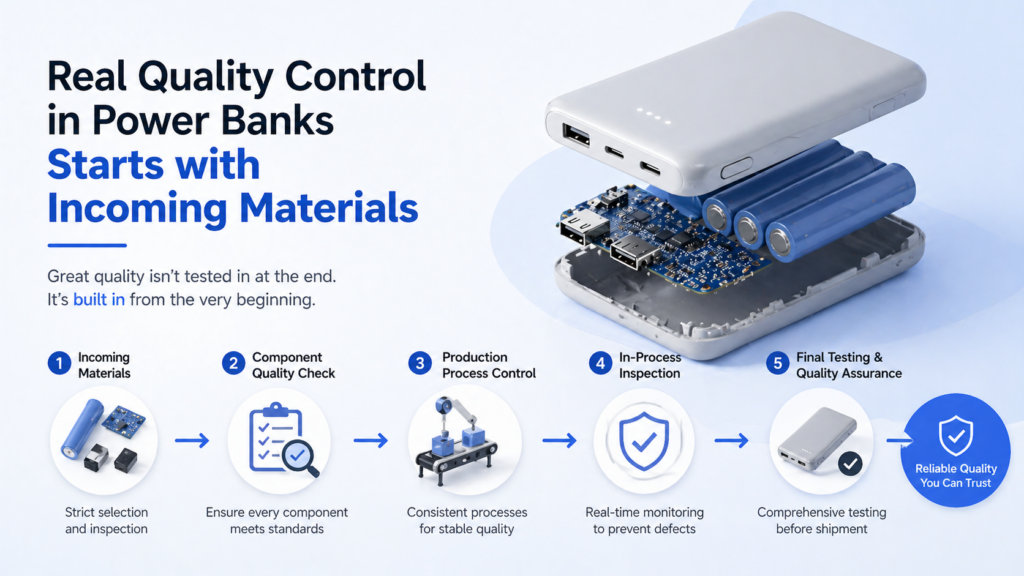
Implementing Advanced Quality Control
Automation and AI are changing quality control. Factories use automated inspection systems to check for defects that human eyes might miss. AI-enabled systems monitoring production parameters in real-time and using computer vision to detect microscopic defects, reducing defect rates by 30-50%. AI can analyze vast amounts of data to predict potential issues before they become problems. This proactive approach helps maintain consistent quality and reduces recalls. AI also enhances product traceability by tagging data from each unit, allowing identification of defect origins. Predictive maintenance, powered by AI, analyzes sensor data to anticipate equipment failures, potentially reducing unplanned downtime by 20-30%. We use similar methods to keep our defect rates low.
Training and Education
Technology is only part of the solution. People are also very important. Factories are investing in training their staff. Comprehensive safety training for employees who work with lithium-ion batteries is essential, covering safe handling, storage, transportation, disposal, and emergency response procedures to comply with regulations like OSHA. Workers need to understand the new safety protocols. They need to know how to use new equipment. They also need to be aware of the importance of quality at every step. A well-trained workforce is crucial for meeting strict standards.
Supply Chain Integration
The increasing focus on ethical sourcing and traceability, particularly seen in the EU Batteries Regulation, necessitates deeper collaboration with and scrutiny of certified component suppliers.
| Adaptation Strategy | Key Actions Taken | Benefits for Manufacturers |
|---|---|---|
| R&D Investment | Exploring new chemistries, better BMS. | Enhanced product safety, innovation, competitive edge. |
| Testing Upgrades | Acquiring advanced equipment (thermal, impact). | Accurate compliance verification, reduced recall risk. |
| Advanced QC | Automated inspection, AI-driven defect detection. | Consistent quality, increased efficiency, proactive issue resolution. |
| Staff Training | Education on new protocols, equipment use. | Skilled workforce, reduced human error, higher compliance rates. |
| Supply Chain Integration | Deeper collaboration with certified component suppliers. | Reliable sourcing, better material quality control. |
These adaptations show a strong commitment to safety. They are necessary steps for factories to thrive in a stricter regulatory environment. We are here to help our partners through this journey.
Conclusion
New battery safety standards are not just rules; they are market entry tickets. Factories must update designs, test better, and control quality more strictly. This ensures products are safe and accepted globally.