Are you struggling with inconsistent suppliers? Many buyers face this issue. I believe true stability comes from a supplier’s ability to control problems before they affect you.
A stable supplier consistently demonstrates reliability by transparently managing issues, not by having zero problems. They have strong processes to control challenges before these affect your business. This is crucial for long-term trust, and includes a clear commitment to quality, honest communication, consistency, and responsiveness.
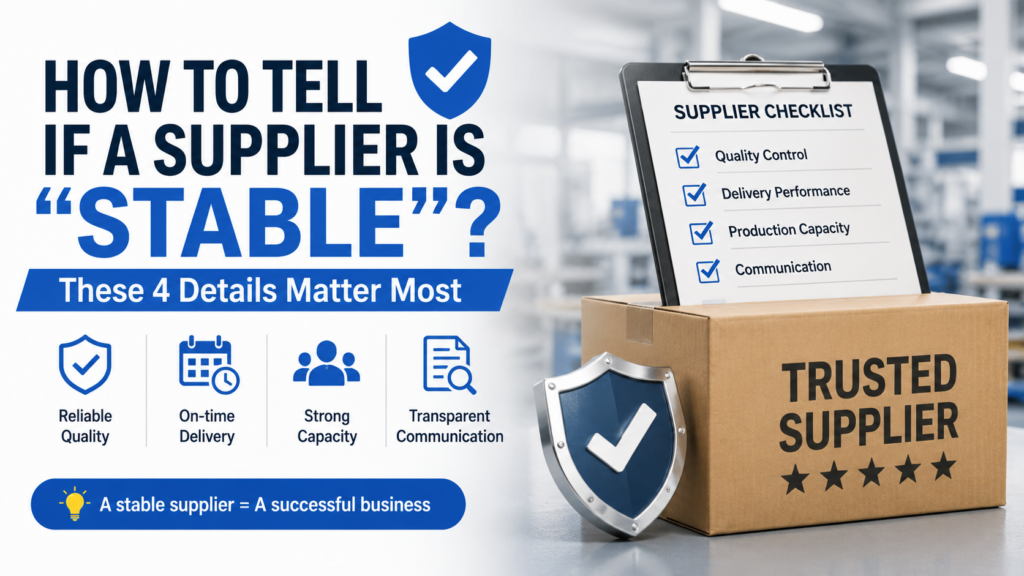
Knowing how to spot a truly stable supplier can save you many headaches. We often look at surface-level promises, but I have learned the real signs are much deeper. Let me share what I found to be the most important factors that really show a supplier’s stability.
Why Do Some Suppliers Suddenly Delay Deliveries After the First Few Orders?
Are your shipments arriving late after initial success? This problem frustrates many. I often see how quickly good start-up performance can turn into delivery delays.
Suppliers often delay deliveries after initial orders because their internal processes cannot handle increased volume or unexpected issues. They lack the systems to scale production or recover quickly from supply chain disruptions. This shows a core instability.
In my experience, a supplier’s ability to deliver on time, every time, is a huge sign of stability. When early orders go smoothly, it is easy to think everything is fine. However, problems often start once the order volume increases or unexpected things happen. We have seen this with many partners who come to us after bad experiences. A common reason for delays is a weak supply chain. If a supplier uses many different sub-suppliers for parts without good oversight, issues can easily spread. For instance, a small delay from one component supplier can stop a whole production line. Capacity problems are frequently cited, often stemming from underestimation of demand, lack of personnel, or insufficient machinery. Another problem is poor production planning. Some factories overpromise to get orders, then struggle to keep up. Poor production planning can further arise from incorrect production plans, high defect rates leading to rework, or unstable material sourcing. They might not have enough workers or machines for larger tasks. External supply chain disruptions, such as logistics bottlenecks (e.g., congested ports), raw material shortages, or customs clearance issues, are also significant contributors to delays. A lack of crisis management or resilience planning exacerbates the impact of unexpected events. Communication breakdowns are also a common cause, leading to misunderstandings, unclear requirements, and difficulties in anticipating problems or adjusting schedules. Even inconsistent supplier quality can directly lead to delays if materials don’t meet specifications, requiring rejections or rework.
What Makes Deliveries Unstable?
- Weak Supply Chain Management: Lack of control over component suppliers.
- Poor Production Planning: Inaccurate scheduling and resource allocation.
- Inadequate Capacity: Not enough machines or staff for higher volumes.
- Lack of Crisis Management: No plans for dealing with unexpected disruptions.
| Factor | Stable Supplier Characteristics | Unstable Supplier Characteristics |
|---|---|---|
| Supply Chain | Deep partnerships, clear backups, transparent sourcing | Many unknown sub-suppliers, single source for key parts |
| Production Capacity | Modern equipment, flexible lines, skilled workforce | Older machines, rigid lines, limited staff growth |
| Communication | Proactive updates, early warnings, real-time tracking | Late notices, vague reasons, reactive responses |
| Risk Mitigation | Has plans for material shortages, logistics issues, quality problems | No backup plans, relies on last-minute fixes, blames others |
We at EverGreat manage this by having a "First-Class Supply Chain." This means we only pick top global component suppliers. We also have an "Optimized Production Process." This makes sure every step, from design to mass production, is precise and fast. We plan carefully. This helps us avoid those sudden delays other suppliers sometimes have.
How to Verify Whether a Factory Really Has Strong Quality Control?
Do you worry about product defects showing up later? Many buyers find it hard to trust quality claims. I always say real quality control goes deeper than just a final inspection.
To truly verify a factory’s quality control, look beyond simple inspections. A stable factory integrates quality checks at every production stage, uses continuous improvement, and welcomes independent audits. They prioritize prevention, not just detection.
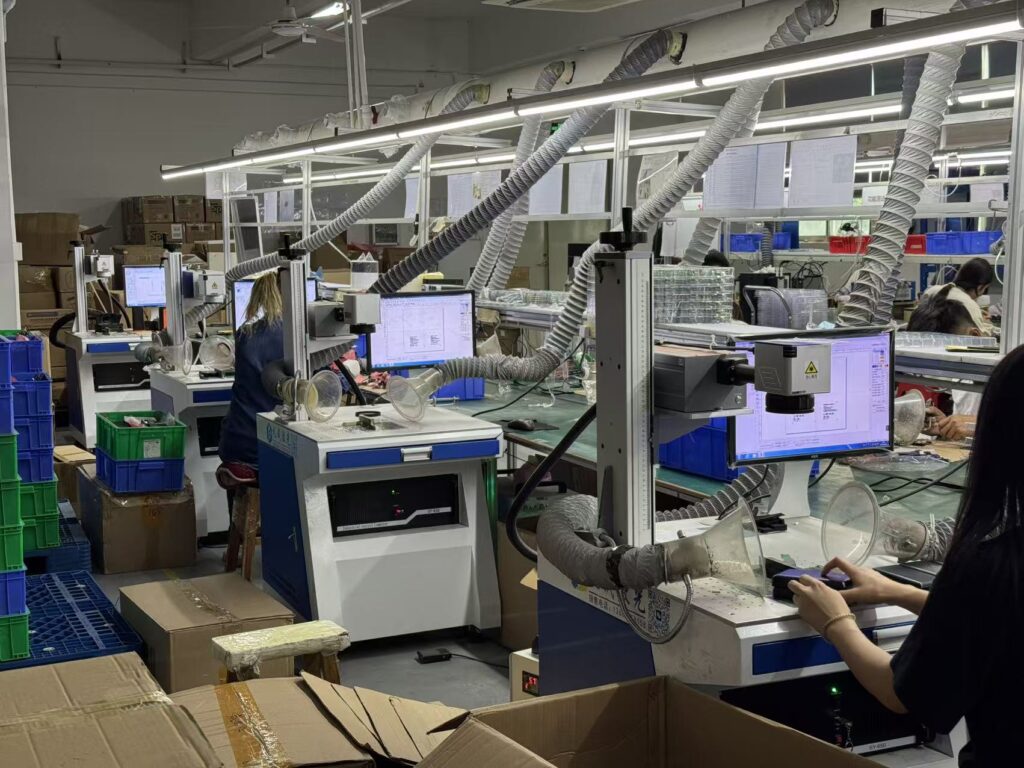
It’s easy for a factory to say they have "good quality." But how can you really check this? I learned that seeing is believing. Just looking at samples is not enough. You need to understand their whole system. A stable supplier does not just test products at the end. They build quality into every step. Think about where problems often start: raw materials. Does the factory check incoming materials? This Incoming Material Inspection (IQC) is crucial for preventing defects from entering the production line, ensuring material conformity to specifications, reducing rework, and enhancing supplier accountability. Do they have rules for choosing suppliers for those materials? This is where many issues can be stopped early. Another key area is the production line itself. Are workers trained well? This directly contributes to product quality by equipping employees with necessary skills, transferring knowledge, reducing errors, fostering a culture of quality, and ensuring adherence to safety and regulatory standards. Are there checks at each station? These in-process checks are vital for early detection of defects, leading to cost savings by preventing issues from escalating, ensuring product consistency, and identifying production inefficiencies. Do they measure things like defect rates and then try to make them better? These small, continuous efforts, involving regular audits, corrective and preventive actions (CAPA), data analysis, and feedback loops, are fundamental to enhancing supplier quality over time. Traceability throughout the supply chain (from raw materials to final product) is also increasingly important for transparency, risk management, regulatory compliance, improving quality control, and building consumer trust. All these continuous efforts add up to strong quality control.
Key Aspects of Real Quality Control
- Incoming Material Inspection: Checking raw materials before use.
- In-Process Checks: Quality stops at different production stages.
- Continuous Improvement: Using data to make processes better.
- Worker Training: Ensuring all staff know quality standards.
- Traceability: Knowing where every part comes from and when it was made.
| Quality Control Stage | Stable Factory Approach | Unstable Factory Approach |
|---|---|---|
| Incoming Materials | Strict audits, approved supplier lists, material testing | Spot checks, buys from cheapest source, no material tests |
| Production Process | SOPs, trained staff, regular checks, error-proofing | Few checks, untrained staff, relies on final inspection |
| Final Inspection | Comprehensive testing, batch sampling, AQL standards | Quick checks, only visual inspection, high AQL |
| Problem Resolution | Root cause analysis, corrective actions, prevention plans | Fixes symptoms, ignores underlying issues, blames others |
At EverGreat, we call our approach "Strict Quality Control." Our system includes internal audits and constant improvement. We also use third-party groups to check us. This means we are always looking for ways to do better. We also make sure all products meet international standards like CE, FCC, and RoHS. These certifications are not just badges; they show our deep commitment to consistent, high quality. We want our clients to trust that every product is made right.
The Biggest Red Flags Buyers Ignore When Choosing a New Supplier
Are you overlooking critical signs of trouble? Many buyers focus only on price. I have seen buyers ignore clear warnings, leading to major problems later.
Buyers often ignore red flags like unclear communication, very low pricing that seems too good to be true, and a lack of transparency about production. These signs suggest underlying problems with reliability, quality, or ethical practices. Ignoring them causes future headaches.
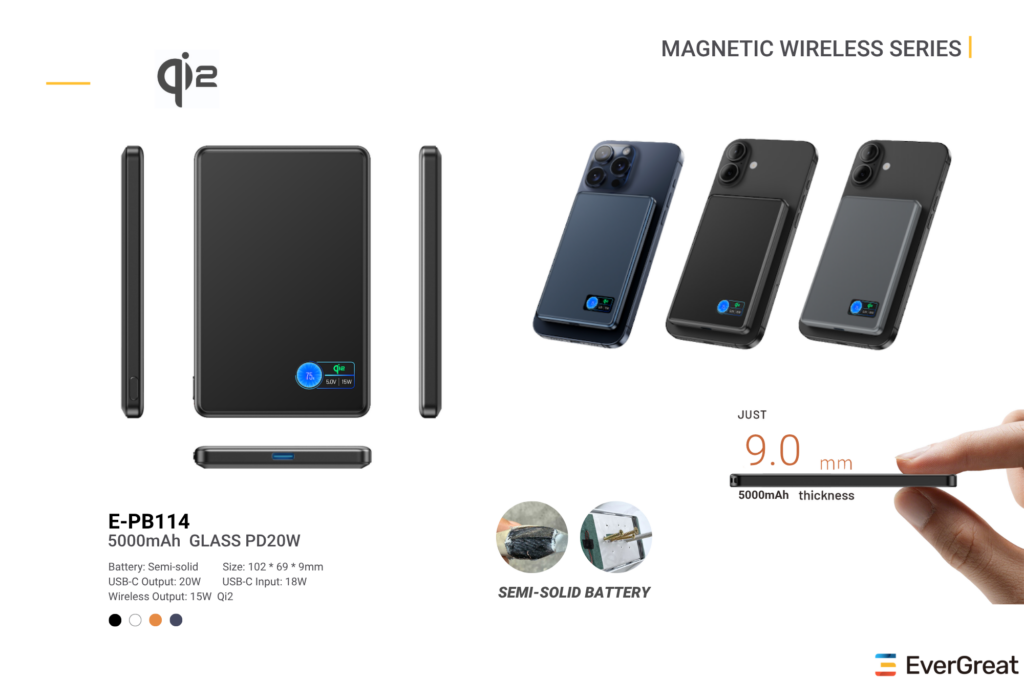
When I meet new suppliers, I always look for certain things. These are like warning signs. Many times, buyers get excited by a low price or a fast promise. Then they miss the real clues that show a supplier is not stable. One big red flag is inconsistent or poor communication. If a supplier takes too long to reply, gives vague answers, or changes what they say, this is a bad sign, often indicative of disorganization, dishonesty, or an inability to deliver. This can lead to production errors, delivery delays, and impact a manufacturer’s competitiveness. Another red flag is pricing that seems too good to be true. While everyone wants a good deal, extremely low prices can mean the supplier is cutting corners, potentially using low-quality materials, skipping testing, or engaging in unethical labor practices. These savings come at a cost to you later. I also get concerned when suppliers are not transparent. If they do not want you to visit their factory, or they avoid showing you their processes, there is likely something they are hiding, or perhaps they are merely a trading company without direct control over manufacturing. Poor documentation or missing certifications also raise concerns about compliance with industry standards and regulatory requirements. A lack of a clear problem-solving plan, or a tendency to blame others instead of taking accountability, is another sign of an unstable supplier. Reliable suppliers proactively identify root causes and implement corrective actions. Persistent quality issues from a supplier are a direct red flag indicating deeper problems within their processes and can force buyers to accept lower quality standards. Additionally, a lack of experience or expertise in the specific product category can also lead to challenges in product quality and delivery.
Common Supplier Red Flags
- Inconsistent Communication: Slow, vague, or changing answers.
- Unrealistic Low Prices: Indicates potential quality cuts or unethical practices.
- Lack of Transparency: Hiding factory operations or supply chain details.
- Poor Documentation: Missing certifications or unclear contracts.
- No Clear Problem-Solving Plan: Reacts to issues without a clear process.
| Red Flag | What It Might Mean | Stable Supplier Contrast |
|---|---|---|
| Slow/Vague Replies | Disorganized, short-staffed, or avoiding questions | Prompt, clear, and consistent communication |
| "Too Good" Pricing | Uses low-quality materials, skips testing, unethical labor | Fair pricing reflects quality materials, labor, and processes |
| No Factory Visit | Hiding issues with facilities, production, or working conditions | Welcomes visits, offers virtual tours, shows full transparency |
| No Certifications | Does not meet industry standards, risky for compliance | Provides all relevant product and factory certifications |
| Blames Others | Avoids responsibility, has no internal solutions | Takes ownership, focuses on root cause analysis and prevention |
We understand these worries. That is why at EverGreat, we focus on being very transparent. We offer "Free Full-Cycle Project Support" and are always open with our clients. We share market insights and help with cost analysis. We also promise "Rapid Technical and After-Sales Response." Our teams are always online. We believe trust comes from being open and responsive. We want clients to see us as a true partner.
Conclusion
Finding a stable supplier means looking at how they manage problems, not just promises. Focus on their supply chain, quality control systems, and communication to build lasting, reliable partnerships.