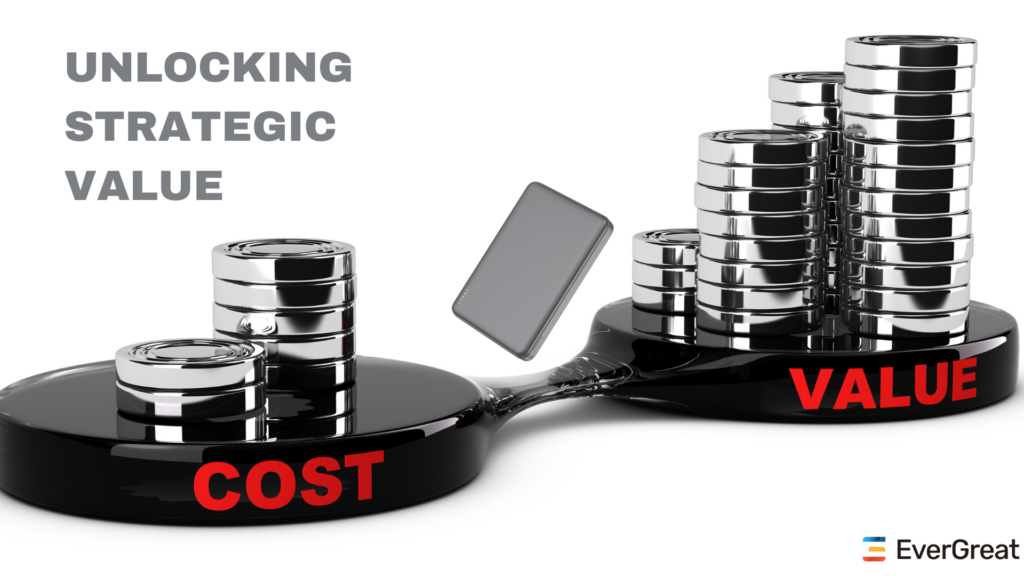
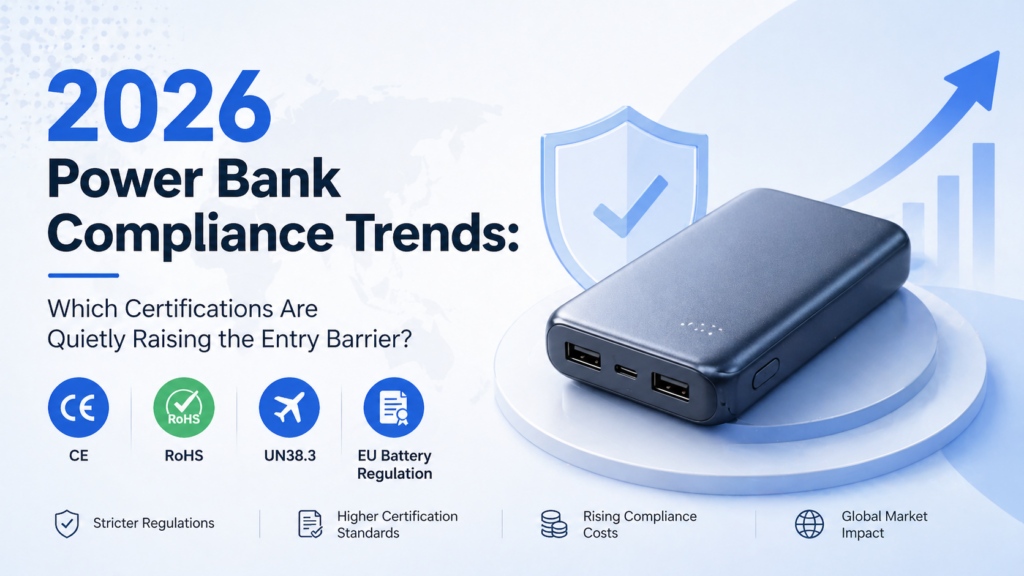
Struggling to keep customers despite low prices? The problem might not be your cost, but something else entirely. Discover why price often starts the conversation but rarely secures loyalty.
No, price is not the most important thing for long-term customers. While initial cost can attract buyers, and competitive pricing is a factor, sustained B2B relationships depend on consistent quality, reliable service, clear communication, and the ability to solve problems effectively, which builds trust over time. Studies in manufacturing confirm that loyalty is driven more by ’emotional’ relationship value and customer satisfaction than purely ‘rational’ motivation or initial cost.
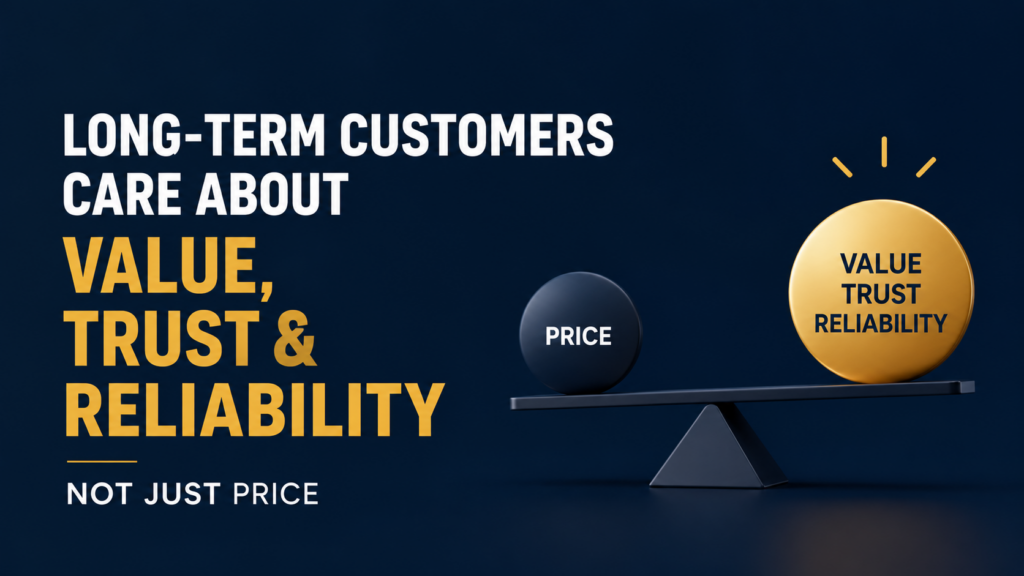
I have seen this pattern many times in manufacturing. Price often gets a customer in the door. But why do they leave, even when the price is lower somewhere else? Let’s explore what truly drives long-term partnerships.
Why Do Buyers Change Suppliers Even When the Price Is Lower?
Are you losing customers even with competitive prices? The truth is, a lower price can hide bigger problems. Learn what truly makes buyers switch providers.
Buyers change suppliers, even for a lower price, due to poor product quality, inconsistent delivery, bad communication, and lack of support. These issues create hidden costs and frustration, making a cheaper option less valuable in the long run than a reliable partner.
Are you losing customers even with competitive prices? A significant percentage of B2B buyers switch suppliers; for instance, Accenture reports that 80% of B2B buyers have switched at least once within 24 months due to misaligned services, and other data suggests 50% switched in the past year due to poor customer service. The truth is, a lower price can hide bigger problems. Learn what truly makes buyers switch providers.
When a buyer decides to change suppliers, it is rarely just about the unit price. I have learned that while a low price can be tempting at first, other factors quickly become more important. Many mobile accessories brand owners and startups value speed and market differentiation. If a supplier cannot deliver consistent quality or meet deadlines, even a low price becomes expensive. The ‘hidden costs’ significantly erode the perceived savings from low-price suppliers. These include lost sales, damaged brand reputation, and the time spent fixing problems, alongside quality control issues, supply chain unreliability, compliance risks, administrative fees, excess inventory storage, logistics surcharges, and supplier change penalties. The true cost of sourcing goes beyond the initial price and encompasses failure costs and risk premiums for supply disruptions. Industry research estimates the Cost of Poor Quality (COPQ) can range from 5% to 25% of sales, sometimes even higher, covering internal failures like scrap and external costs like warranty claims. Wholesalers and distributors need stable supply and consistent quality. If a supplier is cheap but unreliable, they lose money. They also lose trust with their own customers. This makes them look for a better, more dependable partner, even if it costs a little more.
What are the main drivers for changing suppliers?
- Poor Product Quality: Products might fail quickly or not meet specifications. This often happens when suppliers compromise on quality by using inferior materials, less skilled labor, or cutting corners in manufacturing. This leads to customer complaints, returns, increased costs, safety hazards, and damages the buyer’s brand reputation. Good quality assurance practices, on the other hand, can boost brand loyalty by 25%. I know we prioritize strict quality control because bad products mean bad business.
- Inconsistent Delivery: Orders might be late, or production might stop without warning. Long lead times for delivery/fulfillment and missed delivery dates are frequently cited reasons for B2B buyers to switch sellers. This disrupts the buyer’s own supply chain, causing lost revenue and missed opportunities. Unclear stock availability and unreliable delivery timelines lead 75% of buyers to consider switching suppliers. We know fast delivery and stable supply are critical for our partners.
- Bad Communication: There might be slow replies, misunderstandings, or lost project details. Poor communication across departments or with suppliers can cause misunderstandings, delays, and errors, potentially compromising product quality. This makes the partnership difficult and stressful. Effective communication is vital for building trust, increasing loyalty, strengthening brand perception, and fostering long-term partnerships in B2B. Clear and quick communication is something I always push for.
| Problem Area | Short-Term Impact | Long-Term Consequence |
|---|---|---|
| Low Price | Initial savings | Hidden costs, frustration |
| Inconsistent Quality | Customer complaints | Brand damage, lost sales |
| Delayed Deliveries | Missed deadlines | Supply chain disruption |
| Poor Communication | Misunderstandings | Broken trust, inefficiency |
What Causes Delays, Quality Issues, and Communication Problems in Manufacturing?
Are production delays, poor quality, and communication breakdowns costing you? These common manufacturing issues can ruin your brand. Understand their root causes now.
Delays, quality issues, and communication problems in manufacturing often stem from a weak supply chain, inadequate quality control processes, and a lack of dedicated support teams. These failures disrupt production, increase costs, and damage trust between partners, making smooth operations impossible.
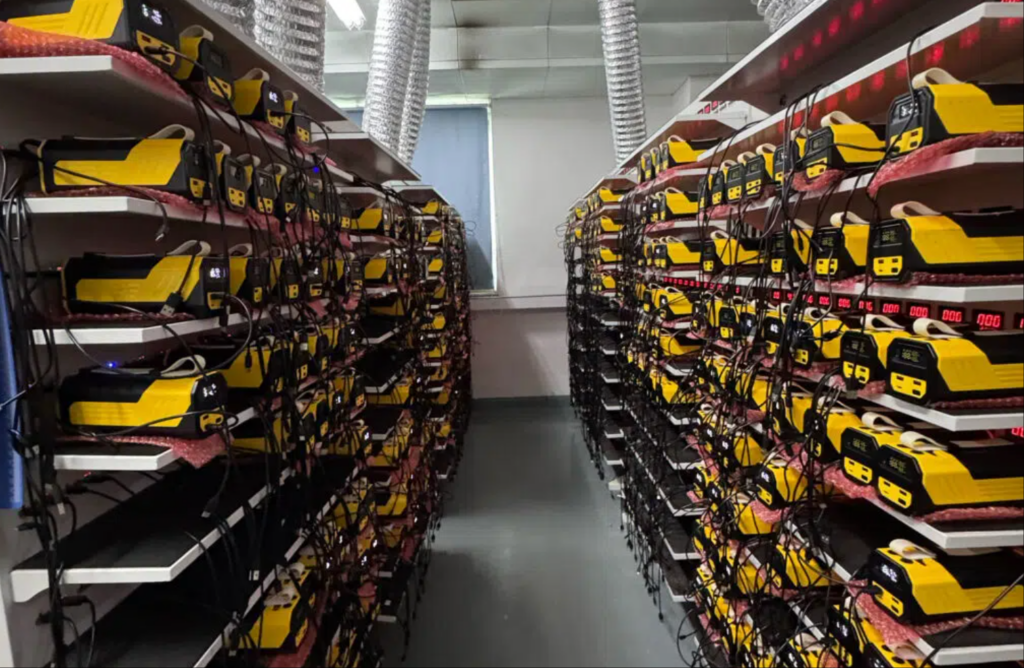
From my experience, these common problems do not just happen by accident. They are often signs of deeper issues within a manufacturing partner’s system. For cross-border e-commerce sellers, getting products to market fast with all certifications is key. Delays or quality problems can completely destroy their launch plans. A strong manufacturing partner needs robust processes from start to finish. I believe in giving full-cycle project support because it prevents these problems. We help with everything, from consultation to after-sales. This proactive approach tackles issues before they grow. For brands with their own designs, smooth communication with their R&D team is vital. If the manufacturer cannot handle complex technical discussions, it will lead to quality issues and delays.
What are the underlying causes?
- Weak Supply Chain Management: A supplier might use cheap, unreliable components or have too few backup suppliers. This makes them vulnerable to material shortages or quality defects. Supply chain disruptions remain a critical concern in manufacturing; 75% of companies experienced disruptions in 2022, costing businesses $1.6 trillion, with 87% of executives reporting instability in the last year. These disruptions are often caused by geopolitical tensions, extreme weather, cyberattacks, labor shortages, and supplier failures. We only use top-tier global components, rigorously manage our supply chain, and have robust contingency plans to reduce these risks.
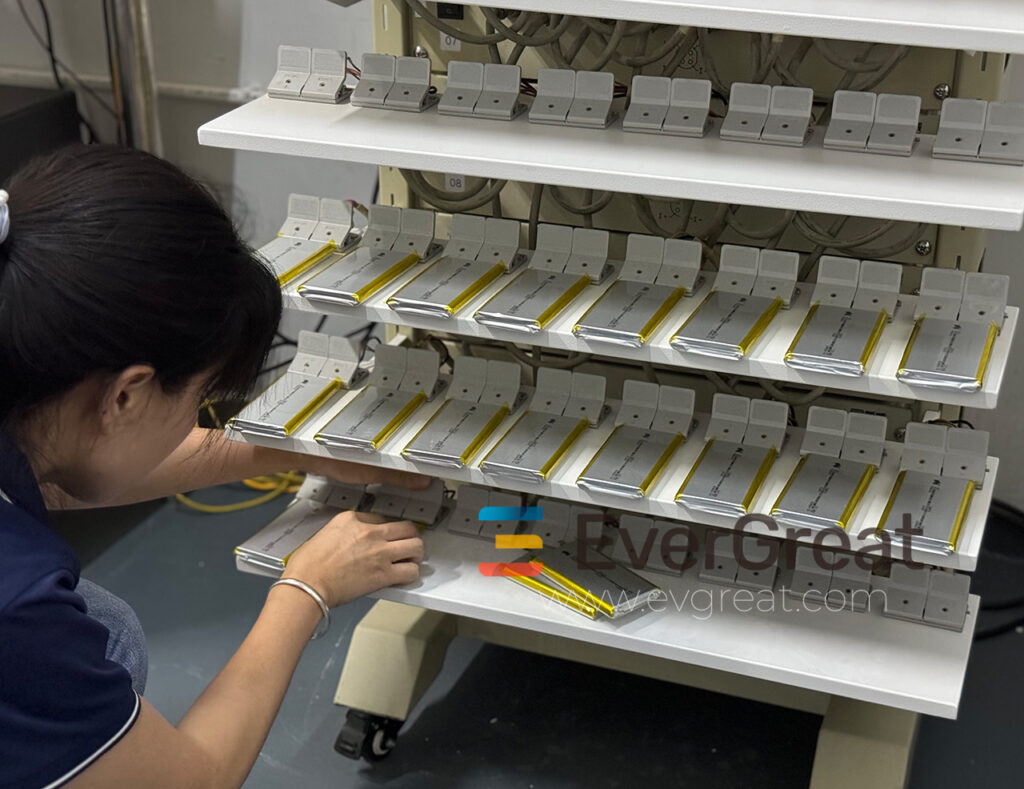
- Insufficient Quality Control: Checks might be missing at critical stages, or there might be no systems for continuous improvement, letting defects slip through. Common causes of quality issues are diverse, including defective raw materials, inaccurate dimensions (from incorrect machine settings or worn tools), poor assembly due to lack of training, contamination, process variability, inadequate testing, human error, machine malfunctions, and poor communication. Our inspection system is strict, includes internal audits and third-party checks, and addresses these root causes to ensure consistent quality.
- Lack of Technical and After-Sales Support: When problems arise, there might be no one to help quickly. Solutions might be slow or unclear. This leaves customers feeling stranded. Our teams are online 24/7. They help solve technical challenges fast.
| Problem Type | Common Cause | EverGreat Solution |
|---|---|---|
| Delays | Unreliable component sourcing | First-Class Supply Chain |
| Inefficient production process | Optimized Production Process | |
| Quality Issues | Poor materials, weak checks | Strict Quality Control |
| Lack of testing | Certifications (CE, FCC, RoHS, UL) | |
| Communication Gaps | No dedicated support team | Rapid Technical and After-Sales Response |
| Slow feedback | Free Full-Cycle Project Support |
How Do Successful Brands Choose Long-Term Manufacturing Partners?
Want to build lasting manufacturing partnerships? Smart brands know it’s more than just price. Discover the secrets to choosing a truly reliable collaborator.
Successful brands choose long-term manufacturing partners based on proven quality, strong technical support, clear communication, and a shared commitment to innovation and problem-solving. They prioritize partners who offer comprehensive support, reliability, and help them achieve strategic growth beyond just cost savings.
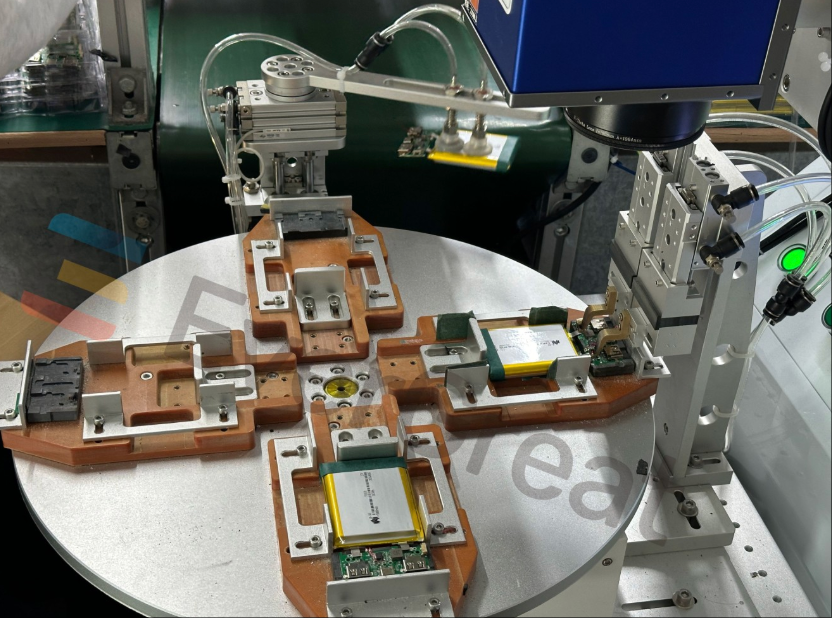
I have worked with many successful brands, both big and small. I have learned that they do not just look for the lowest price. They look for a partner. These companies understand that their manufacturing partner is an extension of their own team. Brands with their own designs, for example, need a manufacturer who respects their intellectual property. They need a partner who can smoothly integrate with their R&D efforts. This takes trust and capability. Wholesalers and retailers need a partner who ensures product quality and provides marketing support. They need HD images and pricing guides. This helps them sell more. They want a partner who helps them succeed, not just makes products. This is why we offer an OEM/ODM hybrid model and market insights. We want to be a true partner.
What are the key criteria for choosing a long-term partner?
- Proven Quality and Reliability: Successful brands scrutinize a manufacturer’s track record and look for robust quality management systems, often evidenced by certifications like ISO 9001. They value consistent output and low defect rates, which builds confidence in the products. Our strict quality control and comprehensive certifications give that peace of mind.
- Comprehensive Support Beyond Production: Successful brands seek partners who offer more than just manufacturing. They want help with design, cost analysis, market insights, and after-sales. This full-cycle support reduces their workload. Our free full-cycle project support covers all these areas.
- Strong Communication and Partnership Ethos: They look for clear, quick communication. They want a manufacturer who understands their vision. They value a partner committed to mutual growth. This means someone who protects IP and offers flexible production. We believe great partnerships are built on trust.
| Selection Factor | What It Means for the Brand | How EverGreat Delivers |
|---|---|---|
| Consistent Quality | Fewer returns, stronger brand | Strict Quality Control |
| Reliable Delivery | Stable inventory, happy customers | Optimized Production Process |
| Proactive Communication | Faster problem-solving, less stress | Rapid Technical & After-Sales Response |
| Full-Cycle Support | Reduced operational burden, guided growth | Free Full-Cycle Project Support |
| Market Insights | Informed decisions, competitive edge | Market & Investment Insights |
Conclusion
Price opens doors, but quality, reliability, and strong partnerships build lasting success. In B2B, customer retention is significantly more cost-effective than acquisition; acquiring a new customer can cost 5 to 25 times more than retaining an existing one, and a mere 5% increase in retention can boost profits by 25% to 95%. The probability of selling to an existing customer is 60-70% compared to 5-20% for new prospects, with repeat customers spending 67% more. These statistics underscore the immense value of enduring relationships. Choose a manufacturing partner who offers value beyond cost, ensuring long-term growth and trust.