Are you struggling to navigate the fast-changing power bank market? Miss key trends, and you risk making poor investment choices. I will simplify the complex landscape, so you can make informed decisions.
The power bank industry is transforming, driven by growing demand, evolving product features, and stricter global regulations. For the next three years, I see continued demand growth, a critical balance between fast charging, capacity, and portability, and increasing importance of compliance shaping how buyers choose products.
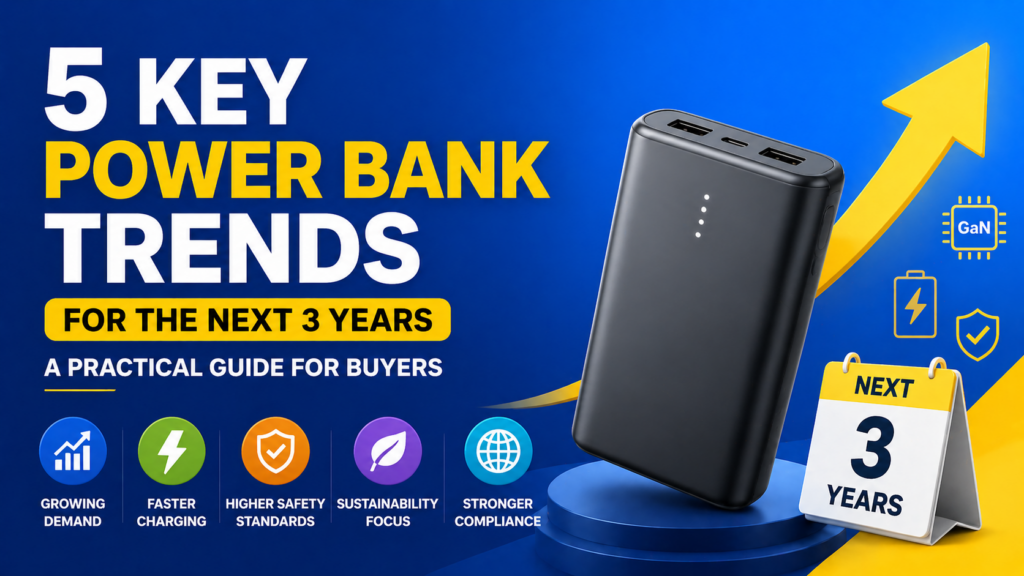
In my work, I meet many buyers who are not just looking for information; they want to reduce uncertainty in their decisions. The real shift happening now is how demand, product innovation, and regulations are all starting to influence each other. Let’s look at the key trends shaping your buying choices in the coming years.
Will Power Bank Demand Continue to Grow? Market Trends and Forecast Explained.
Worried about the power bank market slowing down? Ignoring current growth drivers can make you miss big opportunities. I see continued strong demand, ready for smart buyers.
Yes, power bank demand will continue to grow, fueled by smartphone reliance, IoT device expansion, and increased outdoor activities. The market shows a steady upward trend, driven by consumers needing reliable portable power for their ever-growing number of devices.
From my perspective at EverGreat Technology, the need for portable power is not going away. The global power bank market was valued between USD 12.5 billion and USD 14.28 billion in 2024-2025, and it is projected to reach as high as USD 46 billion by 2035, growing at a CAGR potentially exceeding 10.9% in some forecasts. People rely more on their mobile devices for work, communication, and entertainment. This keeps the demand for power banks strong. We see this demand across different market segments, with the Asia-Pacific region dominating the market with a revenue share of 36.9% to 44.04% in recent years and anticipated to be the fastest-growing region, while North America also held a significant 31.7% market share in 2025. I believe this demand will only increase. Understanding where this growth comes from helps you target your product offerings better.
What is Driving Power Bank Demand?
Many factors contribute to the market’s expansion. First, smartphones are everywhere. As screens get bigger and processing power increases, battery life often stays the same. This means users need to charge more often. Second, the rise of IoT devices like smartwatches, wireless earbuds, and portable speakers adds to this need; the average consumer now owns 2.6 portable devices, fueling the need for versatile charging options. Each new gadget is another device that needs power on the go. Third, people are more active outdoors. Camping, hiking, and travel all require dependable portable power. Additionally, the expansion of e-commerce and omnichannel retail networks, the rise of eco-friendly and smart power banks, an increasing remote work culture, and the growing adoption of AI-enabled mobile devices are significant drivers. From my experience helping brand owners, these are the core reasons why power banks remain essential.
How Does Demand Look Across Key Segments?
I’ve noticed demand varies by specific use case. Each segment has unique needs. For example, business users often prioritize fast charging and durability. Travelers want higher capacity and rugged designs. Everyday consumers look for a good balance of size, power, and price. Understanding these segment differences is vital for any buyer. We help clients tailor their products for these specific groups.
| Market Segment | Key Demand Drivers | Typical Capacity Needs |
|---|---|---|
| Everyday Consumers | Smartphone use, social media, basic portability | 5,000 – 10,000 mAh |
| Business/Pro Users | Laptop charging, multiple device support, fast charging | 10,000 – 20,000 mAh |
| Outdoor/Travelers | Long-lasting power, durability, multiple charge cycles | 15,000 – 30,000 mAh+ |
| Gaming | Sustained power for handheld consoles, fast charging | 10,000 – 20,000 mAh |
What Challenges Could Affect Future Growth?
While growth is strong, challenges exist. Battery technology improvements could reduce charging frequency. Also, increasing public charging infrastructure might lessen personal power bank needs. However, from what I’ve seen, the convenience of personal power is still king. I believe future innovations in battery tech might also lead to smaller, more powerful power banks, driving new purchases. New challenges also include high cost pressures from integrating advanced battery and charging technology, stringent safety, transport, and compliance requirements for lithium-ion batteries, and intense price competition, especially in entry-level segments. The prevalence of counterfeit and substandard imports also erodes consumer confidence, while fluctuations in lithium and rare-earth material prices can impact production costs and availability. Despite advancements, technological limitations and inefficiencies in battery technology still exist. My advice is to stay updated on these factors.
Fast Charging, High Capacity, or Portability — What Features Will Matter Most?
Are you unsure which features to prioritize for your next power bank product? Choosing the wrong mix can lead to unsold inventory. I will show you what customers really want.
In the coming years, no single feature will dominate; instead, a balanced combination of fast charging, appropriate capacity, and optimized portability will matter most. Buyers will seek power banks that offer efficient power delivery, enough charge for their specific needs, and a form factor that fits their lifestyle without compromise.
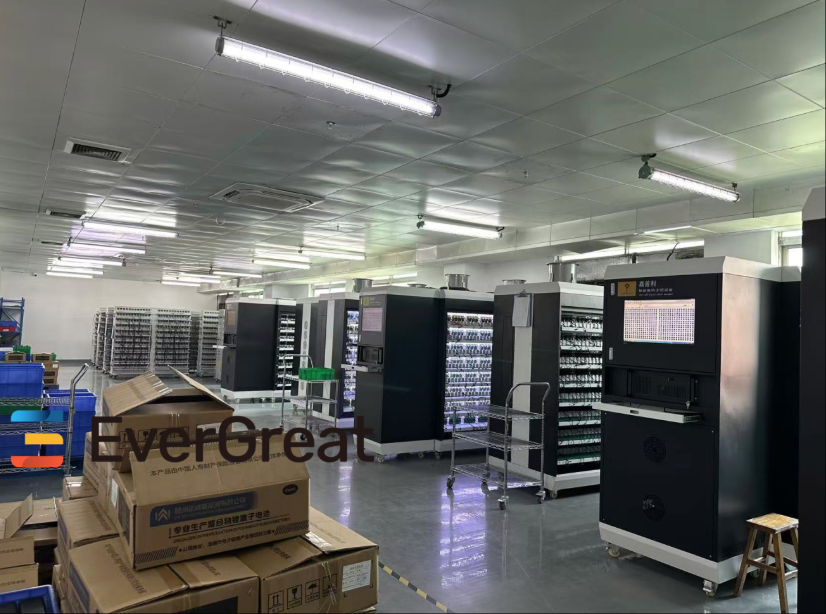
At EverGreat, I have witnessed how quickly customer expectations change. What was cutting-edge last year might be standard today. When we help our clients design new power banks, we always discuss the delicate balance of features. It is not about simply having the "most" of everything. It is about having the right blend that serves the target user best. This includes understanding the specific use cases and what trade-offs users are willing to make. The 8,001 mAh-20,000 mAh capacity segment accounted for the largest market share in 2022 and is expected to generate the highest revenue, indicating a sweet spot for balanced features.
How Do We Balance Features for the User?
Choosing features is a puzzle. Fast charging is great for quick top-ups but can cost more. High capacity means more power but often makes the power bank bigger and heavier. Portability is key for everyday carry, but too small means less power. I believe the best approach is to identify your target customer first. A commuter might value portability and moderate capacity. A camper needs high capacity and durability. We help brand owners make these critical choices every day. It is about smart design, not just adding every new tech.
What Emerging Technologies Should Buyers Watch?
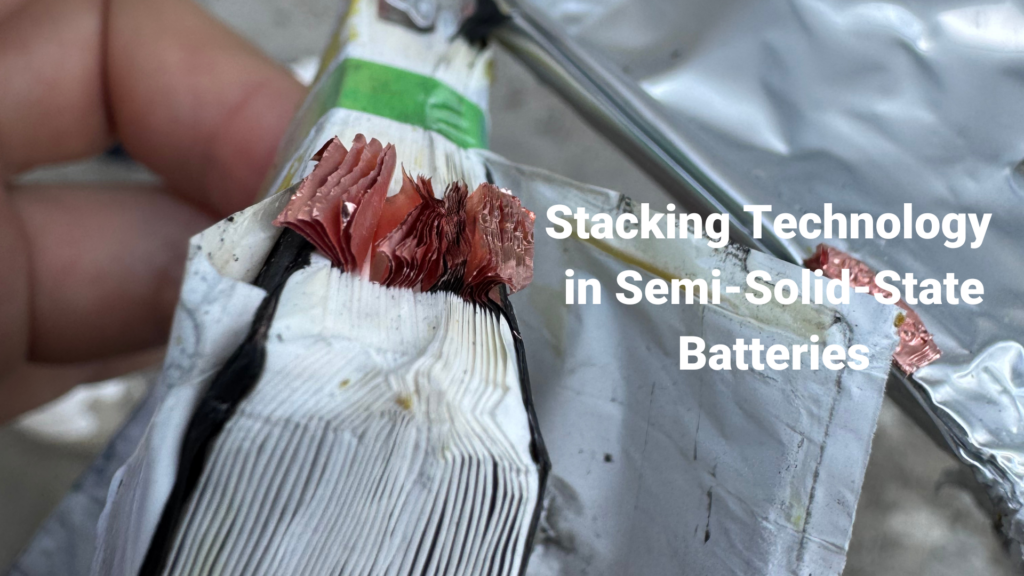
Looking ahead, the commercial debut of semi-solid-state battery technology in 2026 is projected to double energy density and virtually eliminate the risk of "thermal runaway," leading to thinner and lighter 10,000mAh devices. Furthermore, capacities above 20,000 mAh and total outputs up to 240W are increasingly needed for laptops, handheld consoles, and creative equipment, with features like built-in high-wattage USB-C cables, digital power displays, and pass-through charging becoming key. From my viewpoint, integrating these smart features, especially those that improve user convenience, will be key to standing out in a crowded market. I tell my clients to think about features that solve real user problems.
What Features Do Different Customers Prioritize?
Different customers have different needs. A student might want a small power bank for their phone. A photographer might need one to charge camera batteries and a laptop. This means feature priority changes.
| Customer Type | Top Feature Priorities | Secondary Priorities |
|---|---|---|
| Commuters/Students | Portability, moderate capacity, fast phone charging | Stylish design, durability |
| Travelers/Outdoor | High capacity, ruggedness, multiple output ports | Fast charging, flashlight |
| Professionals/Creators | Fast charging (USB-PD for laptops), high capacity, reliability | Multiple ports, compact |
| Gamers | Fast charging, consistent power output, moderate capacity | Ergonomics |
I believe understanding these nuances helps buyers specify products that truly meet market demand.
How Regulations and Compliance Will Shape the Future of Power Banks?
Are you overlooking the growing importance of regulations in power bank manufacturing? Ignoring compliance can lead to costly product recalls or market access issues. I will show you how to stay ahead.
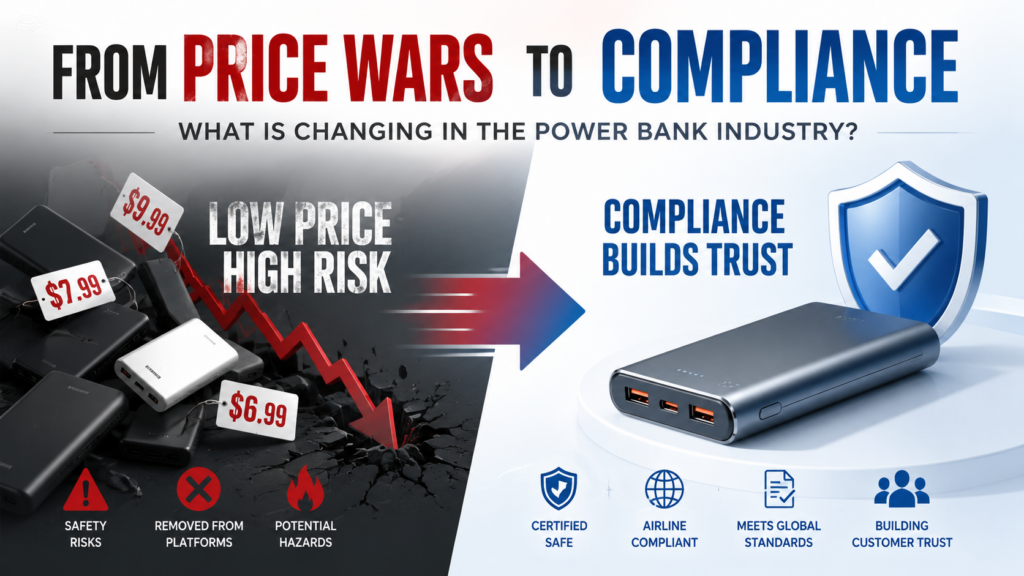
Regulations and compliance will significantly shape the future of power banks, primarily by enforcing higher safety standards, promoting environmental sustainability, and creating regional market entry barriers. For buyers, understanding and adhering to certifications like CE, FCC, RoHS, and UL will be non-negotiable for successful market penetration and consumer trust.
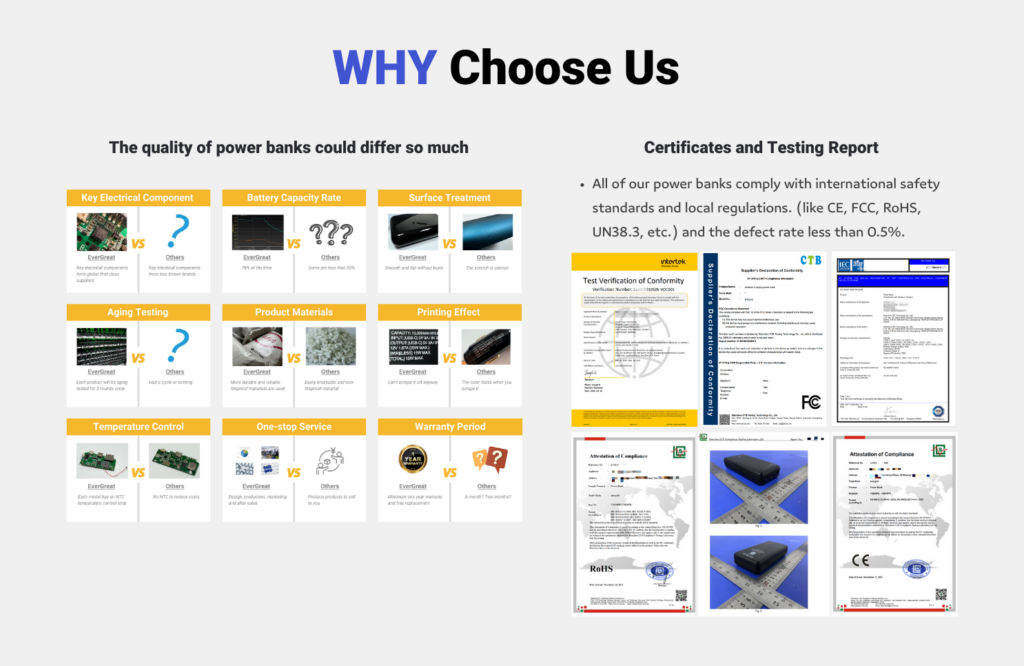
From my seat at EverGreat Technology, I’ve seen firsthand how regulations, once an afterthought, are now central to product development. Buyers today are not just asking about specifications; they are asking about certifications and testing. This shift reflects a global push for safer, more sustainable products. Navigating these requirements can be complex, but it is absolutely essential for any brand owner hoping to succeed, shifting from a "nice-to-have" to a "must-have survival line." I cannot stress enough the importance of getting this right from the start.
What Key Regulations Must Buyers Know?
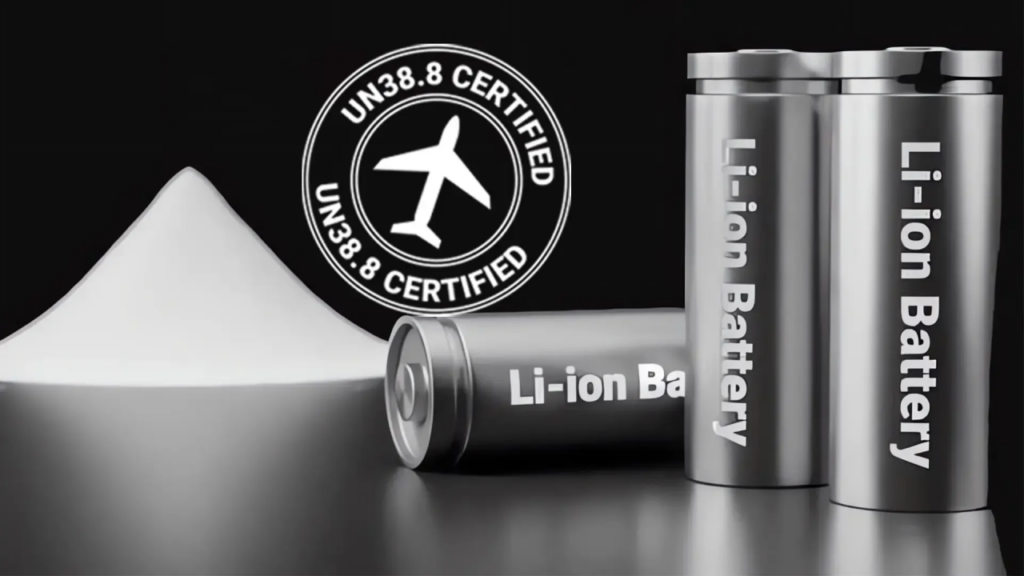
There are many important regulations. Safety standards, like those from UL or CE, ensure the power bank does not overheat or catch fire. Environmental compliance, like RoHS, limits hazardous substances. Transport regulations, like UN38.3, are critical for shipping lithium-ion batteries. For example, UL Certification, while technically voluntary in the US, is often required by major retailers like Amazon (specifically UL 2056 for power banks or IEC/UL/CSA 62368-1), ensuring safety against electric shock, overheating, fire, and mechanical hazards, with testing costs potentially ranging from $2,000-$4,000 per model. UN38.3 is mandatory for shipping all lithium batteries internationally, ensuring stability during transport through 8 mandatory tests (e.g., altitude, temperature, vibration, shock, short circuit), typically costing $5,000-$7,000 and taking 4-6 weeks for certification. I believe that ignoring any of these can put your brand at risk. We work hard to ensure all our products meet these international standards. This protects both the end-user and your business.
Why is Environmental Compliance Becoming More Critical?
The world is becoming greener. Consumers care more about how products affect the planet. This means regulations like RoHS (Restriction of Hazardous Substances), which limits harmful substances such as Lead, Mercury, and Cadmium in electronics, and REACH (Registration, Evaluation, Authorisation and Restriction of Chemicals), a comprehensive chemical regulatory framework for reducing risks to human health and the environment, are more important. These rules make sure power banks do not contain dangerous chemicals. It is important to note that RoHS alone covers materials, not surge protection or thermal cutoff. Furthermore, the WEEE Directive (Waste Electrical and Electronic Equipment) in the EU addresses the collection and recycling of e-waste. Beyond hazardous substances, power bank manufacturing is resource-intensive (lithium, cobalt, nickel mining often leading to deforestation, soil degradation, and water contamination) and energy-intensive (contributing to fossil fuel use and greenhouse gas emissions). This process ultimately contributes to toxic e-waste, with an estimated 1.6 million tons of lithium-ion batteries expected to reach end-of-life in the future. I have seen how brands gain trust by showing they care about environmental impact. It is not just about avoiding fines; it is about building a responsible brand image. From my perspective, this trend will only get stronger.
How Do Regulations Differ by Region?
Regulations are not the same everywhere. A power bank sold in Europe needs CE marking, which is legally mandatory and signifies compliance with EU safety (Low Voltage Directive), health, environmental (RoHS Directive), and electromagnetic compatibility (EMC Directive) requirements. If the power bank has wireless features, the Radio Equipment Directive (RED) also applies. One sold in the US needs FCC certification, which is mandatory for electronic devices sold in the US, ensuring they do not interfere with other electronics; Amazon and other retailers enforce FCC reports. Products sold in California must also comply with California Prop 65, which restricts certain chemicals and heavy metals and requires warning labels. China has its own set of compulsory certifications, including CCC (China Compulsory Certification), which is mandatory for Mainland China; without it, products cannot be sold in China and are banned on domestic flights. From March 2026, newly certified power banks in China must include a traceability QR code, and factory audits have become stricter, with certification costs ranging from 35,000-50,000 RMB ($4,800-$6,900 USD). In Japan, the PSE Mark (specifically the Round PSE) is mandatory under the Electrical Appliance and Material Safety Act. South Korea requires KC Certification. Additionally, global transport rules are evolving: IATA’s 2026 Transport Rules will require lithium battery shipments to have a state of charge (SoC) ≤30% during air transport, which may add 2-3 days to production timelines as factories must discharge batteries before packaging. ICAO (International Civil Aviation Organization) rules, effective March 27, 2026, will limit passengers to a maximum of 2 power banks in carry-on luggage (under 100Wh), prohibit recharging them onboard, and strongly recommend against using them to charge devices in flight. Japan will further ban the in-flight use of power banks starting April 2026, though carrying them in carry-on luggage will remain permitted. I often tell my clients that understanding these regional differences is vital for market entry. You cannot use a "one-size-fits-all" approach. Working with a manufacturer that understands global compliance, like EverGreat, simplifies this complex process for you.
| Region | Key Certifications/Regulations | Main Focus |
|---|---|---|
| European Union | CE (LVD, RoHS, EMC, RED for wireless), REACH, WEEE | Safety, environmental, electromagnetic compatibility, chemical regulation, e-waste recycling |
| United States | FCC (electromagnetic interference), UL 2056/62368-1 (safety), California Prop 65 | Safety, electrical interference, chemical restrictions |
| China | CCC (Compulsory Certification), GB Standards, traceability QR code (from 2026) | Safety, quality, product origin |
| Japan | PSE Mark (electrical product safety), potential in-flight use ban (from 2026) | Safety, aviation rules |
| South Korea | KC Certification | Safety, quality |
I believe that staying current on these regulations is a must for long-term success.
Conclusion
Understanding power bank trends in demand, features, and regulations is vital for smart buying. By knowing these shifts, you reduce uncertainty and make better product decisions.