Worried your power bank won’t last? The thought of unreliable devices can be frustrating. I understand why trusting your portable power is so important.
Before a power bank leaves our factory, it goes through over 30 rigorous quality control tests. These checks cover battery performance, circuit safety, casing durability, and environmental resistance. This intense process makes sure each unit meets strict international standards for safety and reliability. The global power bank market is projected to reach an impressive $31.06 billion (USD) by 2030, underscoring the critical need for reliable portable power solutions.

When you ask about power bank quality, you are really asking about trust. I believe understanding how these devices are built and tested is key to finding that trust. We must look at the specific steps we take. This ensures your power bank is not just good, but truly reliable.
How Are Power Banks Tested for Safety and Reliability?
Concerned about safety with a new power bank? Doubts about product reliability are common. Knowing the test process brings peace of mind.
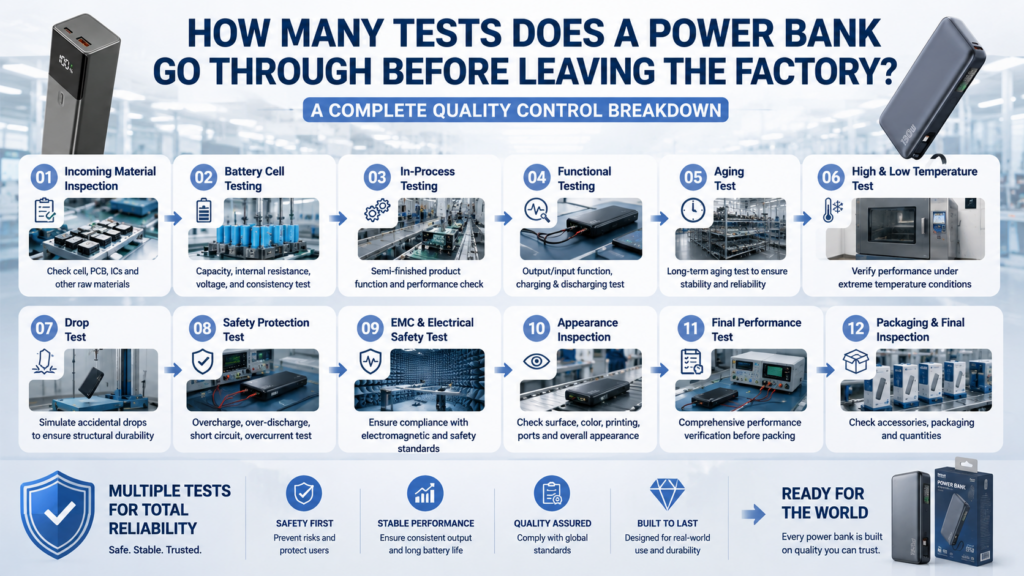
Power banks undergo extensive testing to ensure safety and reliability. These tests check battery integrity, circuit protection, thermal management, and physical durability. They prevent issues like overheating, short circuits, or sudden failures during normal use.
I know that people worry about whether a power bank can be trusted over time. This is a big concern. We make sure our power banks work well and safely, no matter what. My team puts each power bank through many tests. These checks are crucial, especially considering that reports indicate a significant percentage of power banks, sometimes as high as 40% in investigations, can be faulty due to lower-than-advertised capacity or sub-par batteries. Furthermore, even a 10,000mAh power bank often delivers only 70-90% of its stated capacity due to energy loss during voltage conversion, typically as heat, highlighting the importance of thorough performance testing. We start with the battery itself. We check if it can hold a charge and if it can release power steadily. We also test for safety in extreme cases. For example, we make sure it does not overcharge or over-discharge. We also check what happens if there is a short circuit. These tests are very important. They protect the user. They also make the product last longer. We use special machines for these tests. These machines push the power banks to their limits. We want to see how they perform under pressure. This helps us find any weak spots. We fix these before the product goes out.
Key Safety and Reliability Tests We Conduct
We perform many tests. Each test has a specific purpose. This makes sure the power bank is safe and reliable.
| Test Type | Purpose | Why It Matters |
|---|---|---|
| Overcharge Test | Checks if the battery handles charging past its limit. | Prevents swelling, overheating, or explosion from too much charge. |
| Over-discharge Test | Checks if the battery works after being fully drained. | Ensures battery life and prevents damage from deep discharge. |
| Short Circuit Test | Checks if the device safely shuts down during a short. | Stops fire or damage if internal wires touch or external contacts short. |
| High/Low Temperature | Checks performance in extreme heat and cold. | Ensures the power bank works in different climates without failing, and critically, prevents thermal runaway. |
| Vibration Test | Checks device strength during movement or drops. | Makes sure internal components stay secure and connected after transport or use. |
| Drop Test | Checks physical durability from accidental falls. | Confirms the casing and internal parts can withstand everyday bumps. |
| ESD (Electrostatic) | Checks resistance to static electricity discharge. | Protects circuits from damage when touched by static electricity. |
| Cycle Life Test | Checks how many charge/discharge cycles the battery lasts. | Shows how long the power bank will work effectively over time. |
We do not stop at just these tests. We also test the circuits. We test the USB ports. We test the casing. Every part must pass our strict checks. This makes me confident in our products.
What Quality Control Standards Should a Reliable Power Bank Meet?
Unsure which power bank brands to trust? The market is full of choices. Knowing about quality standards can help you decide.
A reliable power bank must meet several key international quality control standards. These include certifications like CE, FCC, and RoHS, which confirm safety, electromagnetic compatibility, and hazardous material restrictions. Adhering to these standards ensures the product is safe, legal, and performs as expected.
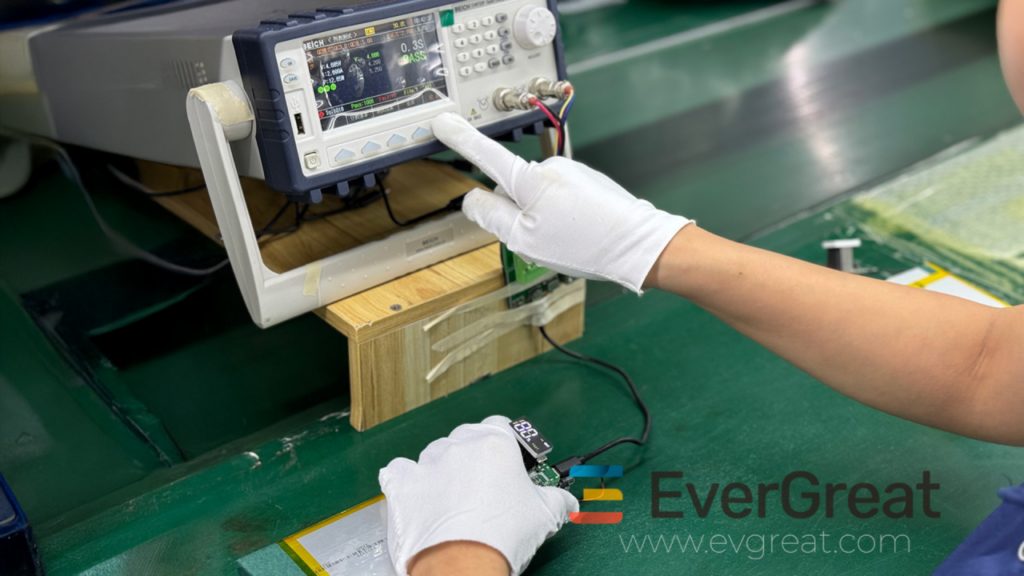
When customers ask about safety or quality, they want to know: "Can I truly trust this product?" I know this is the real question. For us, meeting quality standards is not just about passing tests. It is about building trust. We follow strict rules during every step of making a power bank. This starts from choosing raw materials. It goes all the way to the final product check. I believe a good power bank needs more than just internal tests. It must also have approvals from outside experts. These approvals are called certifications. They show that our products meet global safety and performance rules. Without these, a power bank cannot be truly reliable. We work hard to get all the needed certificates. This proves our commitment to quality. My team makes sure every product follows these strict guidelines. This gives our customers confidence.
Essential Quality Certifications and Our Internal Processes
We follow many rules and standards. This ensures every power bank is top quality.
| Certification | What It Means | Importance for Power Banks |
|---|---|---|
| CE | (Conformité Européenne) – Meets EU safety, health, and environmental rules. | Mandatory for sale in the European Economic Area (EEA) since August 2024 under the new Battery Regulation; proves product meets essential EU safety, health, and environmental directives (e.g., EMC, LVD, RoHS). |
| FCC | (Federal Communications Commission) – Meets US electromagnetic compatibility. | Prevents interference with other electronic devices; required for US market. |
| RoHS 2.0 | (Restriction of Hazardous Substances) – Limits specific dangerous materials. | Protects human health and the environment by reducing toxic chemicals. |
| UL | (Underwriters Laboratories) – Independent safety science certification. | Shows rigorous safety testing, with UL 2056 being the world’s first standard specifically for power bank safety (e.g., overcharge, short-circuit, impact resistance). Often preferred or required by major retailers and e-commerce platforms in North America. |
| MSDS | (Material Safety Data Sheet) – Provides info on chemical product risks. | Important for shipping and handling of batteries, ensures safe transport. |
| UN 38.3 | (United Nations) – Battery transport safety standards. | Ensures safe air/sea transport of lithium batteries, including those in power banks, preventing hazards. |
Looking ahead, regulatory landscapes are evolving to further enhance safety and sustainability. For instance, starting February 2027, power bank batteries sold in the EU will be required to be user-removable to promote a circular economy and reduce electronic waste. Similarly, China’s CCC certification reforms in March 2026 will mandate traceable QR codes and stricter factory inspections for power banks, which is expected to increase compliance costs but also elevate quality across the industry.
Beyond these certifications, we have our own strict quality control system. We do internal audits regularly. We also keep making improvements based on what we learn. Sometimes, third-party companies also check our work. This extra check makes our quality even stronger. It ensures we always deliver products that brands can trust.
Why Do Some Power Banks Fail After a Few Months? Common Manufacturing Problems Explained
Ever had a power bank stop working suddenly? The frustration of unexpected failure is real. You expect your devices to last.
Many power banks fail quickly due to poor-quality components, flawed design, or inadequate testing during manufacturing. Using cheap batteries, weak circuit boards, or skipping crucial safety checks can lead to early malfunctions, reduced lifespan, and safety hazards.
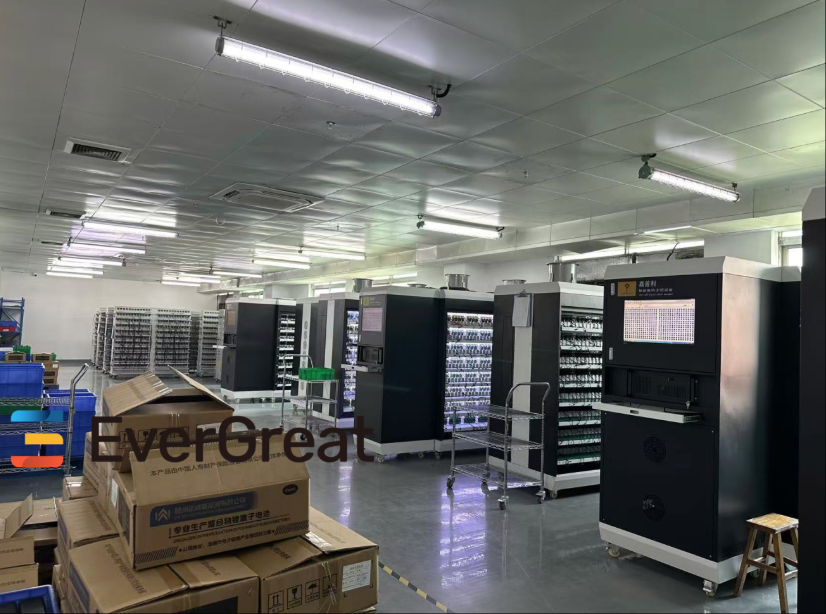
I often hear people asking why some power banks fail so quickly. This is a very important question. It shows a lack of trust in the products they buy. When a power bank stops working after only a few months, it usually points to a problem from the start. It is not always the user’s fault. My experience shows that common reasons include using low-quality components. Some factories might choose lower quality batteries or circuits to save money, leading to issues like rapid capacity loss, circuit burnout, or safety hazards. Another big reason is poor design and engineering. If the internal layout is not good, or if there’s inadequate thermal management, it can cause overheating and parts to break easily. Lastly, not testing enough is a major problem. If a factory skips tests, they might not find these flaws until the product is in your hands. I believe that cutting corners in any of these areas leads to products that cannot be trusted. We make sure we do not make these mistakes.
How Manufacturing Choices Lead to Early Failures
Poor choices in making power banks cause them to fail early. We avoid these.
| Common Failure Cause | Description | How EverGreat Avoids This |
|---|---|---|
| Low-Quality Components | Using cheap batteries, circuit boards, or wiring, which can lead to rapid capacity loss, circuit burnout, and safety hazards. | First-Class Supply Chain: We only use top-tier global components. |
| Poor Design & Engineering | Flawed circuit layout, inadequate thermal management, or weak casing that leads to overheating, structural weaknesses, and early failure. | Optimized Production Process: From design to 3D sampling, we ensure precision. |
| Inadequate Testing | Skipping crucial safety and performance checks during production. | Strict Quality Control: Our inspection system includes many audits. |
| Shoddy Assembly | Parts not properly connected, bad soldering, or loose wires, resulting in functional issues and safety risks like overheating. | Optimized Production Process: Skilled workers and strict assembly lines. |
| Lack of Certifications | Not meeting international standards, which can mean essential safety features are missing, increasing the risk of incidents. | Certifications: All products meet CE, FCC, RoHS, UL, and others. |
| Environmental Weakness | Not designed to handle extreme temperatures, humidity, or physical impact, making them prone to damage and premature failure. | High/Low Temperature Tests: We check performance in extreme conditions. |
We focus on building high-performance power banks. We do this with lower operational costs for our clients. We do not cut costs by using bad parts. Instead, we make our processes better. This means better products that last. We want our customers to feel confident in every power bank that they get from us.
Conclusion
Building trust in a power bank means rigorous testing, meeting strict global standards, and avoiding common manufacturing shortcuts. We ensure every unit is safe, reliable, and performs well for you.