Are you frustrated by unpredictable delivery times, asking, "Why is my order late?" This common problem plagues buyers today.
Many factors cause delivery delays, including global supply chain disruptions, component shortages, production issues, logistical bottlenecks, and poor planning. Understanding these root causes allows for proactive prevention and better lead time management.

I know the sinking feeling when you expect a shipment only for it to be delayed. Many buyers just want to know why their order is behind schedule. Finding answers and solutions can be tough. In my experience, these delays often stem from a few core issues that repeat across industries. Global supply chain disruptions alone cost businesses an estimated US$184 billion annually, with 65% of companies facing at least one bottleneck. These disruptions have become a "permanent feature, rather than a cyclical shock," meaning businesses must plan for constant volatility. By digging into these root causes, we can start to build a clearer picture and find ways to prevent future problems. Let’s look at the main reasons orders get held up and what steps buyers can take.
Why Are Lead Times So Unpredictable in 2026? Key Supply Chain Factors Explained?
Are you struggling with lead times that keep changing, making planning impossible? Many businesses face this same challenge right now.
Unpredictable lead times in 2026 stem from global economic shifts, geopolitical instability, fluctuating demand, and persistent material shortages, all impacting the stability of the entire supply chain.
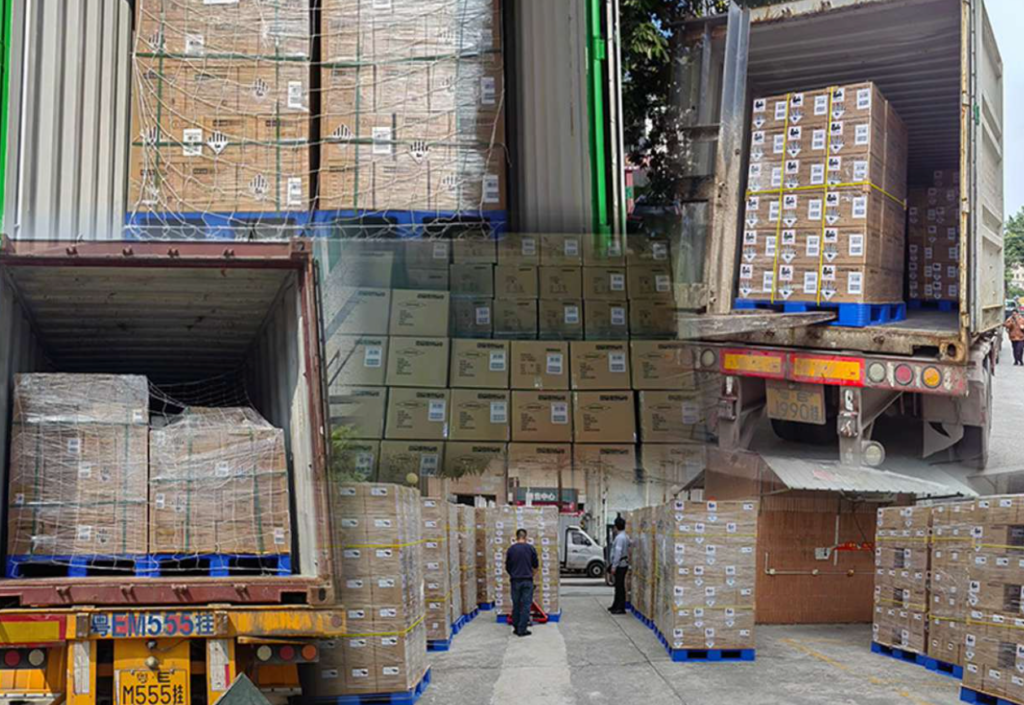
I have seen firsthand how global events ripple through the supply chain, causing chaos. It is not just one thing; many factors work together. The world keeps changing, and these changes make planning hard. Global supply chains have entered an era of "structural volatility," and supply chain disruption is the new normal, with nearly 80% of organizations experiencing at least one disruption annually. When I work with clients, they often express surprise at how fragile the global supply network can be. It often feels like a house of cards. Here are some of the main supply chain factors I see contributing to this unpredictability.
Geopolitical Instability and Trade Policies
Global politics greatly affect how goods move. Geopolitical tensions continue to be the number one risk factor disrupting global supply chains in 2026. Trade wars, tariffs, and regional conflicts (like the Red Sea crisis or the severe disruption caused by the closing of the Strait of Hormuz in early 2026) can suddenly close borders or make shipping impossible. These actions create instant bottlenecks. When I speak with our logistics partners, they often highlight how these unpredictable policy changes force them to reroute shipments, which costs time and money. War risk insurance premiums have also skyrocketed. It creates a domino effect. For example, a new import duty can halt a shipment for weeks as companies figure out how to pay or re-negotiate. Tariff volatility has fundamentally reshaped the trade landscape, with 72% of trade professionals identifying U.S. tariff volatility as the most impactful regulatory change in 2026, leading companies to change sourcing patterns, renegotiate contracts, and consider nearshoring. This uncertainty makes forecasting nearly impossible.
Raw Material and Component Shortages
One major reason for delays is a lack of basic materials or key components. I have seen this issue hit our industry hard. Shortages of raw materials and electronic components persist in 2026, driven by geopolitical tensions, increased demand (e.g., AI infrastructure, automotive electrification), and concentrated manufacturing. If a specific chip or rare earth metal is suddenly scarce, production stops. For instance, the global electronic component market entered 2026 under significant pressure, with DRAM prices surging and MCU lead times stretching to crisis-era levels; High Bandwidth Memory (HBM) is reportedly sold out through the end of 2026. My team constantly monitors the availability of top-tier global components because we know how crucial they are. A single missing part can bring an entire production line to a standstill. This problem is especially true for specialized electronics. Semiconductor shortages remain a defining issue, with demand outpacing supply in a vital but unpredictable market expected to reach $697 billion in 2026. Specific materials facing shortages and price increases include copper, lithium, rare earths, tungsten, and a severe oil shortage in early 2026 has sent raw material prices for plastics soaring, with some grades seeing price hikes exceeding 40%.
Logistical Bottlenecks and Infrastructure Strain
Ports get congested. Shipping containers become scarce. Truck drivers are in short supply. These are all common issues. I often hear about ships waiting for weeks to unload. The world’s transport infrastructure simply struggles to keep up with demand. When I look at the cost analysis for our projects, shipping costs and times are often the most volatile variables. This can happen at any point:
- Port Congestion: Container port congestion remains a defining feature of the 2026 shipping environment, with over 80% of tracked ports worldwide experiencing elevated levels, and 60-70% facing severe congestion. Average vessel wait times can range from minimal to over 45 days in extreme outliers, with persistent delays in Europe and the Americas, and severe disruption in the Middle East.
- Container Availability: The 2026 shipping container market is characterized by fluctuating prices and uneven availability, with global disruptions and trade route instability affecting supply. While global fleet capacity is growing, regional shortages may still occur.
- Labor Shortages: The trucking industry continues to face a significant nationwide truck driver shortage in 2026, exacerbated by an aging workforce, high turnover rates, and regulatory requirements. This shortage leads to reduced freight capacity, increased transit times, and higher transportation costs, not to mention issues with dockworkers or warehouse staff.
Fluctuating Demand and Forecast Errors
Consumer demand can change very quickly. During peak seasons, demand can surge unexpectedly. Businesses might struggle to scale production fast enough. Economic forecasts point to continued volatility through 2026, leading to uncertainty around volumes, inventory levels, and capacity needs. On the other hand, a sudden drop in demand can lead to excess inventory, which still creates problems. Demand can contract or rebound faster than logistics networks can adapt. Accurate forecasting is tough, even with the best data. My team works hard to offer market and investment insights to our clients. This helps them make smarter purchasing decisions. But external factors can always throw a wrench in the works.
What Causes Production Delays in Electronics Manufacturing?
Are you wondering why your electronics product is taking longer to produce than expected? Many manufacturing processes face unexpected hurdles.
Production delays in electronics manufacturing often arise from component shortages, strict quality control processes, complex assembly, equipment breakdowns, and insufficient skilled labor, each adding time to the production cycle.
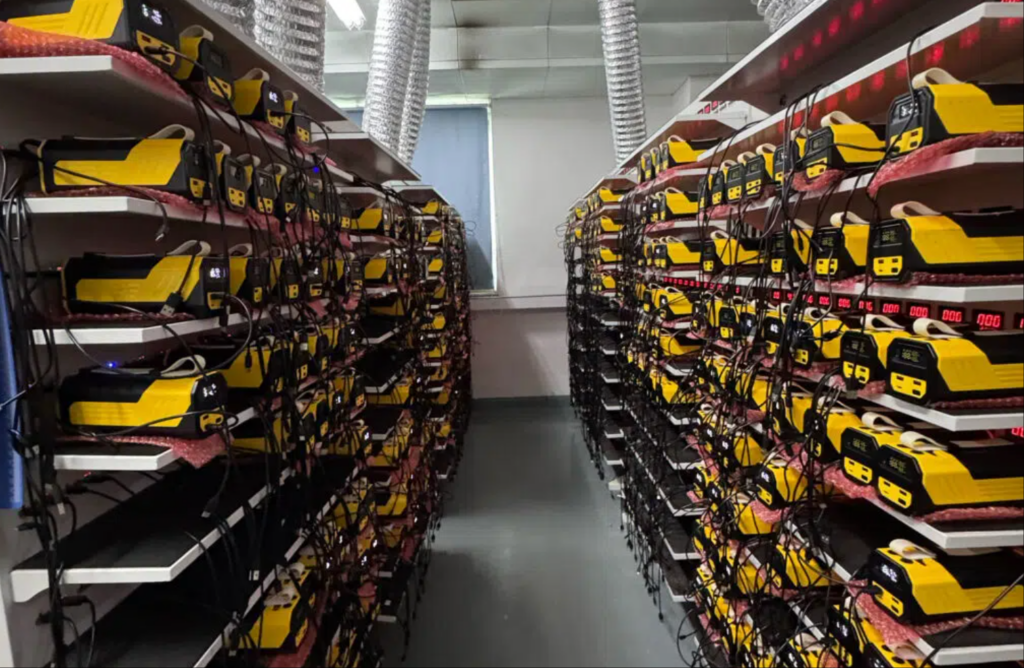
I know the precision and speed needed in electronics manufacturing. It is a complex process. Even with the best plans, things can go wrong. My experience in power bank and charging solutions manufacturing has shown me many common pitfalls. Each step in the production line has its own set of challenges. We focus on optimizing every step, from design to mass production. This helps us avoid these issues for our clients.
Component Sourcing and Lead Times
Getting the right parts is often the biggest headache. I have personally seen projects stalled because one tiny, specialized component was unavailable. The global electronics market relies on a web of suppliers. If one supplier has an issue, it affects everyone down the line. As noted, the semiconductor industry is a vital but unpredictable market in 2026. We address this by only selecting top-tier global components and building robust supply chains. This helps ensure material availability for our OEM/ODM projects. Even so, unexpected events can disrupt the best plans.
Quality Control and Rework
Ensuring high quality is crucial, especially for electronics. My team’s strict quality control process involves multiple inspection points. This can add time. If products do not pass inspection, they need rework or re-testing. This effort takes extra time and resources. For example, our internal audits and third-party evaluations are thorough. While this prevents faulty products from reaching the market, it means we must build in buffer time for potential reworks. A focus on quality means sometimes taking longer to get it right.
Manufacturing Complexity and Bottlenecks
Electronics assembly is intricate. It involves many delicate steps. Each step must happen in the correct sequence. A delay in one area can hold up the entire line. For example, surface-mount technology (SMT) processes are highly automated but still require careful setup and monitoring. If a machine breaks down, the whole line stops. Identifying and resolving these bottlenecks is part of our optimized production process. We aim for precision and speed at every step.
Design Changes and Iterations
Sometimes, designs change during production. Clients might request modifications based on market feedback or new features. These changes can cause significant delays. Each change requires new prototypes, new tooling, and re-testing. My team offers free full-cycle project support. This includes feasibility studies early on. This helps minimize late-stage design changes. But even with careful planning, adaptations can be necessary and will impact timelines.
Labor Availability and Skill Gaps
Having enough skilled workers is critical. In electronics manufacturing, specialized skills are often needed. A shortage of trained staff can slow down production. Training new staff also takes time. My company ensures our teams are well-trained and efficient. But local labor market conditions can still be a factor. Automation helps, but human expertise is still very much needed for many tasks.
| Delay Cause | Impact on Production | Prevention Strategy (EverGreat Approach) |
|---|---|---|
| Component Shortages | Halt production, increase lead times | First-class supply chain, resource sourcing, supplier diversification. |
| Quality Issues | Rework, re-testing, higher scrap rates | Strict quality control, continuous improvement, early defect detection. |
| Equipment Downtime | Production halts, missed deadlines | Regular maintenance, backup machinery, skilled technical support. |
| Design Changes | Reworks, re-tooling, extended timelines | Feasibility studies, clear communication, early product consultation. |
| Labor Shortages/Skill Gaps | Slower output, quality inconsistencies | Skilled workforce, comprehensive training, process optimization, automation. |
Why Shipping Delays Are Still Happening — And What Buyers Can Do About It?
Are your ordered goods stuck in transit, leaving you wondering why shipping is still so slow? Many buyers face this frustrating reality.
Shipping delays persist due to ongoing global port congestion, container shortages, customs backlogs, carrier capacity limitations, and last-mile delivery challenges, all of which complicate the smooth movement of goods.

I hear from many clients about shipping issues. It feels like we just solve one problem, and another pops up. Even with advancements in logistics, getting goods from point A to point B is not always simple. Supply chain disruption is the new normal, with events lasting over a month occurring every 3.7 years on average, and nearly 80% of organizations experiencing at least one disruption annually. My focus is on providing comprehensive OEM/ODM solutions. This includes navigating these logistical challenges for our clients. We know fast delivery and stable supply are critical for wholesalers, distributors, and e-commerce sellers. Here are the main reasons I see shipping delays still happening and what steps buyers can take to mitigate them.
Port Congestion and Terminal Delays
Ports remain major choke points. Container port congestion remains a defining feature of the 2026 shipping environment, with over 80% of tracked ports worldwide experiencing elevated levels, and 60-70% facing severe congestion. Too many ships arrive at once, and there are not enough berths or staff to unload them quickly. This creates long waiting times for vessels. I have seen reports of ships waiting for weeks outside major ports, with average vessel wait times able to range from minimal to over 45 days in extreme outliers. Port congestion remains uneven in April 2026, with persistent delays in Europe and the Americas, and severe disruption in the Middle East. This issue is often made worse by disruptions like weather events or labor disputes. When a ship waits, your cargo waits too.
Container Shortages and High Freight Costs
Getting a shipping container can be tough. The 2026 shipping container market is characterized by fluctuating prices and uneven availability, with global disruptions and trade route instability affecting supply. While global fleet capacity is growing, regional shortages may still occur. This drives up freight costs significantly. Ocean freight rates in 2026 are expected to remain volatile but more predictable than in previous years, though periodic spikes driven by capacity withdrawals, port congestion, or geopolitical events are still expected. Air freight rates are expected to stabilize but remain elevated compared to pre-crisis levels. These high costs mean some companies might choose slower, cheaper shipping methods. Or they might wait for better rates, which causes delays. My team constantly evaluates shipping options to balance cost and speed for our clients.
Customs and Regulatory Hurdles
Clearing customs can be a slow process. New regulations, increased scrutiny, or unexpected paperwork can hold up shipments. Each country has its own rules. Ensuring all certifications, like CE, FCC, or RoHS, are in place is vital. My company makes sure all products meet international standards. This smooths the customs process for our clients. But even with everything correct, customs checks can still take time.
Carrier Capacity Limitations
Shipping companies have limited capacity. This includes airlines, ocean carriers, and trucking companies. During peak seasons or after a disruption, demand for space can exceed supply. The significant nationwide truck driver shortage in 2026, for example, contributes to reduced freight capacity and increased transit times. This leads to higher prices and longer transit times. Smaller packages might get prioritized over larger ones, or vice versa, depending on the carrier’s strategy. This issue is a constant challenge.
Last-Mile Delivery Challenges
Even if a shipment clears customs and arrives at a local hub, the final leg can still cause delays. This is called "last-mile delivery." It remains the most expensive, complex, and failure-prone segment of the entire delivery chain, accounting for up to 53% of total shipping costs. Issues here include:
- Driver Shortages: Not enough delivery drivers to handle the volume, exacerbated by high labor turnover.
- Traffic Congestion: Especially in urban areas, expected to rise by over 21% by 2030 in top cities.
- Warehouse Backlogs: Local sorting facilities get overwhelmed.
- Customer Availability: If the recipient is not home, redelivery attempts take time. Failed first-attempt deliveries are a significant issue, costing an average of $1.47 per failed attempt and contributing to an annual US cost of last-mile inefficiency of $17.2 billion. Customer expectations for speed, visibility, and convenience are high, valuing reliability, transparent tracking, and flexible options. Companies are using AI for route optimization, predictive maintenance, and real-time tracking to address these challenges.
What Buyers Can Do:
- Plan Ahead: Order much earlier than needed. Build in extra buffer time.
- Communicate Clearly: Maintain open communication with your supplier. Ask for updates regularly.
- Choose Reliable Partners: Work with manufacturers like EverGreat who understand global logistics. We offer support and insights.
- Consider Alternative Shipping: Explore air freight for urgent shipments, though it costs more.
- Review Incoterms: Understand who is responsible for each part of the shipping process. This prevents disputes.
Conclusion
Delivery delays are complex, stemming from supply chain, production, and shipping issues. Understanding these causes helps buyers prevent problems. My company, EverGreat, offers robust solutions to navigate these challenges. Geopolitical uncertainty is encouraging a move toward regionalization, nearshoring, and expanding supplier networks to reduce concentration risk and build more resilient supply chains. Furthermore, AI, automation, and advanced analytics are becoming crucial for managing supply chain disruptions, enhancing operational efficiency, mitigating risks, and building resilience for the future.