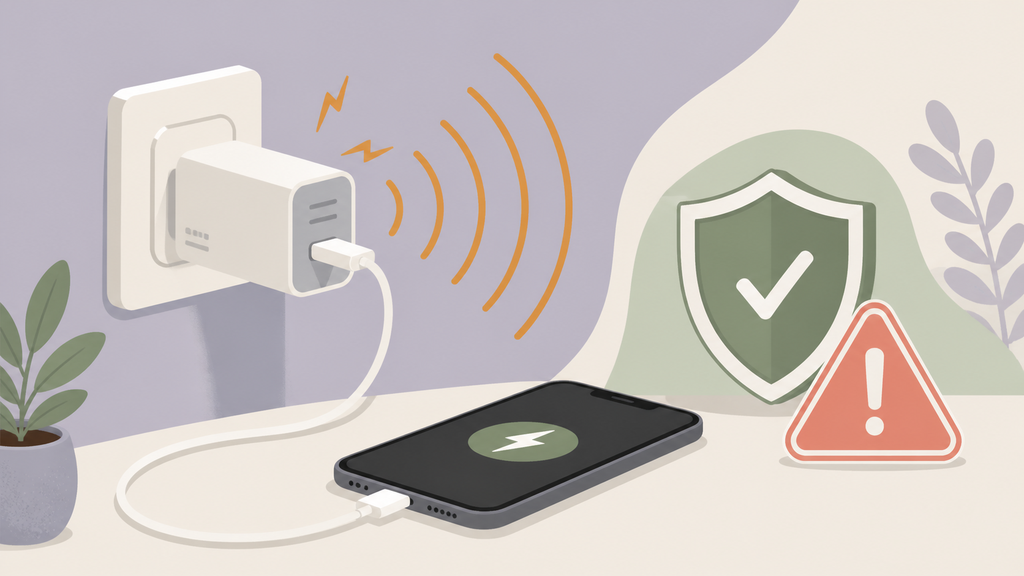
A charger sits in the wall all day. It feels harmless, but buyers still ask about heat, waste, and fire risk.
It is usually safe to leave a good charger plugged in without a phone, but it still uses small standby power and can become risky if it is damaged, counterfeit, hot, loose, wet, or poorly certified. Unplug questionable chargers and inspect warm outlets.

I often hear this question from users and private-label buyers. The charger may be doing almost nothing, but its connection to mains power makes the question worth answering carefully.
Does A Charger Use Electricity When Nothing Is Connected?
Yes, most chargers use a small amount of standby power even when no phone is connected.
A charger can use electricity while plugged in because its internal power supply remains ready. The amount is usually small in modern chargers, but poor designs may waste more energy and create unnecessary heat over time.

A wall charger is not a simple wire. It has a power conversion circuit that turns AC power from the outlet into DC power for a device. Even when no phone is connected, part of the circuit may stay awake so the charger can detect a device quickly.
This standby consumption is sometimes called vampire power. The U.S. Department of Energy discusses standby power as electricity used by devices when they appear off or idle.1 For one charger, the cost may be small. Across millions of chargers, the waste becomes more meaningful.
| Charger condition | Likely standby behavior | Buyer concern |
|---|---|---|
| Modern certified charger | Low standby power | Usually acceptable |
| Cheap no-name charger | Unknown standby loss | Test before sourcing |
| Warm while idle | Possible inefficiency | Stop and inspect |
| Buzzing while idle | Component or coil noise | Replace if persistent |
| Damaged housing | Safety risk | Do not use |
In my experience, the energy question often leads to a quality question. A good charger should not feel hot when idle. It may feel slightly warm under load, but idle heat is a warning sign. Heat means wasted energy and possible component stress.
For brands, standby performance is part of product quality. A buyer may focus on charging wattage because it is easy to sell. But a charger also spends many hours plugged in without a phone. If the design wastes power or uses weak components, the customer may notice heat, smell, or noise during everyday use.
Standby power also affects regulatory planning. Markets may have energy efficiency requirements for external power supplies and battery chargers. Buyers should not treat efficiency as a marketing bonus. It can affect legal access, documentation, and retail approval.
I would ask suppliers for real standby power measurements. Do not accept only “low power” in a product sheet. Ask how it was measured, under what voltage, and whether samples match mass production.
For users, the practical answer is simple. If the charger is high quality, undamaged, and cool when idle, leaving it plugged in is usually not a major issue. If it becomes warm, loose, noisy, or damaged, unplug it and replace it.
For buyers, I would also compare samples after several idle days. Some weak designs look fine during a short inspection, then reveal heat, noise, or unstable behavior after long no-load use.
When Can An Idle Charger Become Unsafe?
An idle charger becomes unsafe when the charger, outlet, plug, or surrounding environment creates heat, arcing, moisture, or electrical stress.
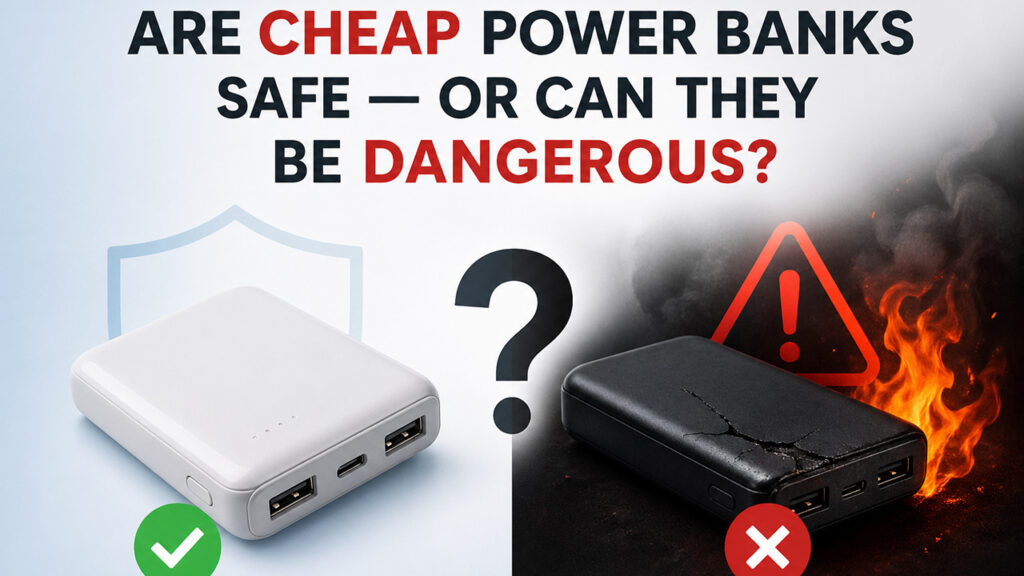
An idle charger can become unsafe if it is counterfeit, poorly built, damaged, overheated, exposed to moisture, plugged into a loose outlet, or used with a damaged extension cord. Heat, smell, sparks, buzzing, or discoloration are warning signs.
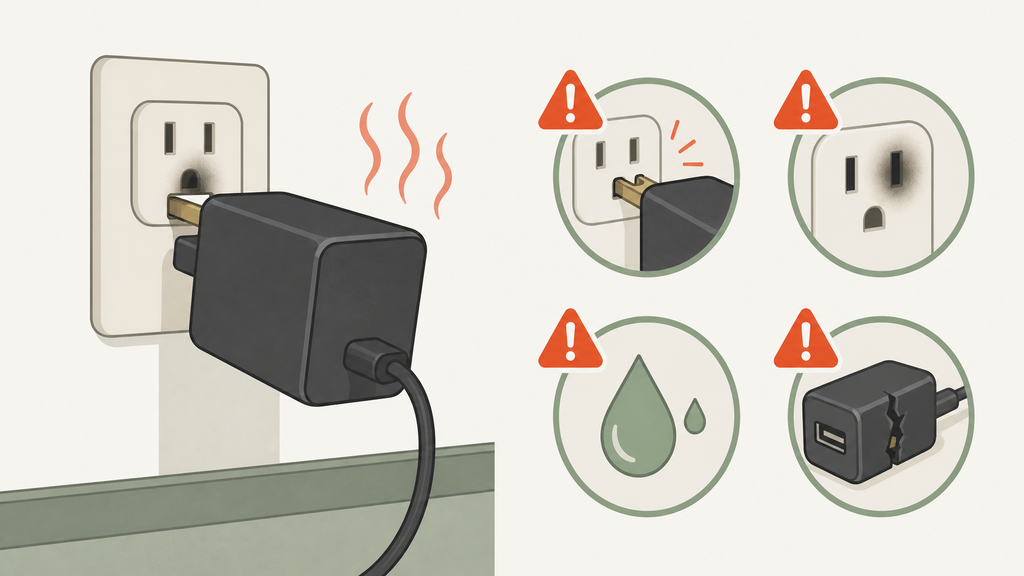
The safety risk is not that every plugged-in charger will fail. The risk is that a weak charger stays connected to household power for long periods. Time gives small problems more opportunity to become visible.
Electrical safety organizations advise users to watch for damaged cords, overloaded outlets, and unsafe electrical conditions.2 A charger is part of that environment. If the wall outlet is loose, the plug contacts may arc. If the charger shell is cracked, insulation may be compromised. If the charger was exposed to water, it should not be trusted.
| Warning sign | What it may mean | What to do |
|---|---|---|
| Hot charger with no load | Inefficient or failing circuit | Unplug |
| Burning smell | Material or component failure | Stop using |
| Crackling or sparks | Poor contact or outlet fault | Inspect outlet |
| Loose plug fit | Worn receptacle or weak prongs | Use another outlet |
| Brown marks | Heat or arcing | Replace and investigate |
Counterfeit and uncertified accessories also matter. Apple warns that counterfeit or uncertified accessories may create charging problems and device issues.3 For wall chargers, the concern can go beyond device damage because the product connects to mains electricity.
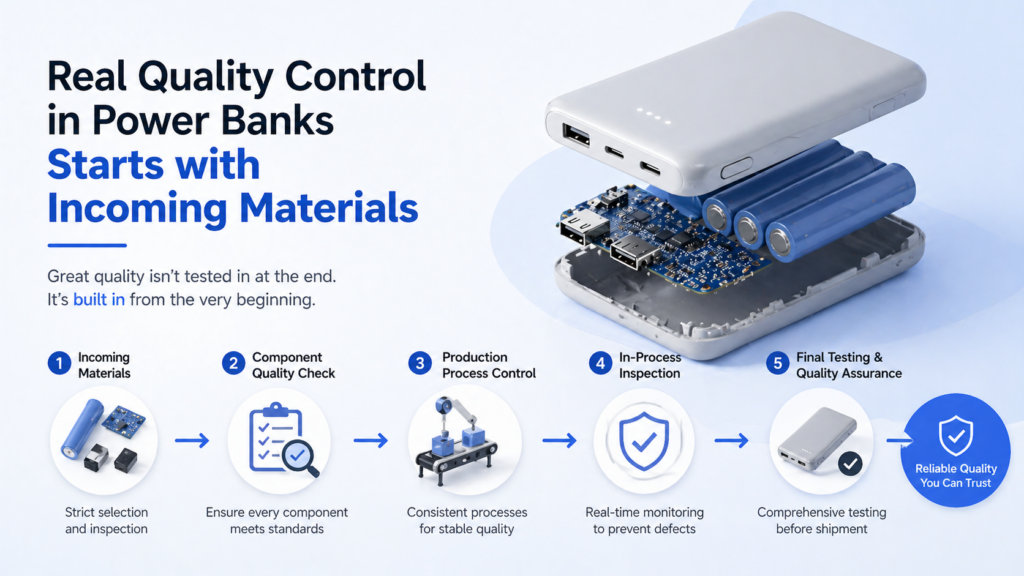
For B2B buyers, charger safety starts before branding. Sample reviews should include internal inspection, thermal testing, plug-fit checks, aging tests, and certification review. A charger can look excellent outside and still use weak internal components.
I often tell new brands not to treat charger sourcing like buying a plastic accessory. A wall charger is an electrical product. The supplier should understand isolation, safety spacing, heat rise, EMC, labeling, and market documents. If the supplier cannot answer these questions clearly, the risk is not worth the small savings.
The environment also matters. A charger behind a bed, under a blanket, in a bathroom, or in a dusty power strip faces worse conditions. Airflow is lower. Moisture or debris may be higher. A normally safe product can be used in an unsafe way.
For support teams, the message should be calm but firm. Users do not need to panic about every plugged-in charger. They should remove damaged, hot, loose, wet, or strange-smelling chargers from service.
What Should Charger Brands Test Before Selling?
Brands should test standby power, heat, plug fit, insulation, certification documents, and real-world idle behavior before selling chargers.
Before selling wall chargers, brands should verify standby power, no-load temperature, loaded temperature, plug retention, safety certification, EMC compliance, labeling, and long idle aging. These checks reduce complaints about heat, wasted energy, buzzing, and safety.
The first test I would add is no-load heat. Plug the charger in with no device attached and monitor it over time. A stable high-quality charger should not become concerningly warm. Then test loaded operation at rated output because some chargers behave well idle but heat under stress.
| Test item | Why it matters |
|---|---|
| Standby power | Reduces energy waste claims |
| No-load heat | Catches inefficient idle design |
| Full-load heat | Confirms safe rated output |
| Plug retention | Reduces arcing and loose contact |
| Certification review | Supports market access |
USB-C chargers add another layer. USB-IF maintains USB compliance programs and helps define how USB products should behave.4 For private-label USB-C chargers, buyers should confirm the product follows the required charging protocol behavior and that claims on packaging match the actual design.
Documentation matters as much as samples. I have seen good-looking samples fail later because reports did not match the final product. A buyer should check model numbers, plug type, label information, rated input/output, and factory consistency. A certification report is useful only if it belongs to the same product being shipped.
Retailers also care about support language. If the manual says nothing about idle use, customers may guess. Better wording explains that the charger may remain plugged in if it is undamaged and cool, but users should unplug it during storms, travel, long absences, or if any warning signs appear.
For EverGreat projects, I prefer to define charger behavior in the product brief early. Does the customer need compact GaN, multi-port charging, travel plugs, promotional pricing, or premium retail positioning? Each path changes thermal design, certification cost, and quality control.
The cheapest charger is rarely the safest business decision. A charger sits inside the customer’s home every day. If it makes them nervous when no phone is connected, the product has already failed part of the user experience.
This is why I prefer simple claims. A charger can be compact, fast, and affordable, but it still needs to feel quiet, cool, and trustworthy when nothing is connected.
Conclusion
A good idle charger is usually safe, but heat, damage, loose outlets, poor certification, or unknown quality are reasons to unplug it.
-
The U.S. Department of Energy explains standby power through its Energy Saver resources. ↩
-
The Electrical Safety Foundation International provides home electrical safety guidance through its home safety resources. ↩
-
Apple explains risks from counterfeit or uncertified accessories in its accessory identification guidance. ↩
-
USB-IF provides USB compliance information through its official compliance resources. ↩