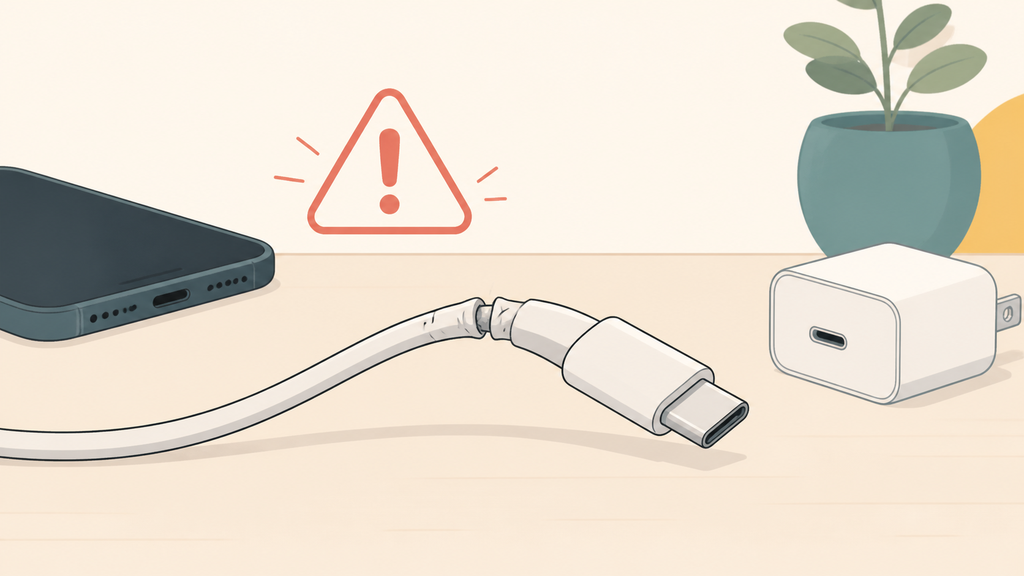
A charger that buzzes can feel worrying. Some sounds are harmless coil vibration, but other sounds point to heat, overload, or poor quality.
A charger may buzz because internal components vibrate under electrical load. A faint sound can be normal, but loud buzzing, heat, smell, flickering charging, or a damaged adapter means you should stop using it and check the charger.

I have seen buyers dismiss buzzing as a small detail because the charger still works. Users do not see it that way. A strange sound near a wall outlet creates instant doubt, especially if the charger is used near a bed, desk, or child.
Is A Buzzing Charger Dangerous?
A soft buzz is not always dangerous, but a loud or changing sound should be treated as a warning sign.
A buzzing charger may be safe if the sound is faint and the charger stays cool. It becomes risky when the sound is loud, new, irregular, combined with heat, burning smell, flickering power, or repeated charging interruptions.

Many power adapters contain components that switch power at high frequency. Under certain loads, magnetic parts such as transformers or inductors can vibrate slightly. Users may hear this as a faint buzz, hum, or whine. This does not automatically mean the adapter will fail.
The problem is that users cannot see inside the adapter. They only hear the sound. That means the brand must treat noise as both an engineering issue and a trust issue. A charger that is technically safe but audibly annoying may still create bad reviews.
The first test is simple: does the charger stay cool, stable, and quiet enough during normal use? If the buzz becomes louder when the phone starts fast charging, there may be load-related vibration. If the buzz continues with no device connected, or if the adapter becomes hot, the risk is higher.
| Buzzing condition | Likely meaning | User action |
|---|---|---|
| Very faint sound under load | Possible normal component vibration | Monitor |
| Loud buzz near outlet | Possible quality or load issue | Stop and inspect |
| Buzz plus heat | Thermal or electrical stress | Stop using |
| Buzz plus smell | Material or component failure | Disconnect safely |
| Buzz plus start-stop charging | Unstable output | Replace or test |
Safety organizations often warn consumers to stop using electrical products that show unusual heat, odor, or damage. The Electrical Safety Foundation International advises users to watch for warning signs such as damaged cords, warm outlets, and unusual electrical behavior.1 A buzzing charger should be judged in that wider safety context.
For B2B buyers, noise testing should be part of sample review. It is not enough to test whether the charger reaches the promised wattage. A charger should also be comfortable to use in quiet environments. If the product will be sold as a bedside charger, travel charger, or office charger, audible noise matters even more.
What Causes Charger Buzzing Or Whining?
Buzzing usually comes from component vibration, poor transformer design, unstable load, weak assembly, or low-quality materials.
Charger buzzing often comes from coil whine, transformer vibration, loose internal parts, poor soldering, high load, unstable input power, or a charger design that was not tuned well for real phone charging conditions.
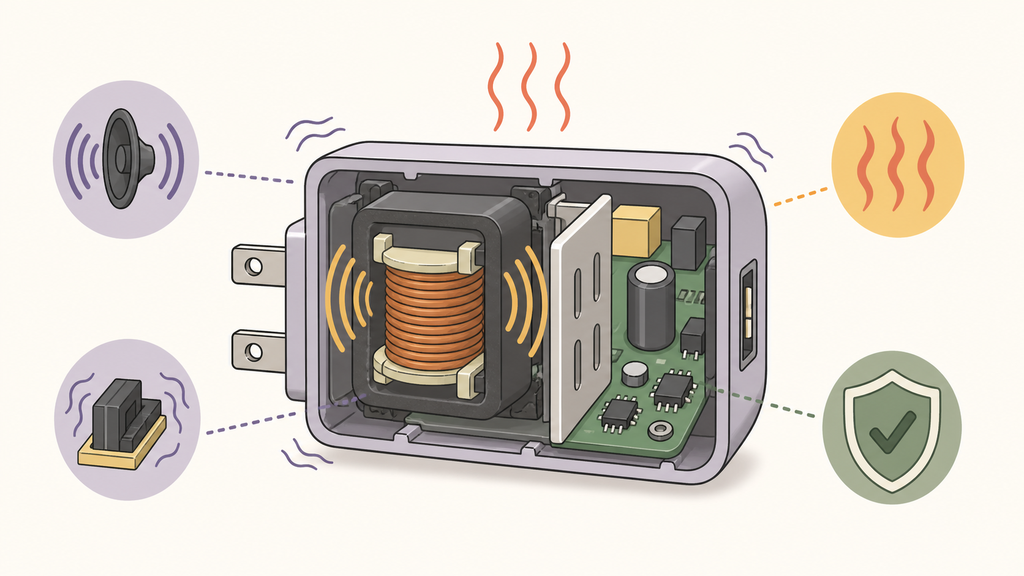
Inside a charger, AC power from the wall is converted into DC power for the phone. In compact fast chargers, that conversion happens in a small space with high switching frequency. If the magnetic components, PCB layout, adhesive, enclosure, or control circuit are weak, vibration can become audible.
In my experience, three situations create the most complaints. The first is low-load noise. The charger buzzes when plugged in but not charging. The second is fast-charge noise. The charger becomes louder when the phone requests higher power. The third is intermittent noise. The sound changes as the phone negotiates charging or as the adapter warms up.
Cheap components can make the issue worse. A transformer with poor winding, insufficient potting, or weak mechanical fixing may vibrate more. A poorly designed PCB may create electrical stress. A loose enclosure can amplify small internal vibration like a speaker box.
| Cause | What the user notices | Manufacturing concern |
|---|---|---|
| Coil or transformer vibration | High-pitched whine | Component selection |
| Loose internal part | Rattling or uneven buzz | Assembly control |
| Overloaded adapter | Buzz plus heat | Wrong power rating |
| Poor input quality | Buzz changes by outlet | Tolerance design |
| Weak enclosure | Sound feels amplified | Mechanical design |
Certification and compliance do not always guarantee silence, but they do matter for safety and market access. USB-IF compliance resources help USB products follow defined standards and reduce interoperability problems.2 For wall-powered electronics in the U.S., FCC equipment authorization may also be relevant depending on the design.3 Buyers should not treat a quiet sample with no documentation as automatically better than a documented product.
The best supplier response is specific. If a buyer asks about buzzing, a good supplier can explain the transformer, switching frequency, load test, thermal behavior, and acceptable sound level. A weak supplier only says “normal.” Sometimes it is normal. But the explanation should still be professional.
For EverGreat projects, I like to test chargers in a quiet room, at different loads, and after warm-up. A charger that sounds fine in a noisy factory may become annoying in a bedroom. That small detail can affect product reviews.
How Should Buyers Test A Charger For Noise?
Buyers should test buzzing under no-load, normal load, fast-charge load, warm conditions, and with the intended cable and device.
To test charger noise, plug it in with no device, charge different phones, test fast charging, listen after 30 minutes, check heat, try another outlet, and reject samples with loud, unstable, or heat-related buzzing.
Noise testing is simple, but many buyers skip it. They focus on output wattage, appearance, and price. Then the product reaches customers who use it in quiet rooms. That is when a small buzz becomes a big support issue.
I recommend a structured test. First, plug in the charger with no device. Listen from normal user distance, not with your ear pressed against the shell. Then connect a phone with low battery because that often triggers higher charging power. After that, test another device and cable. If the sound changes dramatically, the charger may be sensitive to load conditions.
Thermal testing should run at the same time. A warm charger is normal. A hot charger with buzzing is not. If the shell becomes uncomfortable to touch, reject the sample. If the sound grows louder as the charger warms, ask the supplier to review component fixing and thermal design.
| Test step | Why it matters |
|---|---|
| No-load listening | Finds standby buzzing |
| Low-battery phone | Triggers higher power |
| Different cable | Checks system behavior |
| 30-60 minute run | Reveals warm-up noise |
| Quiet room test | Matches bedroom and office use |
| Outlet comparison | Separates charger from local power issue |
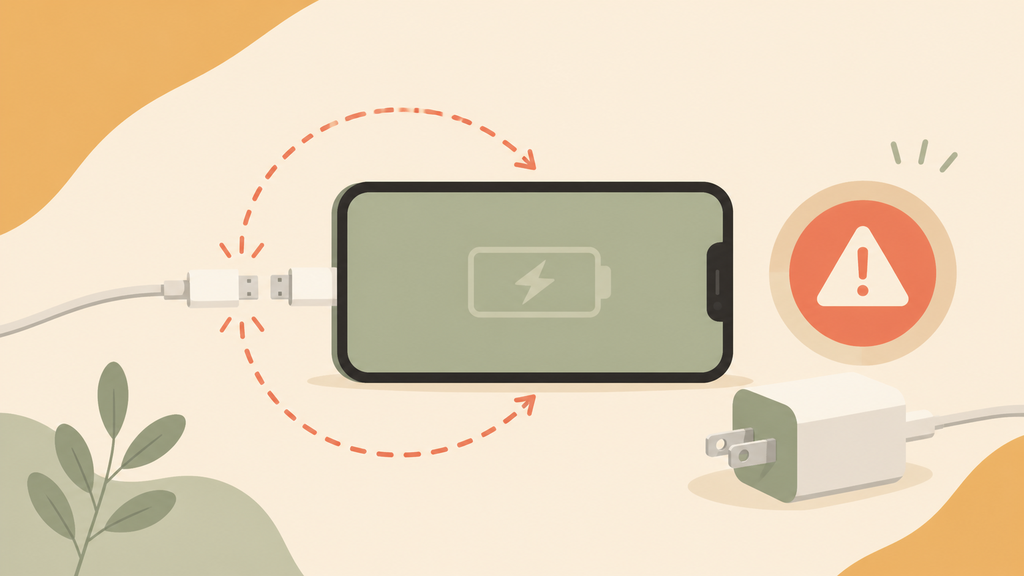
Support guidance should also be clear. Users should unplug a charger that buzzes loudly, smells strange, gets hot, sparks repeatedly, or causes charging to stop and start. They should not open the charger. Wall chargers contain parts connected to mains power, and opening them is unsafe.
For private-label buyers, I recommend writing an internal standard for acceptable sound. It does not need to be complex at first. Define a quiet-room listening distance, test devices, load condition, and rejection rule. This gives the supplier a real target.
Buzzing is not only a sound problem. It is a signal that users notice. A charger that feels calm, quiet, and stable creates more trust than a charger that needs excuses.
I also like to compare several units from the same batch. One quiet sample does not prove the whole batch is quiet. If two or three units buzz loudly while others are silent, the issue may be assembly consistency. If every unit has the same faint sound, the issue may be design-related and can be judged against the target use case. This difference matters before approving mass production.
Brands should also train support teams not to overpromise. A support reply can say that a faint sound may occur in some adapters, but users should stop using the charger if the sound is loud, new, paired with heat, or changes suddenly. That is clearer than simply saying “it is normal.”
Conclusion
A faint buzz can be normal, but loud noise, heat, smell, or unstable charging should never be ignored.
-
The Electrical Safety Foundation International provides consumer guidance on electrical warning signs through its home electrical safety resources. ↩
-
USB-IF provides official USB compliance resources for USB products and interoperability. ↩
-
The FCC provides equipment authorization information through its RF device authorization resources. ↩