Are you worried about your power bank losing power too fast? Many people just put their power banks anywhere, but this can really hurt them. A little care in storage can make your power bank last much longer.
Storing your power bank in a cool, dry place is best. Keep it away from direct sunlight, liquids, high temperatures, and any heat sources. It is also important to store it out of children’s reach to prevent accidents.
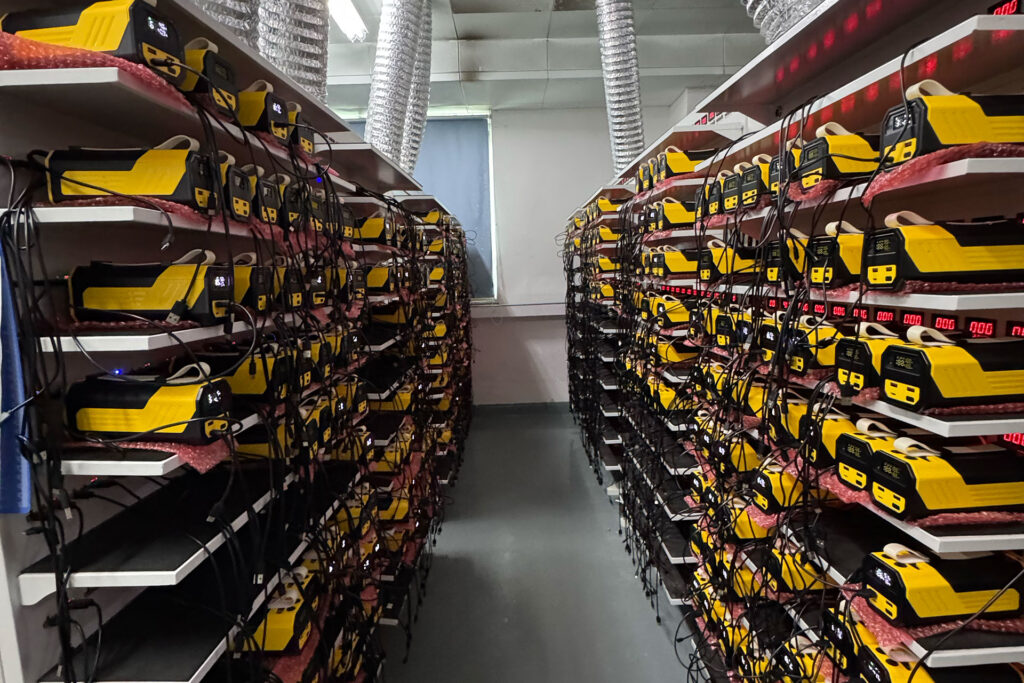
Knowing how to store your power bank at home is not just about keeping it safe. It is also about making sure it works well when you need it most. Let’s look at some common questions about power bank storage.
Is it Okay to Store a Power Bank in a Drawer or Cabinet?
Do you ever just toss your power bank into a drawer or cabinet? While this seems easy, it might not always be the best choice. Storing it the wrong way can slowly damage your device over time.
Yes, storing a power bank in a drawer or cabinet is often fine, as long as the space is cool, dry, and clean. Make sure the area has stable temperatures and no direct sunlight or humidity to keep your power bank safe.
Choosing the Right Spot in Your Home
When I look for a storage spot, I always think about the environment. Not all drawers or cabinets are equal. Some places are better than others for your power bank.
Many people keep their power banks in handy spots like desk drawers or kitchen cabinets. These places are usually good because they protect the power bank from dust and physical damage. However, you must consider the conditions inside. My own experience taught me that a drawer next to a window that gets direct sun in the afternoon is a bad idea. I once left a power bank there, and it felt warm to the touch. It made me realize that even inside a cabinet, external heat sources can be an issue.
It is important that the drawer or cabinet is not too hot or too cold. The ideal storage temperature for lithium-ion batteries is between 5°C and 25°C (41°F and 77°F). Storing above 30°C (86°F) increases self-discharge and capacity loss. Some sources specify an even narrower range, such as 15°C to 25°C (59°F to 77°F) or 20°C (68°F). You should also check for humidity. Bathrooms, for example, often have high humidity, which is not good for electronics. A relative humidity below 50% to 60% is recommended to prevent condensation and corrosion. A dry environment prevents moisture from getting inside the device and causing damage. A simple rule I follow is: if I would not store important papers there because of heat or dampness, I will not store my power bank there either. A clean space also stops dust from getting into the ports, which can cause connection problems later.
Here is a quick guide for choosing a storage spot:
| Feature | Ideal Storage Spot | Avoid These Spots |
|---|---|---|
| Temperature | Cool and stable (5°C – 25°C / 41°F – 77°F) | Hot attics, cold garages |
| Humidity | Dry (Below 60% Relative Humidity) | Bathrooms, basements |
| Light | Dark | Direct sunlight |
| Cleanliness | Dust-free | Dusty shelves, open areas |
| Safety | Out of reach | Near children or pets |
Can Heat or Sunlight Damage a Power Bank During Storage?
Have you ever left your phone in the sun and felt how hot it got? The same thing happens to power banks, and it is a big problem. Ignoring heat and sunlight can severely shorten your power bank’s life.
Yes, direct heat and sunlight can significantly damage a power bank during storage. High temperatures cause the lithium-ion battery cells to degrade faster, leading to reduced capacity, shorter lifespan, and potential safety risks like swelling or overheating.
The Dangers of Heat and UV Rays
I have seen power banks become unreliable due to poor storage. Understanding how heat and sunlight affect these devices is key to protecting them.
Power banks use lithium-ion batteries. These batteries are very sensitive to heat. When a power bank gets too hot, the chemical reactions inside speed up. This process makes the battery lose its ability to hold a charge much faster than it normally would. My insights show that keeping your power bank away from direct sunlight, liquids, high temperatures, and any heat sources is crucial. I once made the mistake of leaving a power bank in my car on a hot day. When I picked it up, it was very warm. Afterward, it never held a charge as well as it did before. This experience taught me a valuable lesson about ambient temperature.
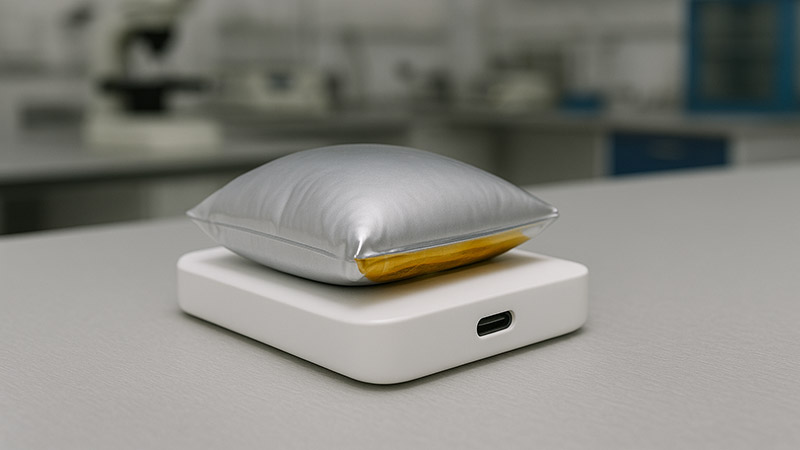
Direct sunlight is a double threat. It brings heat, and it also contains UV rays. While UV rays are more damaging to plastics and external components over a long time, the heat they bring is the immediate danger. High temperatures accelerate chemical reactions, leading to faster capacity loss and a shorter lifespan. A study showed that batteries stored at 55°C lost 10% capacity in just 6 months. High temperatures cause the electrolyte inside the battery to break down, forming gases and increasing internal pressure. This can lead to the battery swelling, which is a serious safety concern. In extreme cases, a swollen battery can even catch fire. That is why it is so important to store it out of children’s reach, as improper handling or exposure to heat can pose significant safety risks. A safe environment protects both your home and your power bank.
Here is a breakdown of how heat damages power banks:
- Accelerated Degradation: Heat causes the internal components of the battery to break down faster. This means your power bank will hold less charge over time.
- Reduced Lifespan: A power bank stored in hot conditions will not last as many charge cycles as one stored in a cool place. Its overall lifespan will be shorter.
- Capacity Loss: Even if it still works, the total amount of energy it can store will decrease.
- Swelling Risk: High temperatures can cause gases to build up inside the battery, leading to a swollen casing. This is a sign of serious damage and a potential fire hazard.
- Safety Hazard: Overheating can also lead to thermal runaway, where the battery keeps getting hotter until it catches fire or explodes.
Should a Power Bank Be Stored Fully Charged or Half Charged?
Do you plug in your power bank and then forget about it, leaving it at 100%? Or do you let it run down completely before putting it away? The charge level you store your power bank at makes a big difference.
For optimal long-term storage, a power bank should be stored with a charge level between 40% and 60%. Storing it fully charged can stress the battery, while storing it completely empty can lead to deep discharge, both of which reduce its lifespan and capacity.

The Ideal Charge for Longevity
Getting the charge level right for storage is a simple step that has a big impact on your power bank’s health1. I learned this through careful observation of how different devices respond to storage.
Lithium-ion batteries, which are in most modern power banks, are happiest when they are not at their extreme charge levels for long periods. Storing a power bank at 100% charge for many months puts stress on the battery cells. This is because the cells are under higher voltage, which speeds up the natural aging process2. I have had power banks that I left fully charged for months, only to find their capacity noticeably reduced later. It felt like I had wasted part of their life.
On the other hand, letting a power bank drain to 0% and then storing it is even worse. A completely empty lithium-ion battery can enter a state called "deep discharge3." If it stays in this state for too long, it might not be able to accept a charge again. In some cases, the battery management system might even see it as "dead" and prevent it from charging for safety reasons. From my experience with various devices, a charge between 40% and 60% seems to be the sweet spot. Some sources recommend a narrower range of 40%-50%. It provides enough energy for the battery to manage its internal functions without being under high stress. This balance helps to keep the battery chemicals stable4 and slows down degradation. If you plan to store the power bank for a long time, remember to recharge it every 3-6 months to prevent the voltage from dropping too low. For me, it is a quick check to make sure my power banks are ready for their next adventure while staying healthy.
Consider these points for ideal charge level storage:
- 100% Charge:
- Effect: High voltage stress on the battery.
- Outcome: Accelerates degradation, reduces overall lifespan, and can lead to capacity loss over time if stored for extended periods.
- 0% Charge:
- Effect: Risk of deep discharge.
- Outcome: Battery may become unchargeable or severely damaged, shortening its lifespan dramatically. Internal circuitry might prevent charging.
- 40%-60% Charge:
- Effect: Optimal voltage level.
- Outcome: Minimizes stress, slows degradation, and preserves battery health for long-term storage, allowing the power bank to maintain its capacity. This is the recommended range for most lithium-ion devices.
Conclusion
Storing your power bank correctly is simple but crucial. Keep it in a cool, dry place, away from heat and direct sun. Aim for a 40-60% charge for long-term health. If a power bank is damaged (dented, punctured, or swollen), it should be disposed of safely and not used. Remember to frequently inspect batteries for signs of damage and follow the manufacturer’s instructions for charging. Using only chargers from reputable manufacturers is also important. Always keep power banks out of reach of children and pets.
-
Explore this resource to learn essential tips for prolonging your power bank’s lifespan and ensuring optimal performance. ↩
-
Understanding the natural aging process of lithium-ion batteries can help you extend their lifespan and improve performance. ↩
-
Learning about deep discharge can help you prevent irreversible damage to your batteries, preserving their functionality. ↩
-
Explore this link to discover effective techniques for maintaining battery health and prolonging lifespan. ↩