Qi2 is everywhere in charger listings now, but many buyers still cannot tell whether it is a real upgrade or just another logo.
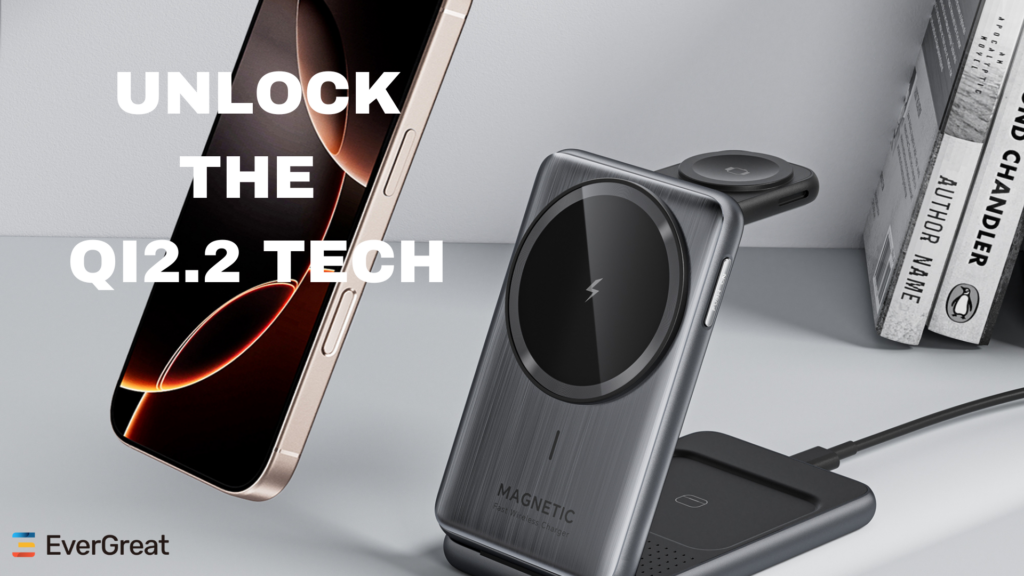
Qi2 is the newer Wireless Power Consortium wireless charging standard built around magnetic alignment and better interoperability. It helps phones and chargers line up more consistently, which can improve user experience, product trust, and accessory compatibility when the product is properly certified and designed.

For brands, Qi2 is not only a technical term. It affects product positioning, certification planning, magnet design, packaging claims, and cost. If buyers understand the standard early, they can avoid building a product that looks modern but creates confusion later.
How Is Qi2 Different From Older Qi Wireless Charging?
Qi2 improves the user experience mainly through magnetic alignment, clearer interoperability expectations, and a more modern ecosystem of phones and accessories.
Older Qi chargers often depend on users placing the phone correctly by eye. Qi2 adds a magnetic alignment approach, helping the transmitter and receiver coils line up more consistently so charging feels easier and more predictable.
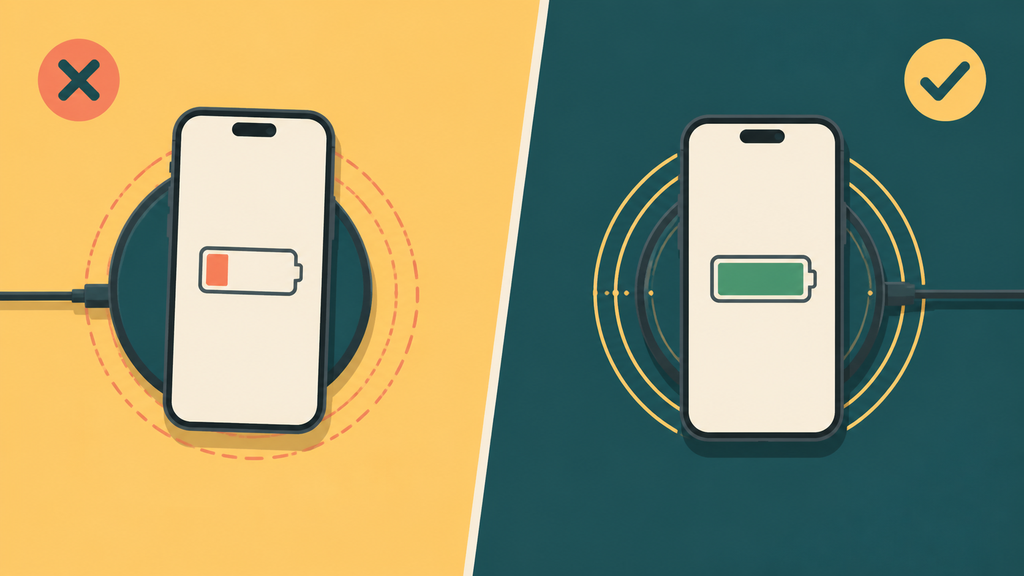
The Wireless Power Consortium introduced Qi as a common wireless charging standard so devices and chargers from different brands could work together. Qi2 builds on that idea and adds a magnetic alignment profile intended to improve placement and interoperability.1 In practical terms, the biggest visible difference for users is that a Qi2 charger can guide the phone into the right position instead of relying only on a flat pad and guesswork.
I have watched many users place a phone on an older flat wireless charger, see the charging icon, then return later and find the battery barely moved. Often the phone was slightly off-center. It did charge, but not efficiently. Magnetic alignment reduces this problem because the phone and charger naturally meet in the intended position.
For product buyers, this matters because wireless charging frustration is rarely dramatic at first. It appears as slow charging, heat, overnight charging failure, or “sometimes it works” complaints. Those complaints damage trust even when the charger is technically functional. Qi2 can reduce that friction, but only when the full design is handled correctly.
| Feature | Older Qi experience | Qi2 experience |
|---|---|---|
| Alignment | User places phone manually | Magnetic alignment assists placement |
| User confidence | More trial and error | More consistent attachment |
| Accessory ecosystem | Broad but uneven | More structured magnetic accessory path |
| Design challenge | Coil position and surface tolerance | Coil, magnet, heat, and certification balance |
The mistake is treating Qi2 as a sticker. A charger can look magnetic but still perform poorly if coil placement, magnets, thermal control, adapter selection, and certification are weak. For example, a magnetic wireless power bank needs enough hold strength for daily use but cannot feel difficult to remove. A desktop charger needs good viewing angle, stable base weight, and heat management. A travel charger needs compact folding structure without creating thermal traps.
Qi2 gives brands a stronger platform, but the manufacturer still has to build a complete product around it. That is where early engineering review saves time.
Should Brands Choose Qi2 For New Wireless Charger Projects?
Brands should consider Qi2 when they want a modern magnetic charging experience, stronger retail positioning, and a clearer upgrade path.
Qi2 is a strong choice for new wireless charger projects if the target customers use compatible phones, value magnetic convenience, and the brand can support the added cost, certification planning, and product design work.
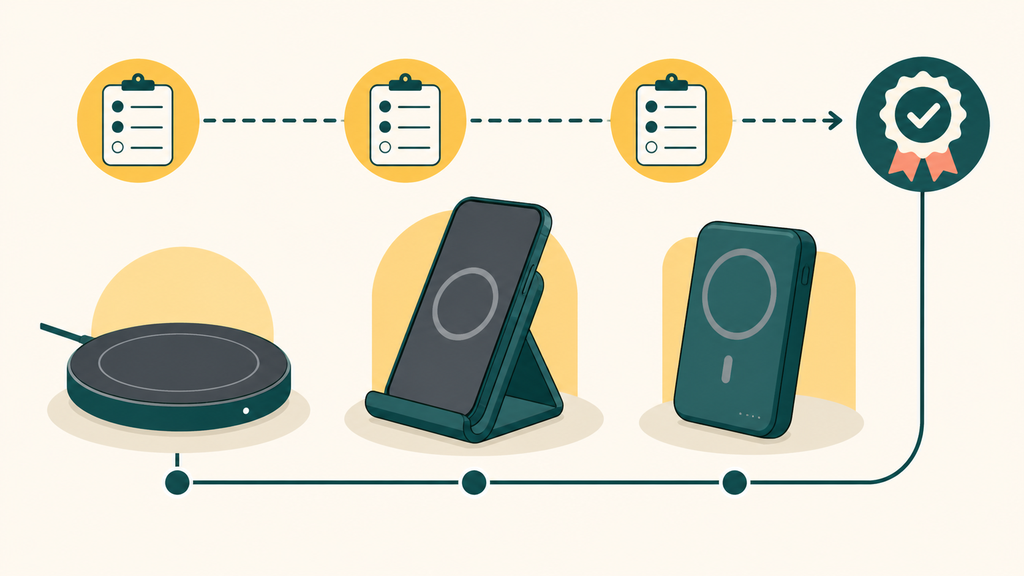
Qi2 is especially relevant for magnetic stands, 2-in-1 chargers, 3-in-1 charging stations, travel chargers, and magnetic wireless power banks. These products depend on placement convenience. If a user has to adjust the phone several times, the product feels unfinished. Magnetic alignment makes the charging experience more natural.
However, Qi2 is not automatically the best answer for every project. Some promotional buyers need low-cost wireless pads for event giveaways. Some retailers need an entry-level accessory at a very aggressive price point. Some markets still have mixed phone compatibility. In those cases, an older Qi product may still make commercial sense, especially if the brand communicates the specification honestly.
From a manufacturing perspective, the decision is usually a balance between product positioning and execution cost.
| Project goal | Better fit |
|---|---|
| Premium magnetic accessory line | Qi2 |
| Entry-level promotional giveaway | Standard Qi |
| 3-in-1 desktop charger | Qi2 or Qi2-ready roadmap |
| Travel charger for modern phones | Qi2 |
| Lowest possible price point | Standard Qi |
Buyers also need to think about certification and claims. If a product says Qi2, it should follow the relevant Wireless Power Consortium process and logo rules. A vague “Qi2-like” or “magnetic wireless charger” claim may create channel risk if distributors, retailers, or platform reviewers ask for documents. For the U.S. market, importers should also review FCC equipment authorization and RF exposure requirements with the supplier because wireless power products are still electronic RF devices, not generic plastic accessories.2
The adapter and cable bundle also matter. A premium Qi2 charger paired with a weak adapter creates a poor out-of-box experience. If the product is sold without an adapter, packaging and product pages must state the input requirement clearly. I often tell customers that the accessory ecosystem around the charger is part of the product, not an afterthought.
For EverGreat OEM and ODM projects, I usually start with a product roadmap question: is this model meant to last one season, or become a platform for future accessories? If the brand wants a family of magnetic chargers, Qi2 planning can make sense early. If the product is a short promotional campaign, a simpler approach may be better.
What Should Buyers Check Before Ordering Qi2 Chargers?
Buyers should verify certification, magnetic alignment, heat performance, phone compatibility, adapter requirements, and after-sales language before placing a Qi2 order.
Before ordering Qi2 chargers, buyers should check WPC certification status, real charging tests, thermal behavior, magnet strength, case compatibility, adapter specifications, packaging claims, and market compliance documents.
I like to treat Qi2 sourcing as a checklist, not a catalog search. The catalog tells you what the supplier wants to sell. The checklist tells you whether the product can survive real users, logistics, support questions, and retail review.
Start with certification. The WPC standard exists to support interoperability and consumer trust, so a buyer should ask for the exact certification status, not just a logo in a presentation.1 Ask whether the model is certified, in progress, or only designed around similar features. These are very different situations.
Next, test real phones. A Qi2 charger should attach cleanly, begin charging reliably, and maintain stable behavior over time. Do not only test one phone at full room airflow. Test with a case, no case, different battery levels, and longer charging sessions. If it is a stand, test vertical and horizontal use. If it is a power bank, test hand-held movement and pocket scenarios.
Then review thermal behavior. Apple notes that charging may be affected when a device becomes too warm, and this matters for wireless products because alignment and heat are closely connected.3 A charger that looks good in a short demo may still throttle after 20 minutes. That is not a minor detail; it becomes a user complaint.
| Checkpoint | What to request |
|---|---|
| WPC status | Certificate, model number, and logo usage support |
| Magnetic alignment | Pull force, case test, and phone fit |
| Thermal test | Long-session temperature data |
| Adapter requirement | Input voltage, wattage, and cable recommendation |
| Compliance | FCC, CE, UKCA, or market-specific documents |
| Packaging claim | Clear wording that matches certification status |
Finally, look at after-sales risk. A Qi2 product may still receive questions about heat, cases, phone compatibility, and charging speed. Good packaging and support materials should explain correct placement, compatible cases, adapter requirements, and metal-object warnings. Samsung’s general wireless charging troubleshooting advice is a useful reminder that many user problems come from accessories and placement, not only from the charger itself.4
The brands that succeed with Qi2 usually do not buy the cheapest magnetic charger and hope the logo does the work. They define the user, choose the right structure, verify documents, test samples carefully, and write honest claims. That is the difference between a modern charging product and a modern-looking headache.
Conclusion
Qi2 is a real wireless charging upgrade, but only careful testing and certification turn the standard into a reliable product.
-
The Wireless Power Consortium Qi2 standard page explains Qi2 and its role in magnetic wireless charging interoperability. ↩ ↩
-
The FCC provides RF device and equipment authorization information through its Office of Engineering and Technology resources. ↩
-
Apple explains charging and temperature behavior in its battery performance guidance. ↩
-
Samsung covers placement, cases, and accessory checks in its wireless charging troubleshooting guidance. ↩