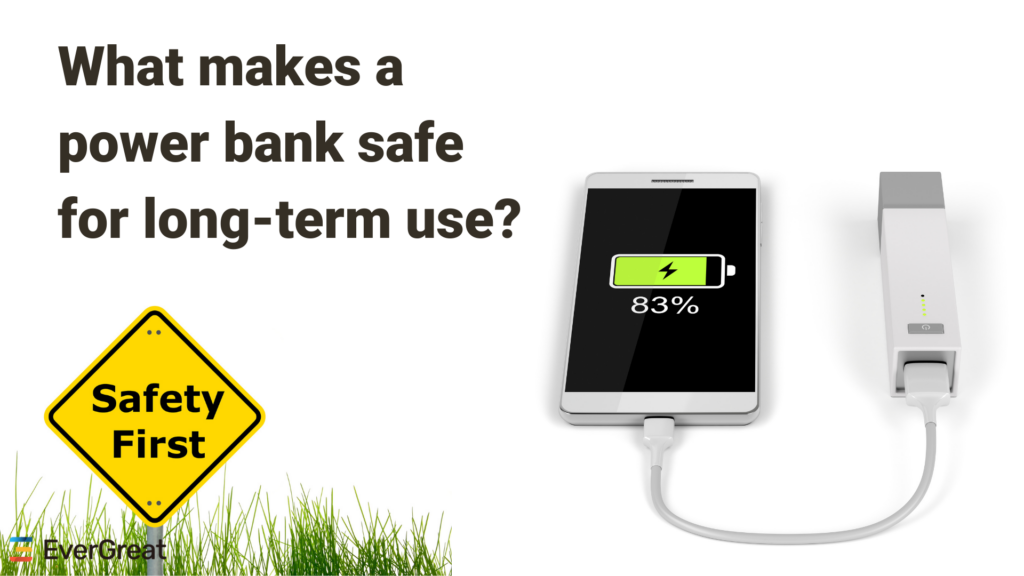
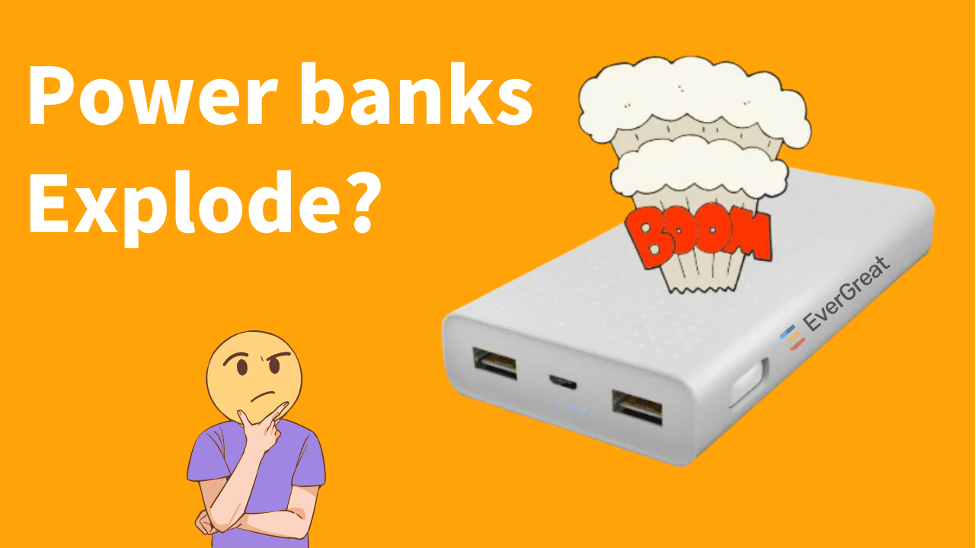
Do you ever worry about your power bank charging too long? Many people just plug it in and forget it. You need to know the real risks and the best practices to keep your devices safe.
Most modern power banks come with built-in overcharge protection. Still, leaving them plugged in overnight is not fully recommended. While the protection usually works well, a small risk of failure exists with any lithium battery. It is always better to unplug your power bank once it shows it is full.
I remember a time I almost ruined a device because of my charging habits. This made me wonder: what exactly goes on when we charge these devices? Let’s explore the science behind it to keep our gadgets safe and lasting longer.
What Actually Happens When a Power Bank Charges for Too Long?
Do you often wonder if leaving your power bank plugged in causes harm? It feels harmless, but hidden processes might be at play. Understand the internal reactions that occur with overcharging.
When a power bank charges too long, its internal protection circuit should stop the current. If this fails, the battery might overcharge, creating excess heat and pressure. This can shorten battery life and, in rare cases, lead to swelling or even fire. Overcharging can also cause lithium plating, where metallic lithium deposits on the anode, reducing battery capacity and potentially leading to internal shorts.
The Role of the Protection Circuit
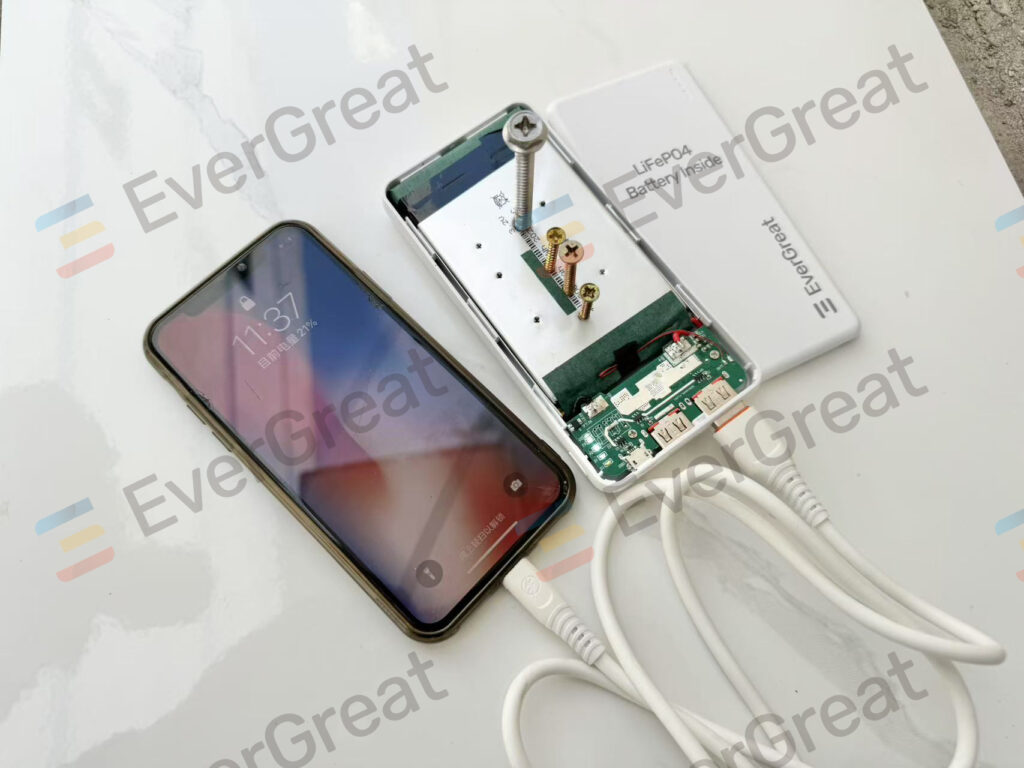
Every modern power bank has a small computer inside called a protection circuit. I think of it as a tiny guardian. Its main job is to stop bad things from happening. For example, it prevents too much electricity from going into the battery. It also stops too much power from leaving the battery. Without this circuit, batteries would quickly get damaged. This circuit ensures the voltage and current stay within safe limits. It is a very important part of the power bank’s safety.
What Happens During Overcharge?
If the protection circuit somehow fails, the battery keeps getting power even when it is full. This is called overcharging. When this happens, the battery material starts to break down. Chemical reactions inside speed up. This creates more heat. The heat can cause the battery to swell. In extreme cases, it might even catch fire. I have heard stories about devices swelling up and becoming unusable. This is why paying attention to charging is so important. It protects your device and keeps you safe.
Signs of Trouble
You can often see signs if a power bank has been overcharged or is getting damaged. The most common sign is swelling. The power bank might look puffy or bloated. It can also get very hot to the touch. Sometimes, you might even smell a strange odor. Other signs can include a hissing or crackling sound coming from the power bank. If you see any of these signs, you must stop using the power bank right away. You should also dispose of it safely. Never try to fix a swollen battery yourself. I always advise caution in these situations.
| Condition | Normal Charging | Overcharging Risk |
|---|---|---|
| Battery Temperature | Slightly warm | Very hot, burning |
| Physical Appearance | Normal | Swollen, bulging |
| Charging Indicator | Turns off or steady light | Stays on (if circuit fails) |
| Smell | None | Chemical odor |
Do Modern Power Banks Have Overcharge Protection?
Are today’s power banks truly safe from overcharging? You hear about protection, but is it reliable? We will examine the safety features built into your devices.
Yes, almost all modern power banks include sophisticated overcharge protection. These built-in circuits monitor battery voltage and stop current flow when the battery reaches full capacity. This protects the battery from damage and prevents potential safety hazards. However, the effectiveness of the Battery Management System (BMS) can vary based on quality and design. Some cheaper power banks might have less reliable or less comprehensive protection circuits.

How Protection Circuits Work
Modern power banks have smart circuits. These are often called Battery Management Systems, or BMS. I think of them as the brain of the power bank. This brain constantly checks the battery’s voltage. When the voltage reaches a certain level, usually 4.2 volts per cell, the circuit cuts off the power. It simply tells the charger to stop sending electricity. This prevents the battery from taking in more power than it can handle. It also helps prevent issues like overheating or swelling. This protection is key for both safety and for making your battery last longer.
Types of Battery Management Systems (BMS)
Not all protection systems are the same, but most work in similar ways. Basic BMS simply cuts power when overcharged. More advanced systems do even more. They also prevent the battery from getting too hot. They can balance the charge across multiple battery cells. This helps each cell charge equally. Some can even stop power if the battery gets too cold. I have seen how these advanced systems make a big difference in battery life and safety. Good brands put a lot of effort into these safety features. Advanced BMS features can include cell balancing (ensuring all cells in a multi-cell battery charge and discharge evenly), temperature monitoring, and short-circuit protection.
Why "Modern" Matters
The term "modern" is important here. Older power banks, especially very cheap ones, might not have the same level of protection. I always recommend buying from reputable brands. These brands invest in good quality control and reliable components. They make sure their power banks meet safety standards like CE, FCC, or RoHS. If you use an old, no-name power bank, the risks might be higher. Newer devices are much safer because of better technology and stricter rules. Look for power banks with certifications like CE, FCC, and RoHS, which indicate compliance with safety and environmental standards. This gives me peace of mind when I use my own devices.
| Protection Feature | Description | Benefit |
|---|---|---|
| Overcharge Protection | Stops charging when battery is full | Prevents damage from excess voltage |
| Over-discharge Protection | Stops discharging when battery is low | Prevents battery from deep discharge, extends life |
| Overcurrent Protection | Stops power if current draw is too high | Protects against short circuits and surges |
| Short-Circuit Protection | Cuts power instantly if a short circuit occurs | Prevents fire and explosive risks |
| Temperature Protection | Monitors battery temperature and cuts power | Prevents overheating and thermal runaway |
Is Overnight Charging Safe for Lithium-ion and Li-polymer Batteries?
Are you confused about how safe overnight charging is for your devices? Many devices use these batteries, but what’s the real risk? We will clarify the specific concerns for lithium-based batteries.
Overnight charging, while generally safe due to modern protection circuits, carries a very small, inherent risk for lithium-ion and Li-polymer batteries. These battery types are sensitive to overcharging and extreme heat. This can degrade their performance over time and, rarely, pose a safety hazard. These batteries degrade faster when consistently charged to 100% or discharged to 0%. Partial charging is generally better for long-term battery health.
The Nature of Lithium Batteries
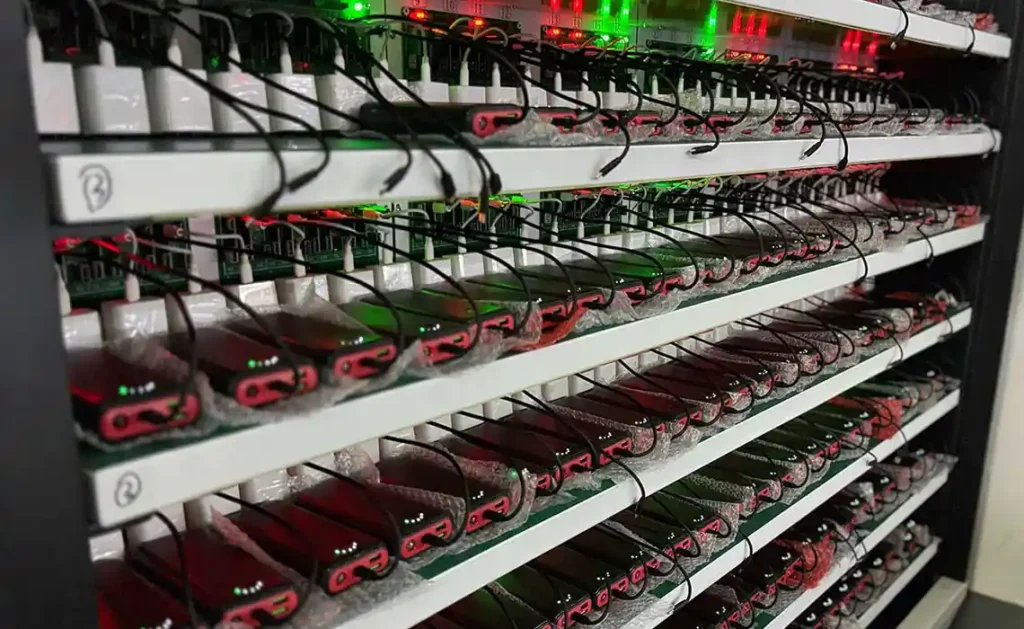
Lithium-ion and lithium-polymer batteries are common in many of our gadgets. They are great because they hold a lot of power for their size. But they also need careful handling. They do not like to be completely empty or completely full for too long. They also do not like extreme heat. These batteries are built with a liquid or gel electrolyte inside. This part helps move the charge. If this liquid gets too hot or breaks down, it can cause problems. I often explain to people that these batteries are powerful but also delicate. Treating them right helps them last longer.
Potential Risks of Overcharging
Even with protection circuits, a very small risk remains. If the circuit fails, overcharging can lead to issues. One big issue is battery degradation. This means the battery holds less charge over time. Another risk is swelling. The internal chemicals can produce gas when overcharged. This makes the battery expand. In rare and severe cases, it can cause something called thermal runaway. This is when the battery gets very hot and can catch fire. I have always been taught that being cautious is better than being sorry, especially with battery safety.
Best Charging Habits
To keep your power bank and other devices safe, it is best to unplug them once they are fully charged. I usually check my power bank every few hours. When the light shows it is full, I unplug it. Also, avoid charging your devices in very hot places. Do not charge them under your pillow or on a thick carpet. These places can trap heat. Always use the charger that came with the device, or a good quality replacement. Using substandard chargers1 can deliver incorrect voltage or current, damaging the battery and potentially causing a fire hazard. Look for chargers that comply with safety standards like UL or CE. Also, it is advisable to store lithium-ion batteries2 at around 40-60% charge when not in use for extended periods. Following these simple steps helps keep your batteries healthy and lasts for a long time. It is a good habit for all your electronic devices.
| Charging Habit | Description | Why It Matters |
|---|---|---|
| Unplug When Full | Remove charger once indicator shows 100% | Reduces stress on protection circuits, prevents degradation |
| Avoid Extreme Temps | Charge in a cool, dry place | Prevents overheating, extends battery lifespan |
| Use Quality Chargers | Use original or certified third-party chargers | Ensures correct voltage and current for safe charging |
| Don’t Drain Completely | Recharge before battery hits 0% | Prolongs battery life, avoids deep discharge damage |
Conclusion
Modern power banks have overcharge protection. Still, responsible charging, like unplugging when full, is always best. This ensures safety and extends battery life.