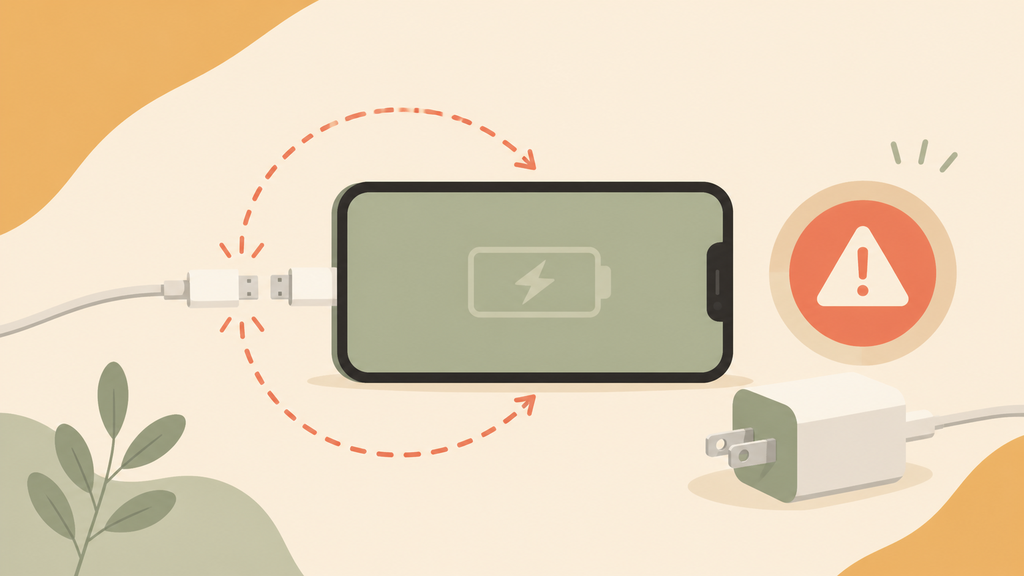
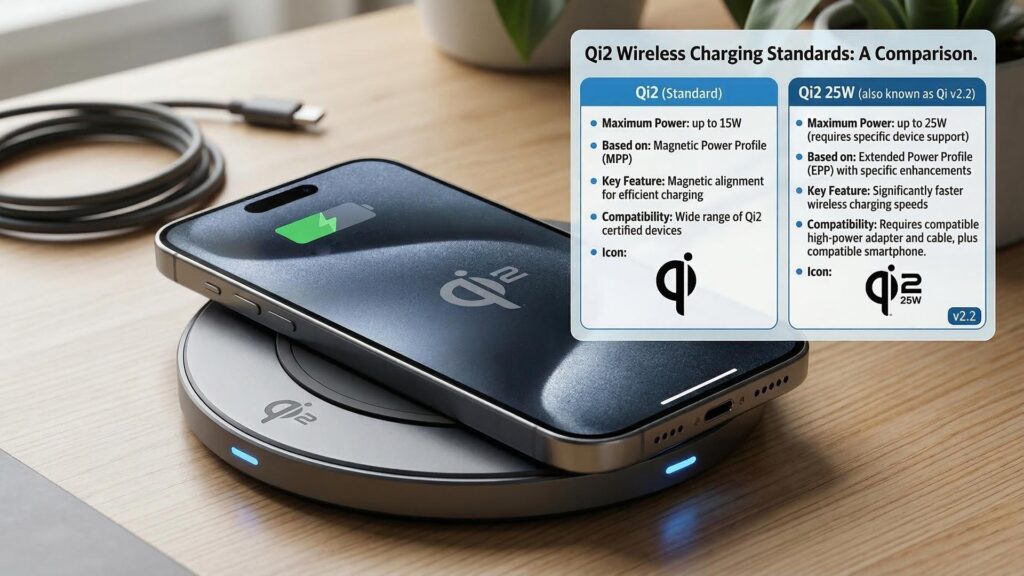
USB-C looks universal, but charging is not always equal. The wrong charger may work slowly, heat up, or disappoint your customers.
You can usually use a USB-C charger with any USB-C phone, but the charging speed depends on the phone, charger, cable, and supported protocol. For best results, choose a quality USB-C Power Delivery charger with enough wattage and the right cable.
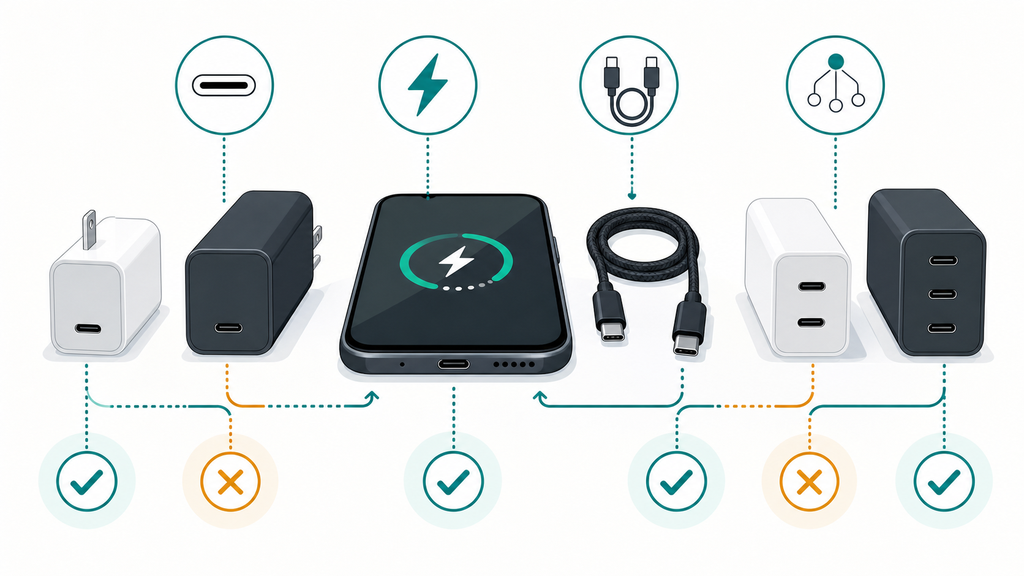
Many customers ask me this because USB-C has made charging look simple. The connector is simple. The power negotiation behind it is where buyers still make expensive mistakes.
Why Does One USB-C Charger Charge Faster Than Another?
Two USB-C chargers can look almost identical. One charges your phone quickly. The other feels weak, even when both plug into the same port.
A USB-C charger charges faster when the phone and charger agree on a higher power level. USB Power Delivery allows flexible power negotiation over USB-C, but the phone only takes the power it supports, and the cable must also be suitable.1
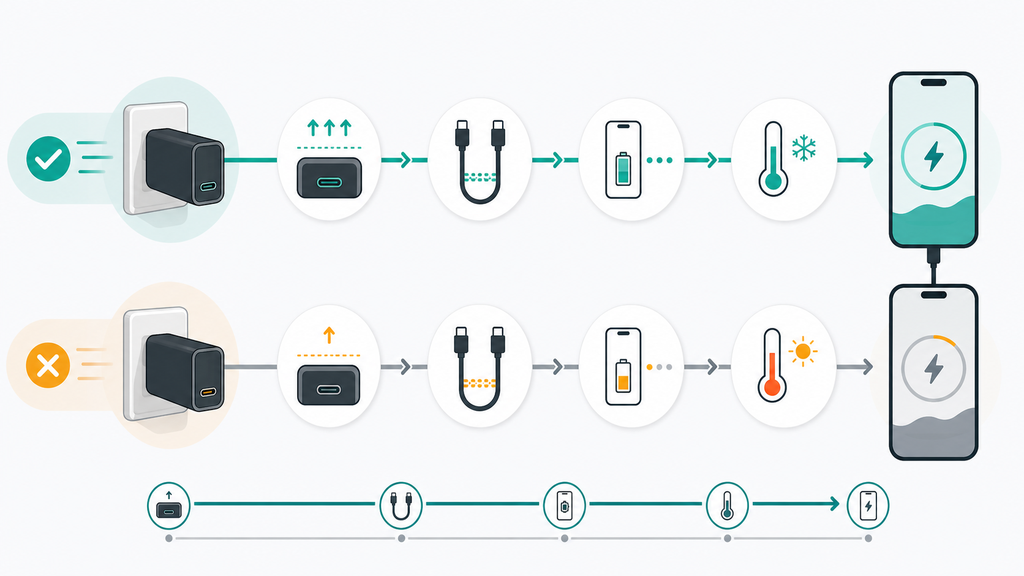
The most common mistake is treating USB-C as only a plug shape. I often see buyers compare chargers by the connector and printed wattage, then wonder why the final user experience changes between phones. The real charging result depends on a chain: wall power, charger design, USB-C protocol, cable rating, phone firmware, battery temperature, and battery state of charge.
USB-IF explains that USB Power Delivery provides more flexible power delivery over a single cable and can allow devices to take only the power they require.1 This is the important idea. A 65W charger does not force 65W into a phone. A phone requests a safe charging profile. If the phone can use 20W, it will not become a 65W phone because the adapter is larger.
Apple gives a clear consumer example. Its support page says iPhone fast charging requires an 18W or greater USB-C adapter for older fast-charge models, or a comparable third-party USB-C power adapter that supports USB Power Delivery.2 That tells buyers two things. First, wattage matters. Second, protocol matters. A random 20W-looking adapter without proper USB-C PD support may not deliver the same result.
In manufacturing, I separate the discussion into three layers:
| Layer | What Buyers See | What Actually Matters |
|---|---|---|
| Connector | USB-C plug | Mechanical fit and basic compatibility |
| Wattage | 20W, 30W, 45W, 65W | Maximum output, not guaranteed phone input |
| Protocol | PD, PPS, QC, private labels | Whether the phone and charger can negotiate fast charging |
The cable also matters. USB-IF describes USB Type-C as a reversible connector system designed for modern smaller devices and scalable power performance.3 But not every cable is built for the same current, data use, or durability. A low-grade cable may charge slowly, fail early, or create after-sales complaints even when the charger itself is good.
For EverGreat projects, I usually advise brands to define the target phone group first. A promotional 20W charger for general phone users is a different product from a 45W charger intended for Android fast charging, tablets, and small laptops. When the target use case is clear, the chipset, cable bundle, certification path, packaging claims, and price point become much easier to control.
Is A Higher-Watt USB-C Charger Safe For A Lower-Watt Phone?
Many users worry that a 65W or 100W charger will overpower a phone. That fear is understandable, but it is not how proper USB-C charging should work.
A higher-watt USB-C charger is generally safe for a lower-watt phone when the charger is well designed and supports proper power negotiation. The phone requests what it can accept. The bigger risk is a cheap or poorly tested charger, not the higher wattage by itself.
The word "safe" still needs care. A reputable USB-C PD charger and a no-name lightweight adapter are not the same thing. The connector may look identical, but the internal design can be very different. Protection circuits, transformer quality, temperature control, insulation spacing, firmware behavior, and component selection all affect real safety.
USB Power Delivery was created to let devices negotiate power more intelligently. USB-IF notes that USB PD Revision 3.1 expanded the possible power range up to 240W over full-featured USB Type-C cable and connector systems.1 That high ceiling does not mean every phone draws high power. It means the ecosystem can support many device classes, from phones to laptops, if the product is designed and certified correctly.
In my experience, the higher-watt charger itself is not usually the problem. The problem is unclear matching. A customer buys a 65W multi-port charger and expects every port to stay 65W at the same time. Then they plug in a phone, earbuds, and a tablet, and the power is redistributed. The charger may be behaving correctly, but the packaging did not explain the power split.
Here is the practical buyer logic:
| Situation | Usually Fine? | What To Check |
|---|---|---|
| 65W charger with 20W phone | Yes | Charger quality, PD support, cable quality |
| 100W charger with phone and laptop | Yes, if designed well | Port power allocation and heat control |
| Very cheap charger with unknown brand | Risky | Safety testing, certifications, internal weight and build |
| USB-C cable from an unknown source | Uncertain | Current rating, connector quality, strain relief |
| Charger used in hot places | More risk | Thermal protection and derating behavior |
Apple also reminds users that fast charging might not work in conditions that are too cold or too hot.2 This is normal battery protection behavior. A phone may reduce speed to protect the battery. Users sometimes blame the charger, but the phone may be managing temperature correctly.
For brands, I would never position a charger only as "high wattage equals better." A reliable 30W charger with good thermal behavior can create fewer complaints than a cheap 65W charger that overheats or power-cycles under load. If you sell to retailers, the after-sales cost can erase the small saving from a weaker design.
At EverGreat, I would check sample chargers under realistic use: low battery, mid battery, phone with screen on, phone in a case, warm room, multi-port loading, and long charging time. Many problems do not appear in a five-minute desk test. They appear after the charger has been warm for 30 minutes.
How Should Buyers Choose The Right USB-C Charger?
The easiest buying mistake is choosing the cheapest charger with the biggest number on the shell. That number alone does not protect your device or your brand.
Choose a USB-C charger by matching the target devices, required wattage, supported protocols, cable quality, certification plan, and real thermal performance. For most phone users, a quality 20W to 30W USB-C PD charger is enough; mixed phone and tablet users may need 45W or more.
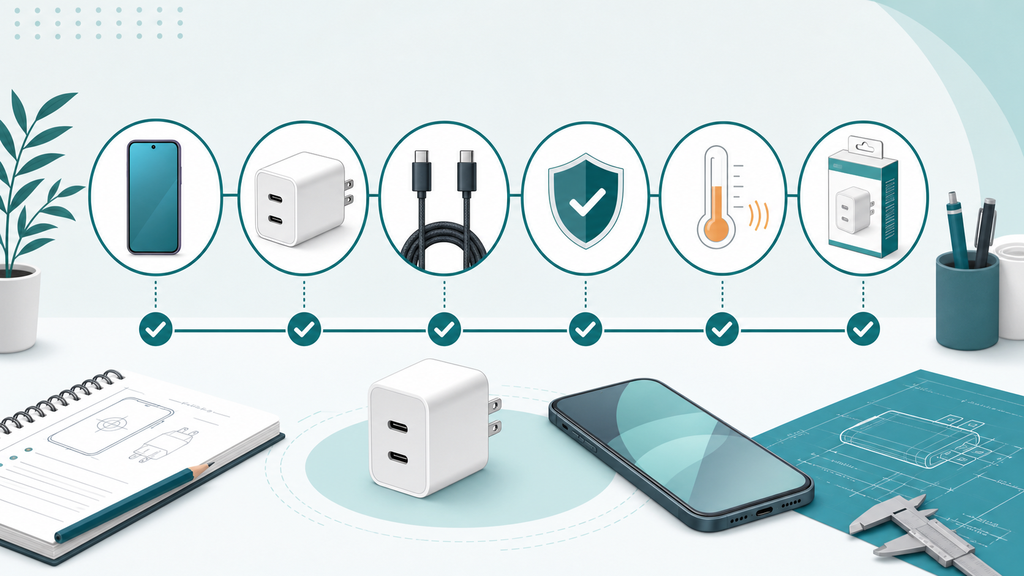
I like to start with the user scenario, not the product catalog. A travel charger for one phone should be compact, cool, and clear. A retail charger for families may need two or three ports. A brand bundle with a power bank may need a charger and cable that both support the expected input speed. A business gift charger may need strong safety documentation because it represents another company’s brand.
For consumer buyers, I would use this simple checklist:
- Check your phone’s maximum wired charging requirement.
- Choose a USB-C PD charger with enough wattage.
- Use a cable that matches the charger and device.
- Avoid suspiciously cheap chargers with vague markings.
- Replace chargers or cables that smell hot, crack, spark, or disconnect.
For importers and private label buyers, the checklist must go deeper:
| Question | Why It Matters |
|---|---|
| Which devices are we targeting? | Prevents overbuilding or underbuilding the product |
| Which protocols must be supported? | Affects chipset choice and real fast-charge behavior |
| What certifications are needed? | Reduces customs, retail, and safety risk |
| What cable is included? | A weak cable can ruin a good charger |
| How does power split across ports? | Prevents misleading packaging claims |
| What thermal tests were done? | Predicts user complaints and long-term reliability |
USB-IF says companies wishing to use certified USB logos need compliance testing and logo license requirements.1 That matters for brands. You should not treat certification marks as decoration. If the package suggests certified performance, the documentation should support it.
I have seen charger projects fail because the buyer approved the exterior too early. The shell looked good. The logo looked premium. But the port layout caused heat concentration, the cable spec did not match the claim, and the carton copy promised more than the product could deliver. Fixing that after packaging printing is painful.
My practical recommendation is simple. If you sell chargers, build the claim from the verified use case. Do not start with "65W fast charger" and then search for a product that roughly fits. Start with "charges an iPhone, Samsung phone, tablet, and small laptop under these conditions," then choose the output design. That approach creates cleaner listings, fewer returns, and a better customer experience.
Conclusion
USB-C chargers are broadly compatible, but speed and trust come from the full charging system: phone, charger, cable, protocol, testing, and honest claims.
-
USB Implementers Forum, USB Charger (USB Power Delivery). ↩ ↩ ↩ ↩
-
Apple Support, Fast charge your iPhone. ↩ ↩
-
USB Implementers Forum, USB Type-C Cable and Connector Specification. ↩