Long lead times frustrate everyone. We faced a challenge: ship a complex order in just 12 days. How did we achieve it?
We shipped an urgent order in 12 days by focusing on optimized processes, rapid communication, and a strong, pre-vetted supply chain. This allowed us to streamline production stages and make quick decisions, bypassing common delays.
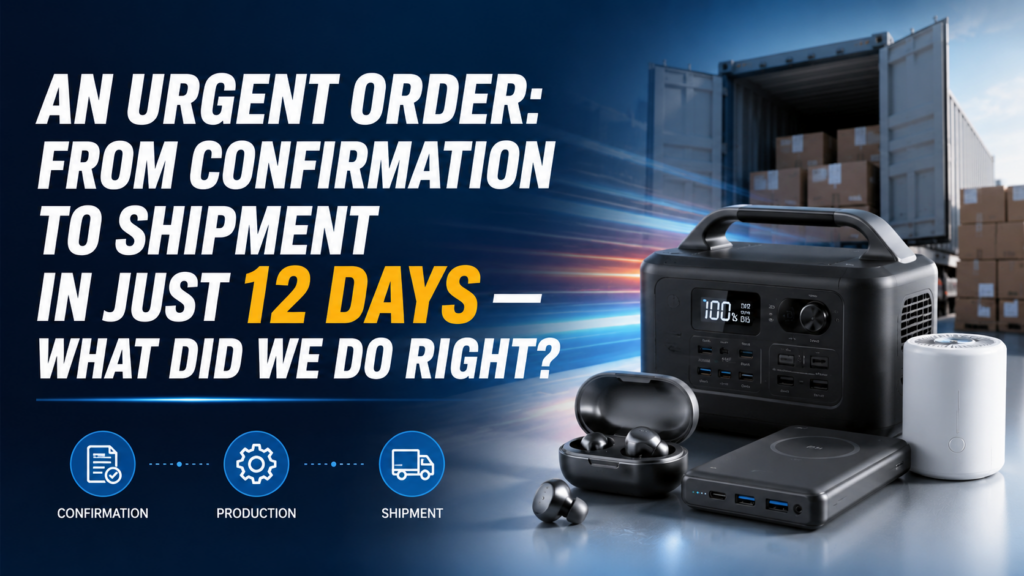
This success story did not happen by chance. It highlighted how our operational philosophy helps overcome typical industry hurdles. We want to share our approach so you can understand what makes a manufacturing partner truly effective.
Why do manufacturing lead times keep getting longer?
Are your production schedules stretching out? Many brands face this problem. It often feels like waiting forever for products to arrive.
Manufacturing lead times grow due to increased product complexity, global supply chain disruptions, customization demands, and slower internal communication. These factors combine to add time at every stage, from design to delivery.
I have seen many brands struggle with ever-growing lead times. It is easy to think production itself has slowed down. But in my experience, longer lead times are not about slower production. They are about higher complexity. Today’s products, especially in mobile power, are more sophisticated. They demand more features and stricter safety standards. For example, a power bank with fast charging protocols and multiple output ports requires more components and complex circuit design than older models. This added complexity means more design time, more testing stages, and more specialized parts. Modern products inherently require more components, intricate designs, and extensive testing, which significantly extends lead times. For instance, the complexity of semiconductor chips, measured by mask layers, directly impacts manufacturing cycle times. Our clients, whether they are mobile accessories brand owners or e-commerce sellers, often ask for unique features. This desire for differentiation adds customization steps. Each custom mold or specific material choice extends the timeline; custom components or tooling alone can add 4-8 weeks, and complex custom product lead times can stretch to months. Also, global supply chains are simply not as simple as they once were. Geopolitical events, natural disasters, and pandemics frequently cause significant disruptions, leading to longer delivery times, increased costs, and operational challenges. We experienced this during the pandemic when specific chipsets became hard to find. The COVID-19 pandemic, for example, placed unprecedented stress on the global semiconductor supply chain. Average lead times for semiconductors, which were around 12 weeks in late 2019, spiked to nearly 22 weeks by October 2021, with some critical chips rising to an average of 52 weeks or more. This crisis alone resulted in an estimated $210 billion in revenue losses for automakers in 2021. Inefficient communication within and across supply chain partners also leads to misunderstandings, slow approvals, and extended lead times. Other significant contributors include raw material shortages, transportation delays, fluctuating market demand, and inadequate inventory management. We always work to mitigate these risks for our clients by maintaining diverse supplier relationships. Our core advantage is a first-class supply chain. This helps us source top-tier global components. We balance the needs for innovation and quick delivery. This proactive approach helps us navigate these complex challenges and reduce the impact on our clients.
Factors Increasing Lead Time Complexity
| Factor | Impact on Lead Time | Our Approach |
|---|---|---|
| Product Complexity | More parts, intricate designs, extended testing | Optimized production, experienced R&D team |
| Customization Demands | Unique molds, specific materials, longer design cycles | Flexible OEM/ODM, 3D sampling, custom packaging |
| Supply Chain Volatility | Component shortages, shipping delays | First-class global supply chain, diverse suppliers |
| Communication Gaps | Misunderstandings, slow approvals | 24/7 technical and after-sales response, one-on-one guidance |
How to reduce production lead time in manufacturing?
Feeling stuck with long manufacturing schedules? Many businesses want to speed things up. It is possible to shorten production times.
Reducing production lead time involves streamlining processes, optimizing supply chain management, improving communication, and investing in advanced manufacturing techniques. Focusing on early design collaboration and efficient quality control also helps.

Reducing lead time is a goal for almost all our clients. We know this directly impacts their time-to-market. Our experience shows that the key is a holistic approach. It starts even before production begins. For instance, our free full-cycle project support helps immensely. We guide clients from product consultation to feasibility studies. This early involvement, part of early-stage collaboration, helps iron out many potential issues that could cause delays later and prevents costly reworks. When a client, like a startup building their own product line, comes to us, we immediately focus on design for manufacturability. We identify potential bottlenecks in the design phase. This prevents costly rework once mass production starts. We offer a hybrid OEM/ODM model. This combines ODM innovation with OEM efficiency. This means we can develop new products quickly while still producing existing designs efficiently. Our optimized production process is another cornerstone, incorporating principles like Lean Manufacturing and Kaizen. From design to 3D sampling, then mold development, pilot runs, and finally mass production, each step is precise. This precision speeds things up, leveraging advanced manufacturing techniques and automation to minimize idle time and errors. We avoid errors that could add days or weeks. Our dedication to strict quality control also plays a part. Our inspection system includes internal audits and continuous improvement, alongside third-party evaluations. This means fewer defects, which means less time spent on reworks or returns. We help cross-border e-commerce sellers with low MOQ and fast prototyping. This allows them to test markets quickly. We also provide market and investment insights. This helps them make informed decisions and accelerate their product launches. Improving supply chain visibility through digital tools is crucial for identifying risks earlier, making faster purchasing decisions, and improving inventory control, further aiding lead time reduction.
Strategies for Lead Time Reduction
- Early-Stage Collaboration: We work closely with clients from concept. Our product consultation and feasibility studies identify issues early. This prevents rework later on.
- Optimized Production Flow: Our process, from design to mass production, is streamlined. Each stage builds efficiently on the last. We integrate Lean Manufacturing principles and advanced automation to minimize idle time.
- Strong Supply Chain Relationships: We have first-class suppliers for components. This ensures materials are available when needed. We reduce delays from material shortages and improve supply chain visibility.
- Rapid Prototyping and Sampling: We use 3D sampling and offer fast prototyping. This allows for quick design validation. It helps clients make decisions faster.
- Effective Quality Control: Our strict quality checks, including internal audits and third-party evaluations, reduce defects. Fewer defects mean less time spent on fixes.
- Clear Communication Channels: Our 24/7 technical and after-sales support ensures quick answers. This avoids waiting for information. We keep projects moving forward.
How do factories handle urgent or rush orders?
A sudden market opportunity demands speed. Can factories deliver under pressure? Urgent orders are a true test of a manufacturer’s capabilities.
Factories handle urgent orders by leveraging flexible production schedules, pre-allocated resources, strong supplier relationships for rapid material sourcing, and dedicated project management teams. Prioritizing communication and decision-making is also key.
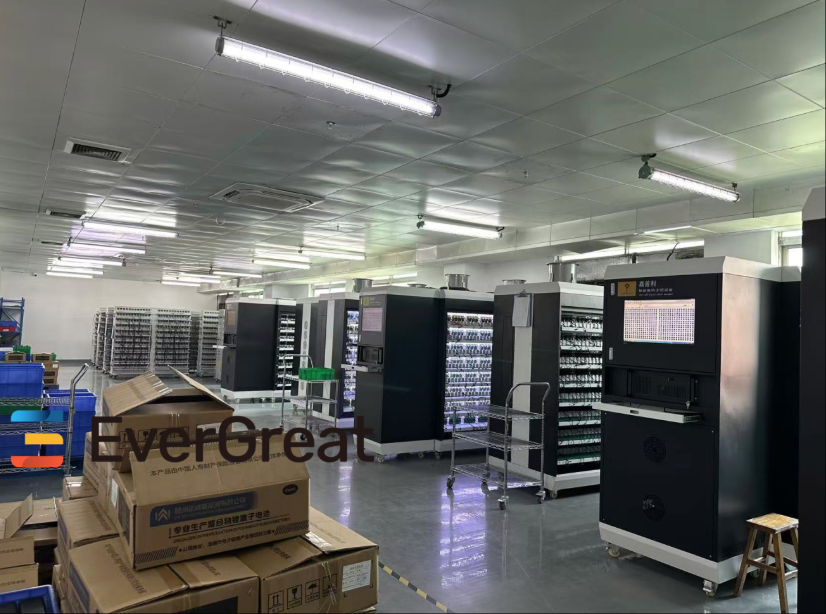
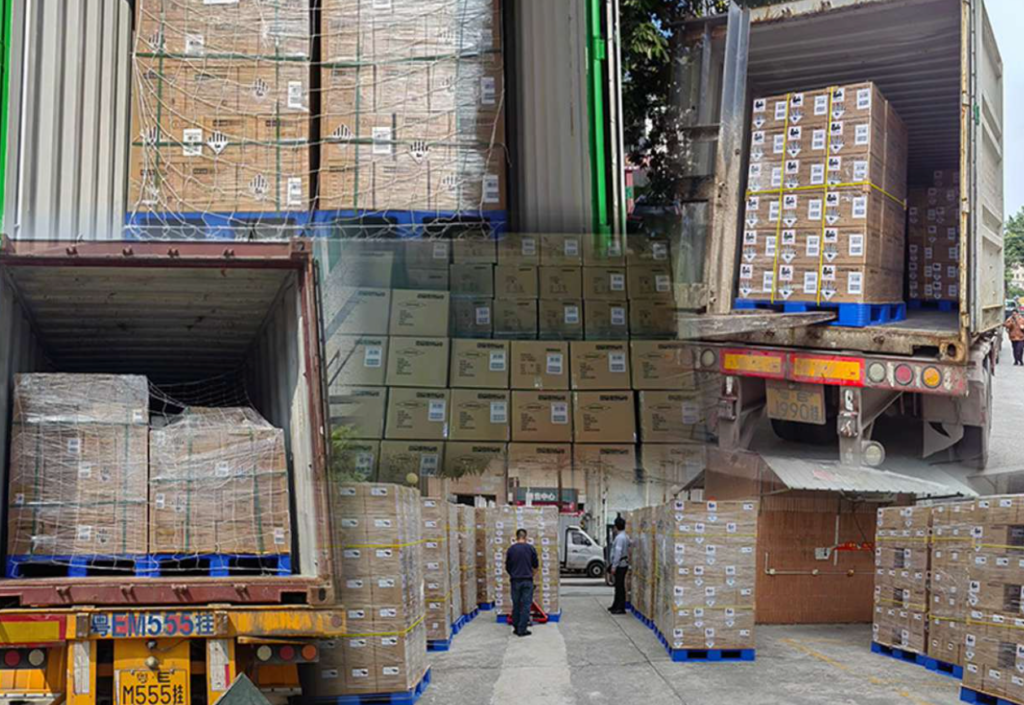
When that urgent 12-day order came in, we knew it would challenge our limits. Handling rush orders is not just about working faster. It is about working smarter. First, it relies heavily on our existing infrastructure and relationships. Our first-class supply chain is critical here. Because we only select top-tier global components, our suppliers are reliable. They can respond quickly when we need materials fast. We often have pre-existing agreements or can pull strings for quick delivery, maintaining buffer inventory of critical materials and establishing priority restocking agreements. We have built these relationships over years. Our dedicated technical and after-sales teams are online 24/7. This responsiveness is vital for urgent orders. Any question or technical challenge gets an immediate answer, preventing any project from stalling. I remember one situation where a client needed a small design tweak after production started. Because our team was online, we resolved it within hours. This saved a full day of production time. We also use our optimized production process and flexible production planning. We can often reconfigure production lines for priority projects, allocating a portion of daily capacity for unplanned orders. This is like having express lanes for urgent jobs. This flexibility is a key advantage. For brands with their own designs, we offer custom mold development and flexible production. This allows us to adapt to their specific needs, even under pressure. Our commitment to free full-cycle project support means we have a deep understanding of our clients’ needs. This helps us anticipate problems. It allows us to prepare for contingencies even before the urgent request arrives. Furthermore, implementing a defined rush order policy, which may include a fee structure for expedited services, helps manage expectations and cover additional costs for such rapid turnarounds. We also provide marketing support like HD product images and pricing guides. This helps clients get ready to sell even as products are being made.
Core Elements for Urgent Order Handling
- Pre-Vetted Supply Chain: We maintain strong relationships with global component suppliers, including priority restocking agreements. This allows for rapid sourcing and preferential lead times for materials when urgency arises, often with buffer inventory for critical items.
- Flexible Production Planning: Our optimized production process and adaptable manufacturing lines allow us to re-prioritize and allocate resources quickly for rush projects without compromising quality, often by reconfiguring lines or dedicating daily capacity.
- 24/7 Technical & Communication Support: Our dedicated teams provide continuous support. This ensures that any issues, questions, or changes are addressed immediately. This prevents delays caused by waiting.
- Dedicated Project Management: We assign specific teams to urgent orders. They oversee every step. This ensures seamless coordination and rapid decision-making across all departments.
- Proactive Problem Solving: Our free full-cycle project support means we understand potential hurdles early. This allows us to plan for contingencies. This minimizes surprises during urgent production runs.
- Streamlined Quality Control: Our strict quality control systems are efficient. They ensure products meet standards quickly. They prevent time-consuming reworks, even on fast-tracked orders.
Conclusion
We shipped an urgent order in 12 days by combining optimized processes, rapid communication, and strong supply chain management. This approach helps us serve clients effectively, especially under pressure, achieving a feat considering typical industry lead times that range from weeks to months for complex orders.