Struggling with high MOQs and uncooperative suppliers for your small orders? Many B2B buyers face this exact challenge. We understand the pain.
We handle small orders by focusing on efficiency and long-term value, not just immediate profit. This approach reveals a supplier’s true commitment to partnership, balancing our internal efficiency with your need for flexible testing and growth, ultimately building trust for future collaboration. Building trust, mutual respect, and understanding client needs through consistent customer care and communication are foundational to these long-term B2B relationships, which lead to repeat business and positive referrals. Strategic B2B partnerships are increasingly vital for business growth, market expansion, cost savings, and product development, especially in a competitive digital landscape where trust is paramount.
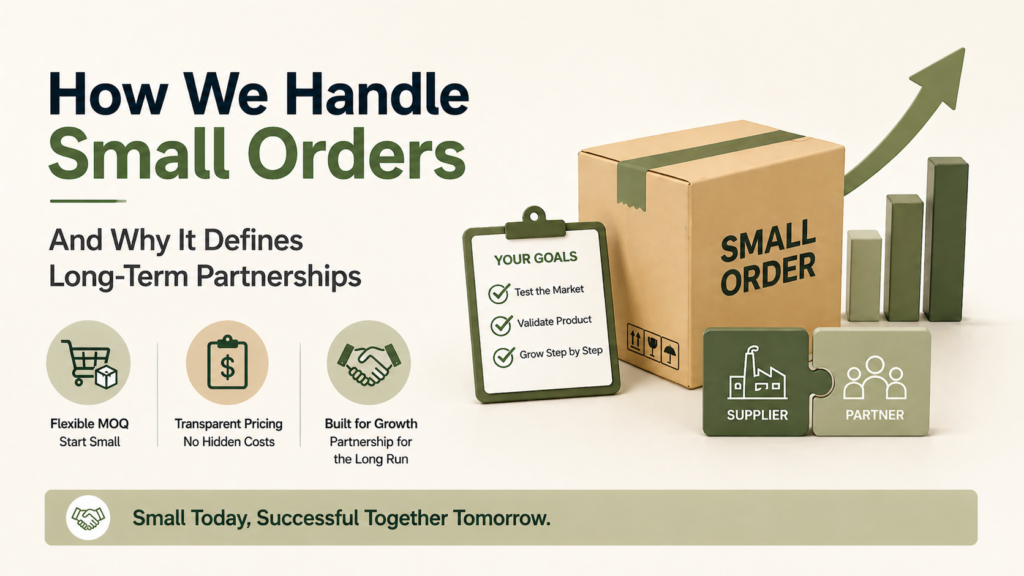
I have seen many times that how a supplier manages a small order is a clear sign. It shows their real business philosophy. On the surface, minimum order quantities look like a simple issue of price or factory size. But it actually shows a deeper truth: how a supplier thinks about efficiency, manages risks, and plans for the future.
What Is the MOQ for Power Banks, and Can It Be Flexible?
Are you wondering what the smallest order size for power banks is? It can be confusing to navigate different supplier requirements.
The Minimum Order Quantity (MOQ) for power banks usually ranges from 500 to 2000 units, but can start from as low as 50-200 units for some customized products, varying greatly with customization, component availability, and supplier policies. Yes, MOQs can often be flexible through negotiation, using stock components, or accepting a higher unit price for smaller batches, often facilitated by tiered MOQ structures and strong supplier relationships, especially for reorders.
Understanding Power Bank MOQs
The MOQ for power banks is not set in stone. Many things affect it. We often see that factors like the type of battery cell, the chosen housing material, and specific features play a big role. For example, a standard power bank with common parts will usually have a lower MOQ than a custom-designed one. This is because standard parts are easy to get in bulk. Custom parts need special orders from suppliers, and those suppliers have their own MOQs. Generally, an MOQ below 500 units is considered low, while over 5000 units is typically high.
- Component Type and Customization:
- Standard Components: Using off-the-shelf battery cells, PCB boards, and casing designs often means lower MOQs. These parts are readily available and produced in large volumes. We can source them easily.
- Custom Components: If you need a unique design, a special capacity, or a custom PCB, the MOQ will be higher. This is because molds need to be made, or specific components need to be ordered in larger quantities from our sub-suppliers. Factors like the material purchase requirements, packaging, assembly labor, and the overall complexity of the product (e.g., specific features like fast charging, wireless charging, or solar charging capabilities, or the use of premium materials like aluminum casings) also significantly impact manufacturing complexity, cost, and thus MOQs.
- Production Line Efficiency:
- Our production lines are set up for efficiency. Changing the setup for a very small batch takes time and effort. This is why a certain minimum number of units makes the production process cost-effective for us. Machine setup complexity and inventory management considerations are also crucial.
- Flexibility and Negotiation:
- We understand the need for flexibility. Sometimes, for new clients or product testing, we can offer lower MOQs. This might mean a slightly higher unit price to cover the setup costs. Or, we might suggest using existing stock components that fit your needs. Manufacturers may offer lower MOQs for early-stage products or custom prototypes, typically at a higher per-unit cost. Negotiation, transparent communication, and establishing a reliable business relationship can lead to more flexible MOQ terms, especially for reorders. We also often implement tiered MOQ structures, where unit prices decrease with larger order volumes, to offer flexibility while incentivizing larger purchases. I once helped a startup launch with a smaller run by optimizing their design to use standard parts, even though they initially wanted something more unique. It saved them a lot of money and risk.
| Factor Affecting MOQ | Impact on MOQ | Our Approach to Flexibility |
|---|---|---|
| Component Type | Custom parts increase MOQ | Suggesting standard alternatives or stock components. |
| Customization Level | High customization increases MOQ | Offer phased customization, start with basic branding. |
| Production Line Setup | Small runs are less efficient | Optimize production schedule; combine with similar orders if possible. |
| Supplier Relationship | New clients may face higher MOQs | Build trust with initial projects; demonstrate long-term potential. |
We always try to find a win-win solution. Our goal is to help you start your project without unnecessary hurdles.
Why Do Small Orders Often Cost More, and What Don’t Suppliers Explain?
Do you ever wonder why buying a few items sometimes feels more expensive per unit? It’s a common puzzle for many businesses.
Small orders often cost more per unit because fixed expenses, like setup, tooling, and administrative overhead, are spread over fewer products. Suppliers often don’t fully explain these hidden costs of production changeovers, specialized handling, and reduced economies of scale that impact their bottom line.
Unpacking the Costs of Small Orders
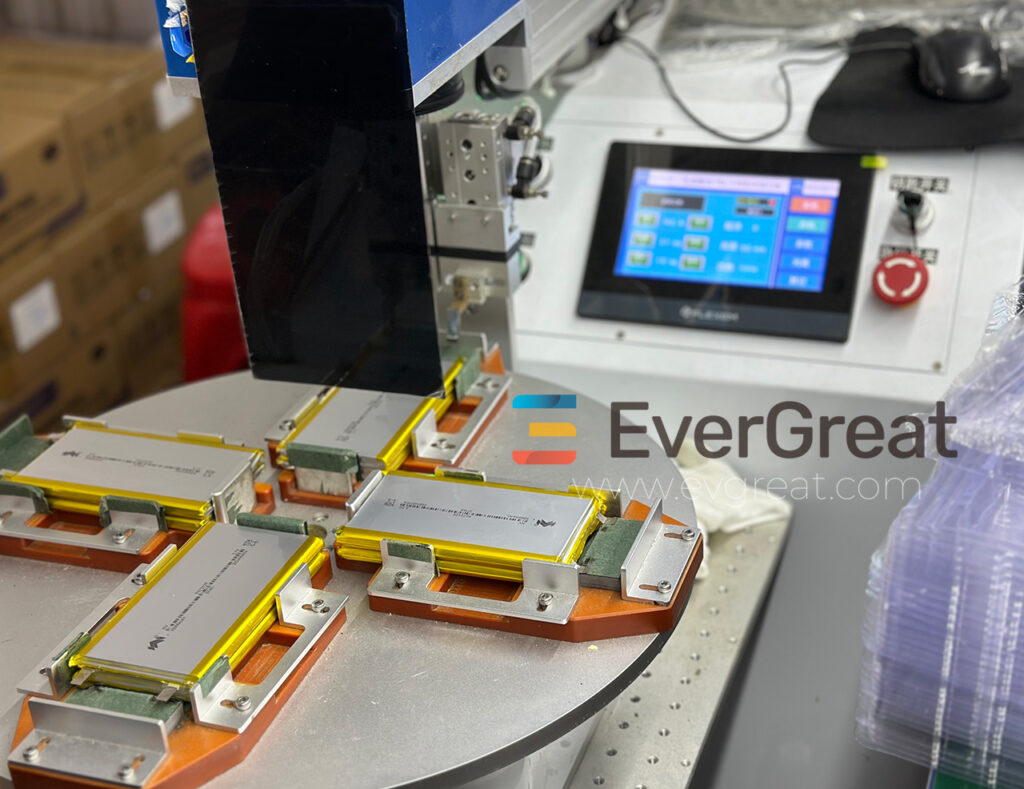
When we receive a small order, many people think it simply means making fewer products. But it is more complex than that. There are many fixed costs that do not change, no matter how many units we make. These costs become a bigger part of the unit price when the order size is small, a consistent finding across manufacturing industries.
- Fixed Setup Costs & Production Changeovers:
- Every new order requires setup time. This includes programming machines, preparing raw materials, and running initial tests, custom adjustments, and alignment. These activities consume labor time and reduce machine availability. These steps cost money and labor. For a large order, these costs are divided among thousands of units, making them tiny per unit. For a small order, they are divided among only a few, making the unit cost much higher. Short production runs necessitate more frequent machine setups, and each time a production line switches from one product to another, there is "downtime" for retooling or cleaning, which represents a significant operational cost.
- Administrative Overhead:
- Each order, regardless of size, needs paperwork. This includes processing the order, managing invoices, handling logistics, and quality checks. My team spends the same amount of time on these tasks whether the order is for 100 units or 10,000 units. Spreading these fixed administrative costs over fewer units makes the administrative cost per unit considerably higher for smaller orders.
- Supply Chain Inefficiencies & Material Sourcing:
- Buying raw materials in small quantities is often more expensive. Our component suppliers also have MOQs and volume discounts. If we buy only a small amount for your order, we might pay a higher price for the parts, as we cannot leverage volume discounts. This directly affects the final unit cost. Also, managing and tracking many small batches can disrupt our normal supply chain flow. Smaller production runs can also result in greater material waste relative to the output.
- Quality Control:
- Maintaining consistent quality in low-volume production can be more challenging due to less repetition. This often requires more rigorous inspection and testing procedures, potentially increasing labor and equipment costs, especially if rework is necessary.
- What Suppliers Don’t Always Explain:
- Sometimes, suppliers might not fully explain the cost of ‘downtime’ or ‘changeover.’ Every time we switch from one product to another, our production line stops. Workers might need to retool machines or clean up. This costs time and money. For small orders, these changeovers happen more often, making the process less efficient overall. It is not just about raw materials; it is about the entire operational rhythm. I have seen how a small, urgent order can sometimes throw off a whole week’s production plan, even though we try our best to accommodate.
| Cost Driver | Impact on Unit Price (Small Order) | Hidden Aspect Suppliers Might Not Explain |
|---|---|---|
| Production Setup | Significantly higher | Time and labor for retooling machines for different products. |
| Raw Material Sourcing | Higher unit cost due to low volume | Lost volume discounts from component suppliers. |
| Administrative Tasks | Much higher | Same amount of paperwork/management for any order size. |
| Quality Control | Higher per unit | Initial tests and checks are necessary regardless of batch size. |
| Shipping & Logistics | Higher freight cost per unit | Less efficient use of shipping containers/space. |
We believe in transparency. Understanding these points helps you see why MOQs exist and why pricing varies.
How Can You Test a New Product with Low Risk Before Scaling Up?
Are you unsure how to introduce a new product without taking big financial chances? Many businesses face this uncertainty.
You can test a new product with low risk by starting with small batch production or detailed sample orders to gauge market interest and product quality. This strategy minimizes upfront investment, allows for quick adjustments based on feedback, and helps build confidence before committing to large-scale manufacturing.
Strategies for Low-Risk Product Validation
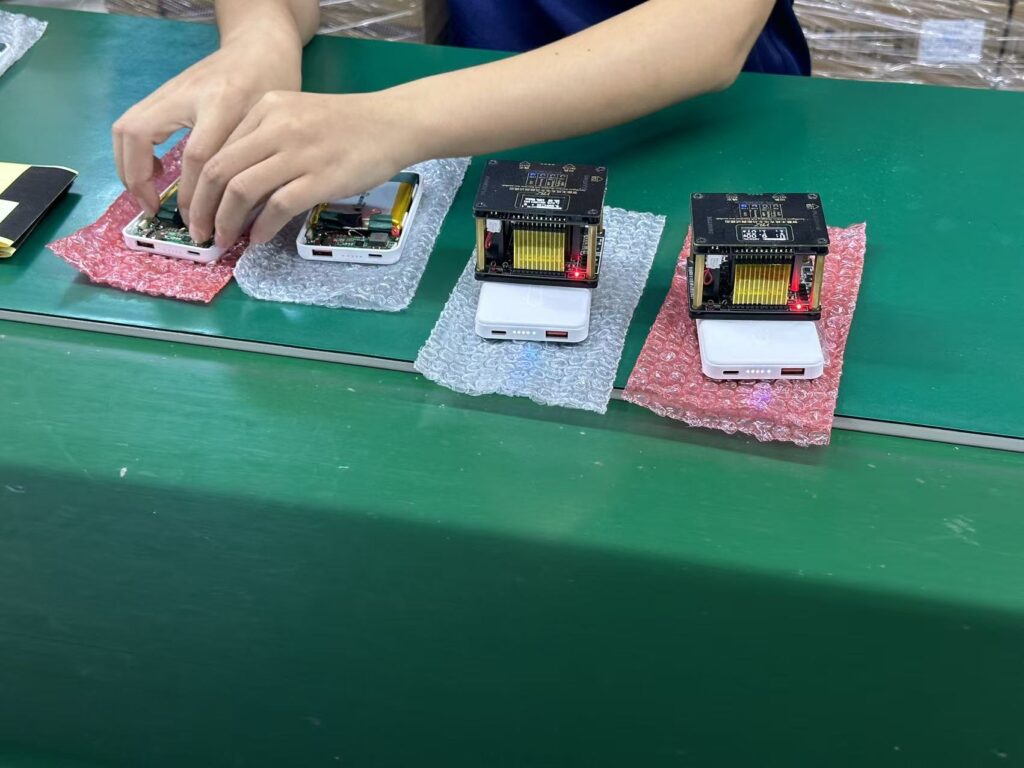
Launching a new product can be exciting but also risky. We understand that you want to be sure before investing a lot of money. We work with clients to help them test the waters without diving in headfirst. The key is to start small and gather real data.
- Sample Orders and Prototyping:
- The first step is often to create high-quality samples. This is not just about seeing the product; it’s about getting it into the hands of potential customers or key stakeholders for feedback. We offer detailed prototyping services, producing physical or digital models quickly. This allows you to check the design, function, and user experience, identify design flaws early, and refine solutions. This process helps reduce time-to-market, minimize financial risks, and catch issues cheaply before mass production begins. I remember one client who discovered a small ergonomic issue with a power bank during the prototyping phase. We fixed it easily, saving them a huge recall cost later.
- Small Batch Production Runs:
- Once samples are approved, consider a small batch production. This could be anywhere from a few dozen to a few hundred units (e.g., 100-500 units), depending on the product. This small run helps you test the entire production process, from assembly to packaging. It also lets you conduct a limited market release, selling these units to a specific target group or using them for focused marketing campaigns. This approach provides lower upfront capital investment, better quality control, reduced inventory risk, and increased flexibility for design modifications based on early feedback, giving you real sales data and customer reviews without the large inventory risk. This can free up funds for research, development, and marketing.
- Market Testing with Focused Groups:
- Use the small batch products for focused market testing. This can involve sending products to reviewers, running targeted online ads, or selling through a single small channel. Collect detailed feedback on price, features, and overall satisfaction. This direct input is gold and aligns with the importance of concept testing and market research in B2B product development. It helps you refine your product and marketing strategy for a wider launch by validating ideas and gathering insights.
- Phased Rollout Strategy:
- Instead of launching everywhere at once, consider a phased rollout. Start in one region or on one e-commerce platform. As you gather success and confidence, expand to more markets. This strategy lets you scale up slowly, managing risk at each stage. Small batch production facilitates faster time-to-market and rapid iteration based on real-world user data. It also allows us to adjust our production schedule to match your growing demand.
| Low-Risk Testing Method | Purpose | Benefits | Our Role |
|---|---|---|---|
| High-Quality Prototyping | Validate design and functionality | Catch issues early; reduce rework costs; minimize financial risks. | Provide fast, accurate prototypes; engineering feedback. |
| Small Batch Production | Test manufacturing process; limited market release | Minimize inventory risk; get real sales data; lower capital investment. | Flexible MOQ options; efficient small-run production. |
| Targeted Market Feedback | Gauge customer interest and pricing | Refine product features and marketing messages; rapid iteration. | Provide detailed product specifications and visuals for marketing. |
| Phased Regional Launch | Scale up gradually | Manage financial risk; adapt to market responses over time. | Support flexible production volumes and delivery schedules. |
These methods give you the control you need to make smart decisions. They turn big risks into small, manageable steps.
Conclusion
How we handle small orders reveals our deep commitment to partnership and your brand’s journey. We believe in balancing efficiency with your growth needs, ensuring flexibility and support from initial tests to scaling up. This is how true, long-term collaboration begins and thrives.