Ever wonder how long your trusty power bank will last? It’s frustrating when your portable charger gives up too soon. I know that feeling because many users share it.
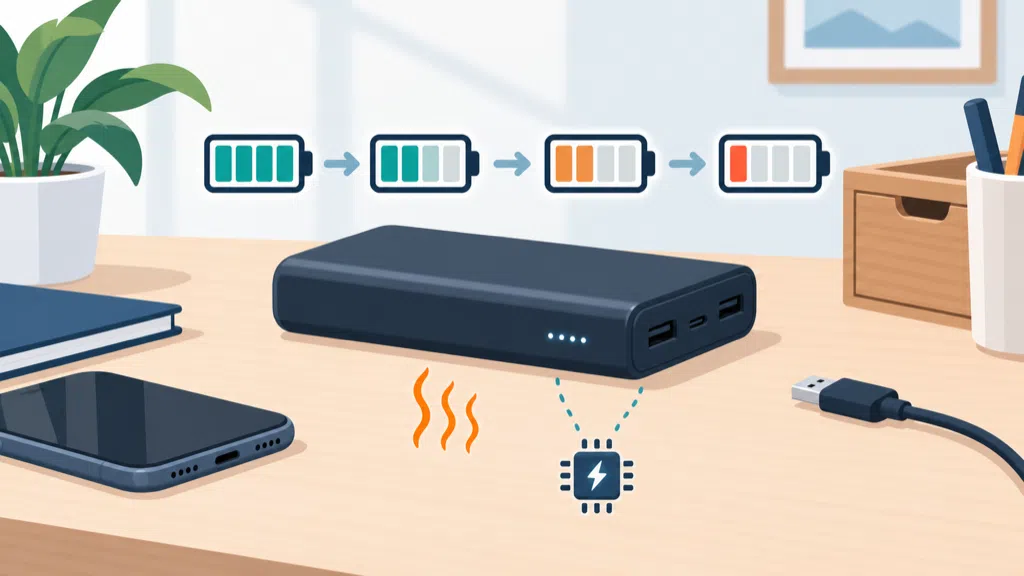
A power bank’s lifespan mostly depends on its battery type and how you use it. Most power banks are rated for 300-500 full charge cycles, after which the battery starts to degrade, retaining about 60-80% of its original capacity. This equates to roughly 2-3 years, but some advanced types can reach 1,000 cycles or more with good care.

Many people just use their power banks until they die, never thinking about what makes them last or fail. But understanding what’s inside these useful devices can help you choose better ones and make them last longer. I believe it is important to look closer at the battery secrets inside your portable power. We can find out how to keep them working for you.
How many charge cycles can a power bank last?
Is your power bank losing its punch after a while? You might be counting down its last charges without even knowing it. I can help you understand this better.
The number of charge cycles a power bank can handle varies greatly by battery type and the quality of its cells. Ternary lithium-ion batteries commonly offer around 300 cycles, while LiFePO₄ batteries can reach up to 1,000 cycles or even more. A "charge cycle" is defined as a full discharge (from 100% to 0%) and recharge, but partial discharges and recharges contribute cumulatively to a full cycle. This is a key factor in how long your device will serve you.
Understanding Battery Types and Their Cycles
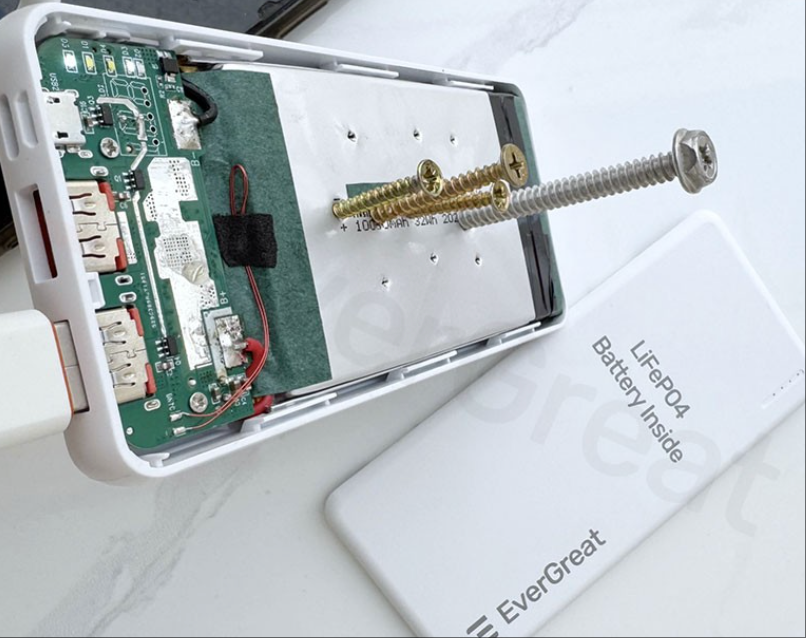
From my experience, the life of a power bank is mainly decided by the battery cells inside. I have seen many kinds over the years. Most power banks on the market today use ternary lithium-ion batteries. These batteries typically last about 300 charge cycles. This means you can fully charge and discharge the power bank 300 times before its capacity significantly drops. Newer semi-solid-state batteries also exist, which can reach over 2000 cycles. Those made with winding (jelly-roll) technology give a similar lifespan to ternary lithium-ion, around 300 cycles. However, semi-solid-state batteries made with stacking technology perform better. These usually reach about 500 charge cycles. This is a good jump in longevity for users. For the longest lifespan, LiFePO₄ (lithium iron phosphate) batteries stand out. These batteries typically offer around 1,000 charge cycles, and some can even reach 2,000 to 3,000 cycles. This is a big difference. It means they can last much longer than other types. Different battery materials and how they are made lead to very different lifespans. Choosing the right one depends on how often you will use the power bank. It also depends on what you need it for. I always advise people to think about their usage when picking a power bank. Premium lithium-ion or lithium-polymer batteries from reputable brands can last 2-3 times longer than cheaper alternatives.
| Battery Type | Typical Charge Cycles | Notes |
|---|---|---|
| Lithium-Ion (Li-ion) | 500-1000 | High energy density, narrow low-temp range |
| Lithium Polymer (Li-Poly) | 800-1200 | Flexible design, lighter |
| Lithium Iron Phosphate (LiFePO₄) | 2000-3000 | Longest lifespan, very durable, thermally stable |
| Ternary Lithium-Ion | ~300 | Common, good balance of cost and performance, can be NMC or NCA |
| Semi-Solid-State (Winding) | ~300 | Similar to ternary, new tech |
| Semi-Solid-State (Stacking) | ~500 | Better performance, more stable |
What factors shorten the lifespan of a power bank?
Are you doing things that silently kill your power bank? Many common habits can cut its life short without you even knowing it. I see this happen often with my customers.
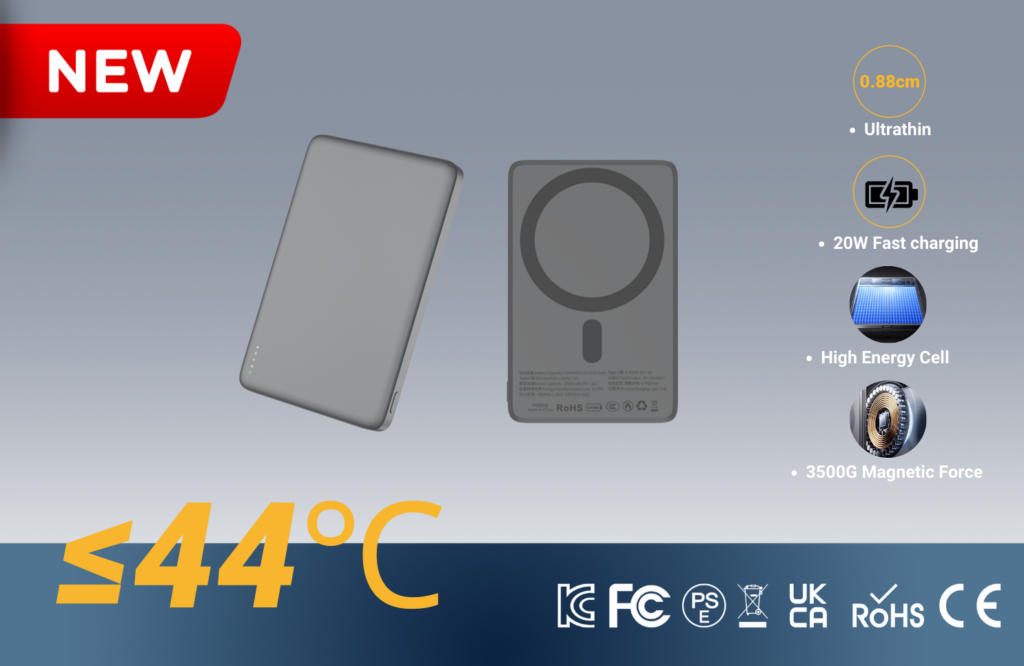
Factors like extreme temperatures, frequent deep discharges, and improper storage significantly shorten a power bank’s lifespan. Overcharging, leaving it fully depleted for long times, and using incompatible chargers also cause damage over time, reducing its overall use. Optimal operating temperature is between 0°C and 40°C. Exposure to temperatures above 35°C can permanently reduce battery capacity.
Common Causes of Early Power Bank Failure
I have seen power banks fail much earlier than they should. This often comes down to how people treat them. One big factor is extreme temperatures. Leaving your power bank in a very hot car can be bad. This is because high heat speeds up battery degradation. The same is true for very cold temperatures. They can also harm the battery’s health. Another common problem is frequent deep discharges. Letting your power bank run completely out of battery power all the time is not good for it. Batteries like to stay between 20% and 80% charge. Always draining them to zero puts a lot of stress on the cells. Improper storage is also a killer. If you store your power bank fully charged for a long time, it can lose capacity. If you store it fully empty, it can fall into a deep discharge state that might make it unusable. I always recommend storing power banks with about 50% charge if you won’t use them for a while, ideally between 40% and 60%. Recharge every 3-6 months to prevent over-discharge. Overcharging is another issue, though modern power banks have protection circuits. Still, keeping them plugged in for days after they are full can still cause slight stress. Using chargers that are not right for your power bank can also cause issues. This might be wrong voltage or current levels. These mistakes add up and reduce the overall lifespan of the power bank much faster than expected.
Key Factors Affecting Power Bank Lifespan
| Factor | Impact on Lifespan | Recommendation |
|---|---|---|
| Extreme Temperatures | Accelerates battery degradation | Avoid very hot (above 35°C) or cold environments (below 0°C) |
| Deep Discharges | Stresses battery cells, reduces cycles | Charge before it hits 0%, avoid full drain, maintain between 20%-80% |
| Improper Storage | Loss of capacity, deep discharge | Store at 40%-60% charge if unused for long periods, recharge every 3-6 months |
| Overcharging | Minor stress, potential heat | Unplug once fully charged for best practice |
| Incompatible Chargers | Can damage circuitry, inefficient charging | Use original or certified chargers only |
Does fast charging reduce a power bank’s lifespan?
Do you love the speed of fast charging but worry about battery health? It’s a common concern for many users. I hear this question all the time.
Fast charging can generate more heat, which might slightly reduce a power bank’s lifespan over a very long period. However, modern power banks have smart management systems (BMS). These systems actively monitor the battery’s temperature and regulate the charging flow to control heat and prevent major damage, making fast charging generally safe for regular use without big worries. Using certified chargers is crucial for safe and efficient fast charging.
The Truth About Fast Charging and Battery Health
When people ask me about fast charging1, I understand their concerns. It seems logical that pushing more power faster would cause more wear. Fast charging works by delivering a higher current to the battery. This process can generate more heat than standard charging. Heat is a known enemy of battery health. Too much heat can speed up the chemical reactions inside the battery that cause it to degrade. This means that if your power bank gets very hot often due to fast charging, its lifespan could theoretically be a little shorter. However, we have made big advancements in power bank technology. Modern power banks and their battery cells are designed with safety and efficiency in mind. They include sophisticated battery management systems (BMS)2. These systems actively monitor the battery’s temperature. If the temperature gets too high, the BMS will slow down the charging rate. This helps to prevent overheating and protect the battery from damage. This means that while fast charging does produce more heat, the power bank itself usually manages this heat well. So, for most users and in most daily situations, using fast charging will not significantly or noticeably shorten the lifespan of a good quality power bank. The convenience it offers often outweighs the very small, theoretical risk for the average consumer. I always tell customers to trust the built-in safeguards of quality products.
Fast Charging: Pros and Cons for Lifespan
| Aspect | Description | Impact on Lifespan |
|---|---|---|
| Increased Heat | Higher current flow generates more heat | Minor negative |
| Battery Management Systems (BMS) | Monitors temperature, regulates charging flow | Major positive |
| Modern Cell Design | Batteries are made to handle higher currents | Neutral to positive |
| Convenience | Faster charging saves time | No direct impact |
| Overall Effect | Generally safe with quality power banks | Minimal impact |
Conclusion
Understanding your power bank’s battery type and how you use it can greatly extend its life. Choose wisely and care for it well for lasting power. A higher capacity power bank (20,000mAh or more) can extend lifespan by reducing the frequency of full discharge cycles. Consider the power rating / storage capacity. Also, using quality cables and adapters can prevent strain on the battery.