Do you ever wonder why your power bank stops holding a charge like it used to? I know it’s frustrating when your essential portable power loses its spark. The truth is, common habits and environmental factors slowly degrade its performance.
Your power bank’s capacity can drop quickly due to everyday habits like draining it to 0%, physical damage, or exposure to liquids. High temperatures and rapid charging also stress its battery, while low-quality internal components can lead to premature failure right from the start. How you use and care for it truly impacts its life.
I understand how crucial a reliable power bank is in our daily lives. From my experience, seeing them fail prematurely often comes down to a few key areas people overlook. Let me break down the specific issues that can silently chip away at your power bank’s strength and capacity.
What daily habits cause a power bank to lose capacity faster?
Are you accidentally killing your power bank with everyday actions? It’s a common problem I see. Many people unknowingly shorten their device’s life. I will show you the key habits to break.
Daily habits such as frequently draining your power bank completely, physically dropping it, or exposing it to moisture can severely reduce its capacity and overall lifespan. For magnetic power banks, regularly attaching them to metal surfaces can also weaken their internal magnets, impacting future performance.
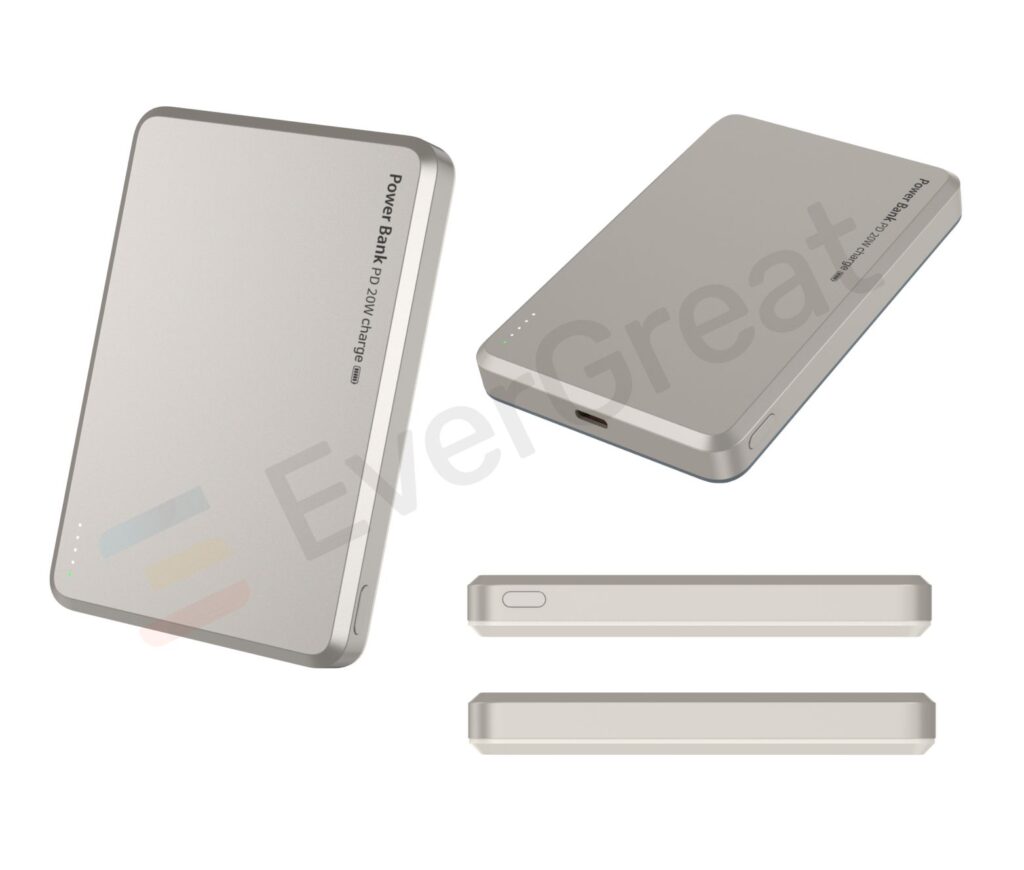
From my insights, how we handle these devices daily makes a huge difference. I’ve seen countless power banks come in with issues directly linked to poor user habits. Knowing these simple mistakes helps you protect your investment and keep your device working longer.
The Impact of Deep Discharges and Physical Stress
I often find that one of the biggest culprits for shortened power bank life is simply how we charge and use them. Lithium-ion batteries, which power most modern power banks, do not like to be fully drained to 0%. When I say "deep discharge," I mean letting the battery completely die before recharging. This stresses the battery cells, reducing their overall cycle life. Each time a battery goes from full to empty, it counts as one "cycle." Over time, these cycles wear down the chemical components inside, making them less efficient at storing energy. While some sources suggest that occasional full discharge cycles can help recalibrate the battery’s charge percentage, this should not be a regular practice. I always recommend charging your power bank before it hits critically low levels, ideally keeping it between 20% and 80% charged. This gentle charging range prolongs its health significantly.
Protecting Against Drops, Liquids, and Magnetic Interference
Beyond charging habits, physical care is equally important. I have seen firsthand the damage a simple drop can cause. An accidental fall can dislodge internal components, crack the circuit board, or even damage the battery cells themselves, leading to reduced performance or complete failure. Similarly, liquids are a power bank’s worst enemy1. Even a small amount of moisture can short-circuit the internal electronics, corroding connections and rendering the device unusable. I always advise keeping your power bank away from water, coffee, or any other liquids. For those who use magnetic power banks2, like the ones that attach to phones, I’ve noticed a specific issue. Regularly sticking them to strong metal surfaces, such as an iron shelf or a heavy toolbox, can weaken the internal magnets over time. This makes them less effective at attaching securely to your phone or other devices, diminishing their intended convenience and potentially affecting wireless charging alignment. It’s a small detail, but I’ve learned that attention to these practical aspects truly matters for longevity.
| Bad Habit | Impact on Power Bank | My Recommendation |
|---|---|---|
| Deep Discharge (0%) | Reduces battery cycle life, increases internal resistance | Charge before it drops below 20% |
| Physical Drops | Damages internal circuits, battery cells, or connectors | Use protective cases, handle with care |
| Liquid Exposure | Short circuits, corrosion, permanent failure | Keep away from water, use in dry environments |
| Magnetic Attachment | Weakens magnets in magnetic power banks | Avoid attaching to strong, external metal surfaces |
How do heat and charging speed affect long-term battery health?
Does your power bank feel hot while charging or in use? Many people don’t realize heat and charging speed are silent battery killers. I am here to reveal how these factors quietly ruin your device.
High temperatures, both from the environment or during use, accelerate the chemical degradation within your power bank’s battery cells, reducing capacity. Similarly, consistently using very high-speed charging can stress the battery more, generating internal heat and potentially shortening its overall lifespan.

I have often observed that environmental factors and charging methods are frequently underestimated when it comes to battery health. My experience shows that while modern power banks have built-in protections, pushing them constantly to extremes can still cause significant damage over time.
The Silent Damage of Temperature Extremes
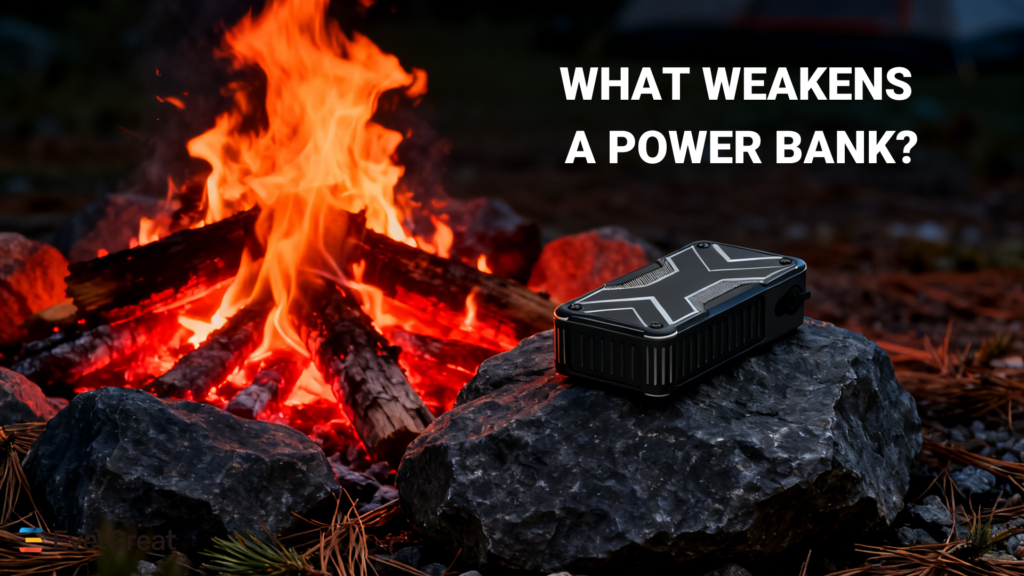
I always tell people that temperature is a major factor in how long a battery lasts. My insight is that both excessively high and very low temperatures can cause significant damage to the internal chemistry of a power bank. High heat, for example, accelerates the chemical reactions inside the lithium-ion cells that lead to degradation. When your power bank gets hot, especially when left in a car on a sunny day or used in direct sunlight, the internal components wear out faster. This results in a permanent loss of capacity, meaning it simply cannot hold as much charge as it used to. Operating a power bank at elevated temperatures can cause the battery to age more quickly than normal. On the other end, very low temperatures can also affect performance. While cold typically causes a temporary reduction in capacity and slower charging, repeatedly exposing a battery to freezing conditions can still cause long-term stress and damage to the cell structure. The optimal temperature range for storing and using a power bank is generally between 10°C and 30°C (50°F to 86°F). I recommend storing and using your power bank within a moderate temperature range, ideally between 10°C and 30°C (50°F to 86°F), to ensure optimal battery longevity.
Understanding Charging Speed and Its Effects
Another key area I focus on is charging speed. While fast charging is incredibly convenient, consistently subjecting your power bank to the fastest possible charging speeds can take a toll. My experience in the industry tells me that faster charging typically generates more internal heat within the battery. This extra heat, combined with the higher current, can stress the battery cells more aggressively than slower charging. It’s like asking an engine to run at maximum RPM all the time; it will wear out faster. Over time, this stress can lead to lithium plating, which is the formation of metallic lithium on the anode, further reducing capacity and potentially increasing the risk of internal short circuits. While power banks are designed to handle fast charging, I usually suggest using a standard charger for overnight charging or when you are not in a hurry. Save the super-fast chargers for when you truly need a quick boost. This balanced approach helps to extend the overall life of your power bank, keeping it healthy for longer.
| Factor | Impact on Power Bank Battery | My Advice |
|---|---|---|
| High Temperatures | Accelerates chemical degradation, permanent capacity loss | Avoid direct sunlight, hot cars; use in cool places |
| Low Temperatures | Reduces temporary capacity, causes long-term stress | Avoid freezing conditions; store at room temperature |
| Fast Charging Speed | Generates more internal heat, stresses battery cells | Use standard charging when possible; fast charge when needed |
Can poor internal components make a power bank degrade sooner?
Did you buy a power bank that died too quickly? I’ve seen it many times. The hidden truth is often inside the device. I will show you why cheap internal components can ruin your power bank from day one.
Yes, a power bank built with poor internal components, such as low-quality battery cells, inadequate circuit boards (BMS), or weak connectors, will inevitably degrade sooner. These inferior parts fail to offer proper protection or stable performance, leading to rapid capacity loss and early operational failure.
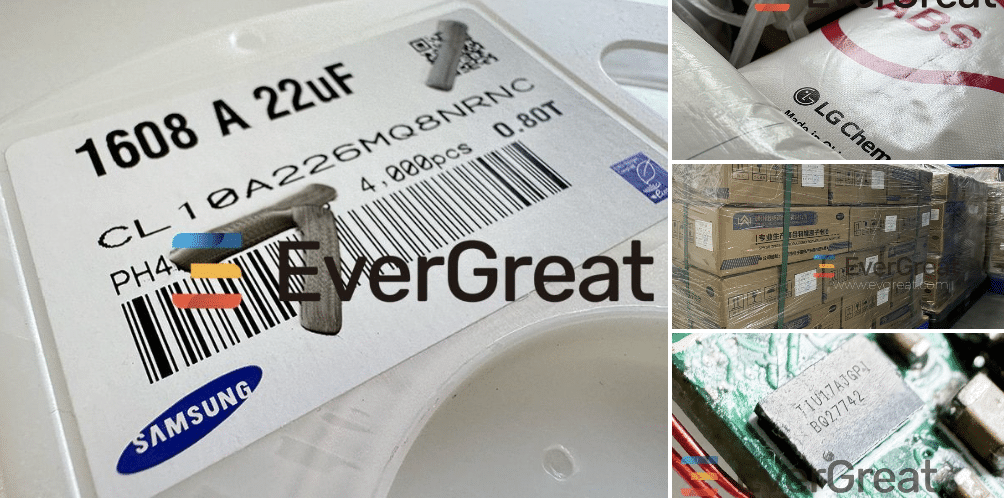
I find that many people focus on external design and advertised capacity, but the real story of a power bank’s longevity is deep inside. My years in this industry have taught me that a power bank is only as good as its weakest component.
The Critical Role of Quality Battery Cells and BMS
My insights consistently show that the core of any power bank is its battery cells. Many budget power banks use generic or recycled cells, which often lack the rigorous testing and consistent quality of branded cells from reputable manufacturers like Samsung, LG, or Panasonic. These inferior cells typically have a much lower cycle life, meaning they lose capacity after fewer charge-discharge cycles. They can also suffer from higher internal resistance, leading to more heat generation and less efficient power transfer. I’ve seen capacity drop by 30-50% within a year with such cells. Just as crucial is the Battery Management System, or BMS, which is part of the circuit board. A good BMS protects against overcharging, over-discharging, short circuits, and excessive current. A poorly designed or cheap BMS might fail to provide these protections effectively. This can not only shorten the battery’s life but also pose safety risks, such as overheating or even swelling. I always look for power banks that specify using high-quality cells and robust protection circuits, as this is a clear sign of a product built to last.
The Importance of Robust Connectors and Overall Build
Beyond the cells and BMS, other internal components, such as connectors and wiring, play a significant role. My experience tells me that flimsy charging ports (USB-C, USB-A) can break or become loose easily, leading to unreliable charging or data transfer. Low-quality wires inside might not handle the current efficiently, causing heat buildup and power loss. Even the solder joints on the circuit board matter; cold or weak solder can lead to intermittent connections and eventual failure. Furthermore, the overall physical construction and the materials used for the casing also contribute to its durability. A cheaply made enclosure offers little protection against impacts or environmental factors. I have learned that a well-designed power bank, even one that looks simple on the outside, has been engineered with attention to these details. Quality manufacturers invest in better components and assembly processes because they understand that long-term reliability builds trust. When you choose a power bank, remember that paying a little more for a well-known brand or one from a manufacturer with a reputation for quality components can save you money and frustration in the long run.
| Component | Impact of Poor Quality | My Observation |
|---|---|---|
| Battery Cells | Lower cycle life, faster capacity degradation, less stable | Leads to quick power loss, unreliable charging |
| BMS (Circuit Board) | Insufficient protection, safety risks, inefficient charging | Battery can overcharge/discharge, potential overheating |
| Connectors & Wiring | Loose connections, slow charging, physical breakage | Charging ports fail, cables become unreliable |
| Enclosure & Build | Poor impact resistance, less durable, faster wear | Device gets damaged easily, components shift internally |
Conclusion
My experience shows that a power bank weakens from daily abuse, temperature extremes, fast charging, and cheap internal parts. Protecting it from drops, heat, and full drains ensures it lasts longer.