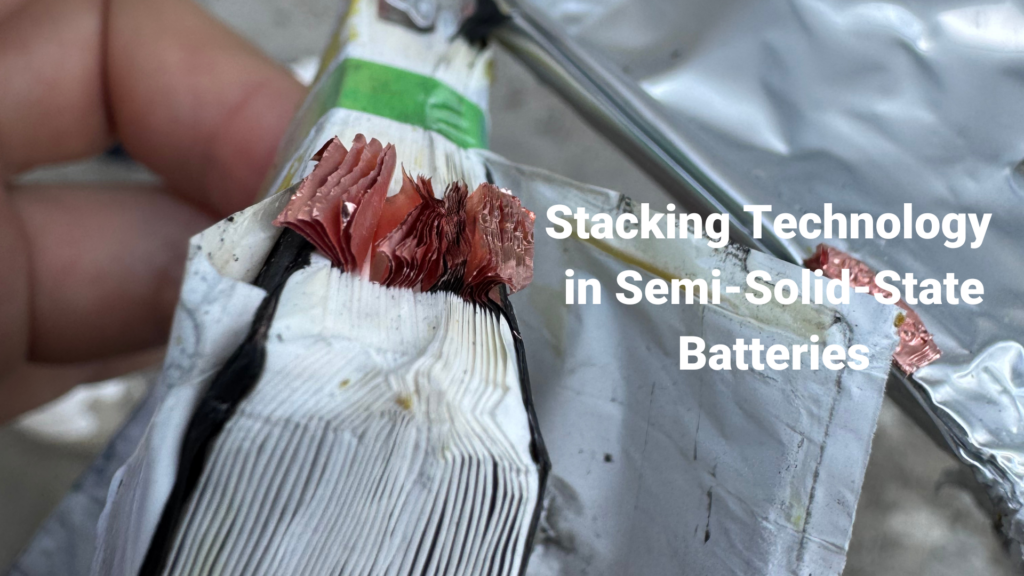
Power banks power our busy lives. But what happens when they die? Many people wonder about proper disposal. Simply tossing them in the trash seems easy. But this is a serious mistake. Knowing how to dispose of them safely protects everyone.
No, you cannot just throw away a power bank. Power banks contain lithium-ion batteries. These are hazardous waste and require special disposal. Improper disposal can cause fires, harm the environment, and even create a safety risk for others. You must recycle them correctly.
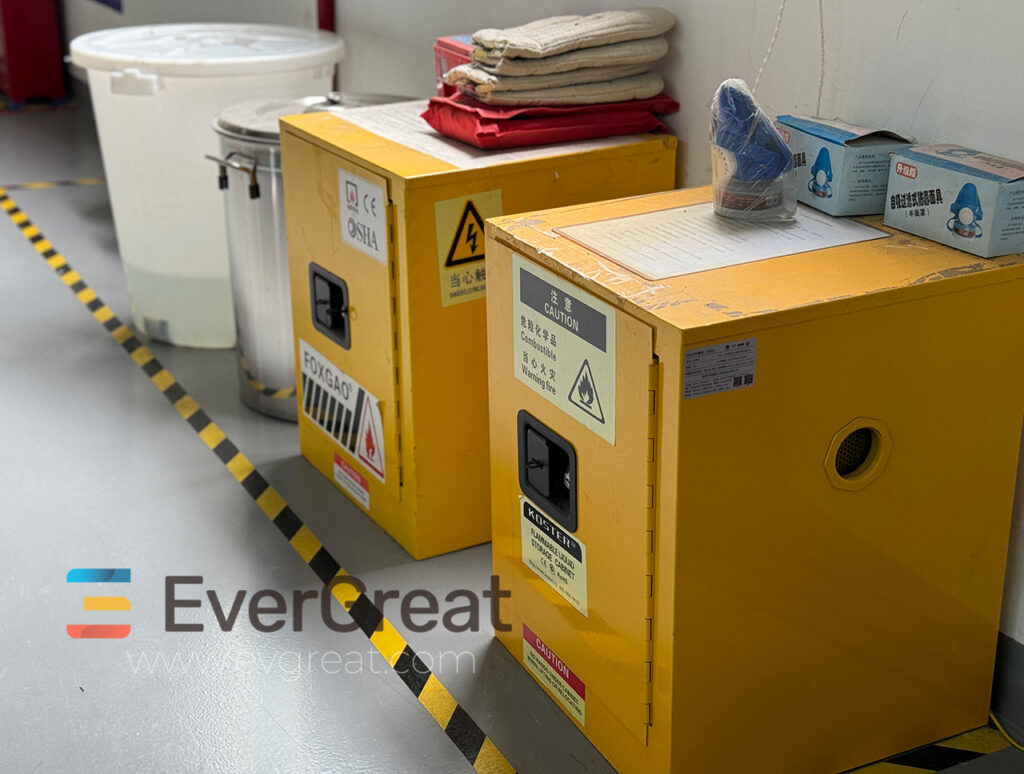
I used to think all electronics went in the same bin. But power banks are different. They hold a lot of power, even when dead. This hidden energy can become a real danger. Let’s look closer at why this matters and what we can do. We need to keep our homes and our planet safe.
Why are power banks considered hazardous waste?
Power banks seem harmless when they stop working. But inside, there is a hidden danger. Ignoring this danger puts homes, trash collectors, and the environment at risk. Understanding these risks helps us make better choices.
Power banks are hazardous waste because they contain lithium-ion batteries. These batteries can catch fire or explode if damaged or disposed of incorrectly. They also contain toxic chemicals that can leak into the soil and water, harming ecosystems and human health. This makes special handling necessary.

Many people do not know what makes power banks so risky. I did not realize it at first. The danger comes from the type of battery inside. Most power banks use lithium-ion cells. These batteries are very good at holding power. But they also come with risks. When a power bank gets old or damaged, these risks increase a lot. A small dent or a drop can harm the battery. This damage can start a dangerous reaction. This reaction is called thermal runaway. It can lead to fires or explosions. This happens fast and can be very serious. Also, these batteries contain heavy metals and other chemicals. These chemicals are bad for the environment. If they end up in a landfill, they can seep into the ground. They can pollute our soil and water. This hurts plants, animals, and people. We must handle them with care to avoid these problems. This keeps our homes and our planet safer.
What are Lithium-Ion Batteries?
Lithium-ion batteries power many of our devices. They are in phones, laptops, and power banks. These batteries store a lot of energy in a small space. This makes them very useful. But this high energy density also means they need careful handling.
The Risk of Thermal Runaway
Thermal runaway is a dangerous process. It happens when a lithium-ion battery overheats. This can be due to damage, overcharging, or improper disposal. When it starts, the battery’s temperature rises very quickly. This creates a chain reaction. The battery can then catch fire or even explode. This puts anyone nearby in danger. A case study by the National Fire Protection Association (NFPA) details incidents of fires caused by thermal runaway in lithium-ion batteries, highlighting the dangers of improper disposal.
Environmental Contamination
Lithium-ion batteries contain harmful substances. These include heavy metals1 like cobalt, nickel, and manganese. They also have electrolytes. If these batteries break open in a landfill, these substances can leak out. They can mix with rainwater. This contaminated water can then flow into rivers and groundwater2. This pollutes our drinking water and harms ecosystems3. A study published in the journal Environmental Science & Technology found that heavy metals from discarded lithium-ion batteries can leach into soil and groundwater2, posing a risk to ecosystems3.
| Risk Factor | Description | Impact |
|---|---|---|
| Fire/Explosion | Thermal runaway in damaged batteries | Immediate danger to people and property |
| Toxic Leaks | Chemicals escaping from broken cells | Soil and water pollution |
| Heavy Metals | Presence of cobalt, nickel, manganese | Long-term environmental damage, health risks |
| Flammability | Lithium reacting with air/water when exposed | Can ignite easily in uncontrolled environments |
Where can you recycle old or damaged power banks?
My power bank stopped charging. I worried about what to do with it. Many feel confused about where to take these specific items. Luckily, there are clear, safe ways to recycle them. Finding the right spot is easier than you think.
You can recycle old or damaged power banks at specialized battery recycling drop-off points. Many electronics stores, local waste management facilities, and community recycling programs accept them. Always check with your local municipality or a national recycling locator for the nearest approved location. This ensures safe disposal.
Finding a place to recycle your old power bank is important. It is not hard once you know where to look. I always recommend starting with a quick online search. Look for "battery recycling near me" or "electronics recycling." This will often show you local options. Many large retail stores that sell electronics also have recycling programs. They understand the need to handle these items correctly. For example, some big box stores have special bins. You can drop off old batteries and small electronics there. Local government waste facilities are another good option. Many cities and towns have dedicated recycling centers. These centers often accept hazardous waste like power banks. They know how to process them safely. Some areas even hold special collection events a few times a year. These events make it easy for residents to drop off tricky items. Before you go, it is always a good idea to call ahead. Confirm that they accept power banks. This saves you a trip. Make sure to tape the terminals of your power bank. This helps prevent short circuits during transport. Recycling is a simple step that makes a big difference for our planet and safety.
Local Recycling Centers
Your city or county waste management department usually runs these centers. They are equipped to handle various types of hazardous waste. These facilities have proper storage and processing methods for lithium-ion batteries. You can often find their locations and operating hours on your local government website.
Retail Store Drop-offs
Many large electronics retailers or office supply stores offer in-store recycling programs. They often have collection bins near the entrance. These programs are convenient for consumers. They help ensure that used batteries and small electronics are recycled responsibly. Best Buy, Staples, and Home Depot are examples of stores that often have in-store recycling bins. It is best to check their website or call to confirm their policy before you visit.
Manufacturer Programs
Some power bank manufacturers or battery brands offer their own take-back programs. This means you can return your old device directly to them. This is a less common option but worth checking, especially for higher-end products. Dell and HP are examples of manufacturers that offer recycling services for their products. These programs often ensure that the materials are recovered and reused in new products.
| Recycling Option | Typical Locations | What to Look For |
|---|---|---|
| Local Recycling | Municipal waste centers, community hubs | Hazardous waste sections, special bins |
| Retail Store Drop-offs | Best Buy, Staples, Home Depot, etc. | In-store collection bins, customer service |
| Special Events | City-organized hazardous waste days | Local government announcements |
| National Programs | Call2Recycle, Earth911 (online locators) | Search by zip code for nearby sites |
| Manufacturer Take-back | Check brand’s official website | Return policies, recycling initiatives |
What happens if a power bank is thrown into regular trash?
Tossing a dead power bank into the regular bin feels like the easiest option. This simple act has serious, far-reaching consequences we often do not see. Knowing these outcomes helps us choose the right path every time. We must be responsible.
If a power bank is thrown into regular trash, it creates serious risks. It can cause fires in waste bins, garbage trucks, and landfills due to battery damage. Toxic chemicals can leak into the environment. A damaged power bank might also be picked up by someone else, posing a severe safety hazard. This endangers everyone.
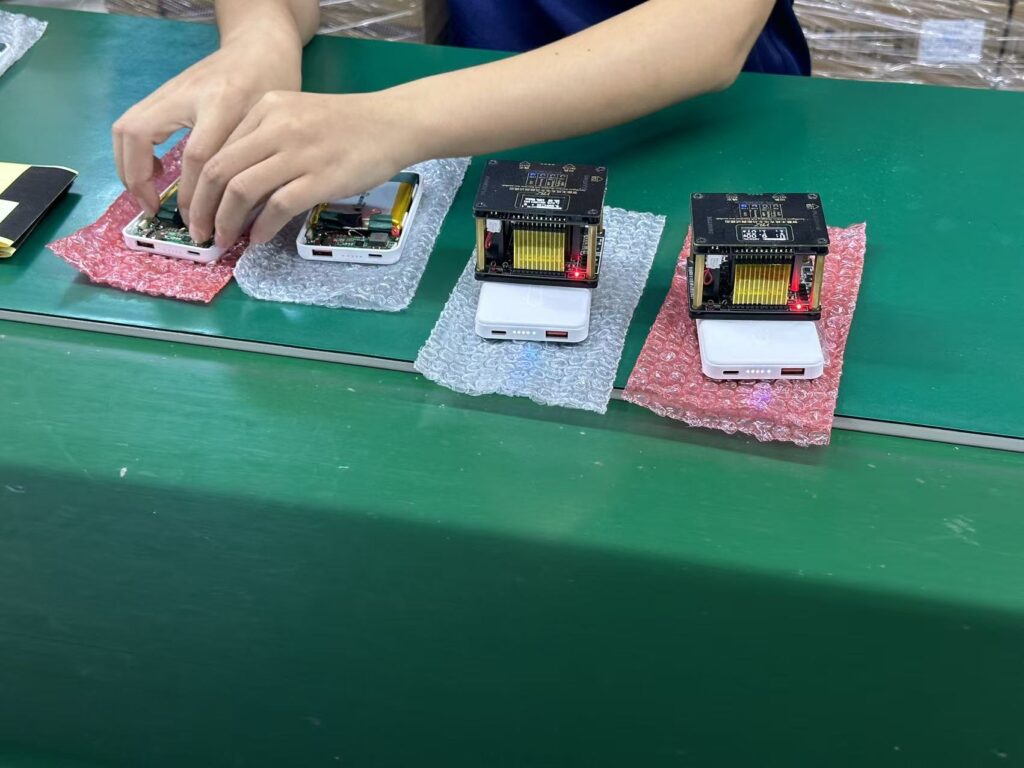
Throwing a power bank into the regular trash can seem harmless. But it causes many serious problems. I used to think a dead battery was just "dead." I did not know it still held so much potential for harm. One of the biggest dangers is fire. When power banks end up in household trash, they go into garbage trucks. These trucks compact the trash. This crushing can damage the power bank’s battery. A damaged lithium-ion battery can short-circuit. It can then overheat and catch fire. These fires can be very dangerous for waste management workers. They can also destroy the garbage truck itself. Fires can also start in landfills or recycling centers. This puts workers and the environment at risk. According to a 2022 report from the National Waste & Recycling Association (NWRA), lithium-ion batteries are the cause of over 70% of the fires in waste and recycling facilities. Beyond fires, there is the issue of pollution. The toxic chemicals inside the battery can leak out. They mix with other waste. These chemicals then seep into the soil and groundwater. This causes long-term environmental damage. It harms ecosystems. Also, someone might pick up a discarded power bank. They might try to use it without knowing it is damaged. This creates a severe safety risk for that person. We must prevent these outcomes. We need to dispose of power banks correctly every time.
Fire Hazards in Waste Streams
Lithium-ion batteries can easily ignite when damaged. This damage often happens during waste collection and compaction. When a power bank is crushed in a garbage truck, it can spark. This spark can quickly set other trash on fire. These fires are hard to put out. They release toxic fumes. They also endanger waste workers and municipal property.
Environmental Damage
Power banks contain heavy metals and other toxic materials. If these batteries end up in landfills, their casings can break down. The harmful chemicals then leach into the surrounding soil and water. This pollution can spread. It contaminates agricultural land and drinking water sources. This poses health risks to humans and wildlife.
Risk to Waste Management Workers
Waste collectors and recyclers face direct danger from improperly discarded power banks. Fires in trucks or sorting facilities put their lives at risk. Workers might also be exposed to toxic fumes or exploding batteries. The Solid Waste Association of North America (SWANA) has issued guidelines for waste management facilities to handle lithium-ion batteries safely, including training and fire suppression measures. Safe disposal protects these essential service providers.
Public Safety Concerns
A power bank thrown into regular trash might be found by someone. This person might not know it is damaged or unsafe. They might try to charge or use it. A compromised battery can then overheat, catch fire, or explode unexpectedly. This creates an avoidable public safety hazard.
| Impact Category | Specific Consequences | Who/What is Affected |
|---|---|---|
| Fires | In garbage trucks, landfills, recycling plants | Waste workers, property, air quality |
| Pollution | Toxic chemicals leak into soil, water | Environment, wildlife, human health |
| Worker Safety | Risk of injury or exposure to toxic fumes | Waste management personnel |
| Public Safety | Damaged power banks used by unaware individuals | Anyone who finds and attempts to use the device |
| Resource Waste | Valuable materials lost to landfills | Future manufacturing, natural resources |
Conclusion
Never throw power banks in regular trash. They are hazardous. Recycle them properly to prevent fires, pollution, and safety risks. This protects our world and everyone in it.
-
Understanding the impact of heavy metals is crucial for environmental protection and public health. ↩
-
Explore this link to understand how lithium-ion batteries impact groundwater and the environment, ensuring safe water for all. ↩ ↩
-
Explore this link to understand how lithium-ion batteries threaten ecosystems and what can be done to mitigate these risks. ↩ ↩