Ever found your phone battery dying mid-trip? A power bank is a true lifesaver. But carrying one on a plane can be tricky. Don’t get caught unaware!
Yes, you can bring a power bank on a plane, but only in your carry-on luggage. Most airlines allow power banks under 100 watt-hours (Wh). Never put them in checked bags due to fire risks, as this is a strict safety regulation.
Navigating airline rules for electronics can be confusing. I know I’ve felt that stress before, worried I’d have to leave an important item behind. Let’s break down the details to make sure your next flight is worry-free and your devices stay charged.
What size power bank is allowed in carry-on luggage?
Planning to keep your gadgets charged while traveling? Power bank size matters for air travel. Make sure yours fits the rules.
Generally, power banks with a capacity of up to 100 watt-hours (Wh) are allowed in carry-on bags. Some airlines permit up to 160 Wh with special airline approval. Always check your specific airline’s policy first to avoid issues. The standard limit is 100 Wh for carry-on power banks.
When I travel, one of the first things I check is my power bank’s capacity. The most common rule you’ll encounter is the 100 Wh limit for carry-on luggage. This covers most standard power banks. I usually have a few different ones, and I always make sure the one I pick for my flight is under this limit. For a 3.7V power bank (typical for lithium-ion), 100 Wh equates to approximately 27,027 mAh. Power banks around 20,000 mAh (at 3.7V) are generally within the limit. A 20000mAh power bank at 3.7V is 74 Wh. A 30000mAh power bank at 3.7V is 111 Wh.
If your power bank is between 101 Wh and 160 Wh, you might be able to bring it, but it usually requires airline approval. This means you need to contact them in advance. Some airlines allow 101-160 Wh with prior approval. You are limited to a maximum of two spare batteries per person for the larger lithium ion batteries described above (101–160 watt hours per battery). Airlines like United and Delta permit up to two lithium batteries between 100-160 Wh in carry-on baggage with airline approval. Emirates and flydubai require power banks to go under the seat and do not allow them in overhead bins. Power banks over 160 Wh are almost universally prohibited from flights, both in carry-on and checked luggage. This is a big safety concern due to the risk of overheating and fire.
It’s also important to remember that even if your power bank is allowed, you cannot use it to charge devices during the flight. This rule helps prevent any potential issues in the cabin. I once forgot this and tried to plug in my phone, only to be politely reminded by a flight attendant. It’s a small detail but an important one for smooth travel. Many airlines, including Qantas, Virgin Australia, Emirates, Singapore Airlines, Cathay Pacific, Thai Airways, EVA Air and Korean Air, ban the use of power banks to charge devices during flights. Changes in air pressure and cabin temperature can stress batteries. Some airlines like Singapore Airlines and Malaysia Airlines have banned the charging of power banks via onboard USB ports.
Understanding Watt-Hours (Wh) vs. Milliamp-Hours (mAh)
Many power banks list their capacity in mAh (milliamp-hours) rather than Wh. To figure out if your power bank is within limits, you need to do a quick calculation.
- Formula: Wh = (mAh * V) / 1000
- mAh: The milliamp-hour rating of your power bank (e.g., 20000 mAh).
- V: The nominal voltage of the power bank. This is usually 3.7V for most power banks.
Let’s do an example:
- If your power bank is 20000 mAh with a voltage of 3.7V:
- (20000 mAh * 3.7 V) / 1000 = 74 Wh
This means a 20000 mAh power bank (at 3.7V) is 74 Wh, which is well within the 100 Wh limit. I always do this calculation before a trip, especially if I’m using a newer, higher-capacity power bank. This simple step can save you a lot of trouble at security.
Are power banks allowed in checked baggage?
Thinking about tossing your power bank into your checked bag? Hold that thought. This seemingly small decision could cause big problems.
No, power banks are strictly prohibited in checked baggage. This rule is in place for safety, as lithium-ion batteries can overheat and cause fires in the cargo hold without quick human intervention.

I once saw someone at the check-in counter who had to remove a power bank from their checked luggage. It caused a big delay for them, and they looked quite frustrated. This experience really highlighted to me why this rule exists and why it’s so important to follow.
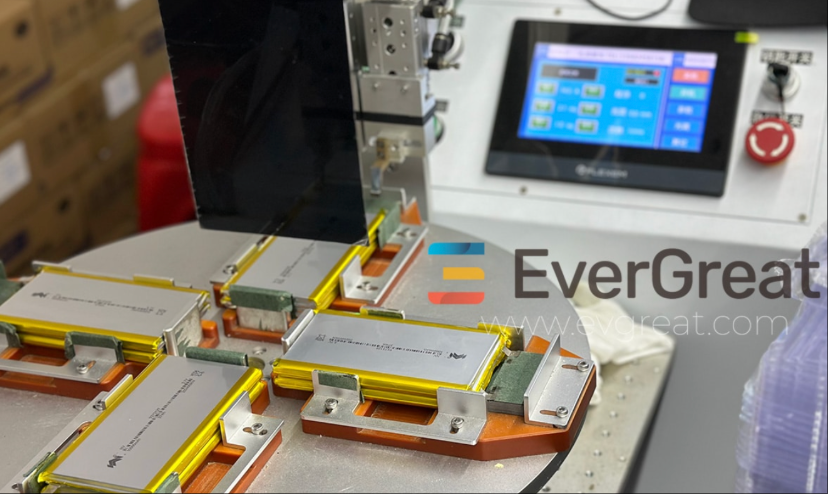
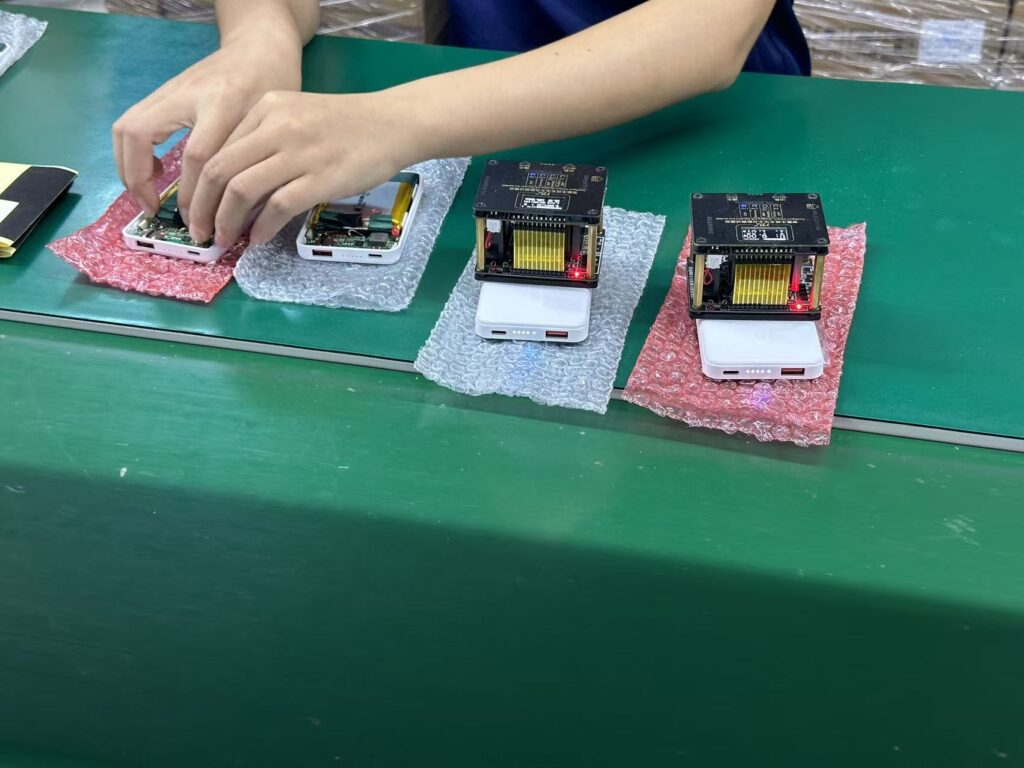
The main reason power banks cannot go in checked baggage is fire risk. Lithium-ion batteries, which are used in power banks, have a small but real chance of overheating and catching fire. If this happens in the cargo hold, it’s a huge danger. There are no flight attendants or crew members in the cargo area to quickly put out a fire. In the cabin, however, crew members are trained and equipped to handle such emergencies if a device starts to overheat. Damaged, short-circuited, or poorly manufactured batteries are more prone to overheating. Thermal runaway can occur without warning due to damage, overheating, overcharging or manufacturing defects. If a lithium-ion battery fails it can go into “thermal runaway”, releasing heat energy from a battery cell to create a self-sustaining fire and emitting toxic gases. The lithium-ion battery in the recalled power banks can overheat and ignite, posing fire and burn hazards to consumers. The FAA has logged over 50 lithium battery incidents in 2025, ranging from smoke emissions to full-blown fires, prompting urgent advisories to airlines.
Airlines and aviation authorities like the FAA (Federal Aviation Administration) or EASA (European Union Aviation Safety Agency) set these rules to keep everyone safe. They prioritize passenger safety above all else. FAA requires that lithium batteries must be carried in the cabin, not checked baggage. Passengers should notify flight crew immediately if their lithium battery or device is overheating, expanding, smoking or burning. EASA considers power banks not as PEDs but as spare batteries, and must follow the restrictions that apply to them. If the Wh is higher than 100 but not higher than 160, you will need an approval from the operator to carry the item. So, while it might seem like a small inconvenience to carry your power bank with you, it’s a vital safety measure. Always make sure your power bank is with you in your carry-on or personal item. Do not ever pack it in your checked suitcase.
Do airlines have different rules for carrying power banks?
Just when you think you understand the rules, different airlines throw a curveball. Airline policies can vary widely, adding a layer of complexity.
Yes, airline rules for power banks can differ significantly. While there are common global guidelines, some airlines have stricter limits on quantity, size, or require specific certifications, especially for international travel.

I’ve learned this the hard way during my travels. While many general rules apply across airlines, I’ve found that specific policies can change. For example, I remember a trip to China where I learned about their unique requirements. Domestic flights within China often require power banks to have CCC certification. If your power bank doesn’t have this, it might not be allowed. This was a surprise to me, and it shows why checking specific country and airline rules is so important. In China, the CCC mark must be clearly printed on the power bank and not just a sticker. This rule is strictly enforced on domestic flights within China and can lead to confiscation. The requirement does not apply to power banks made in China for export. As of June 28, 2025, China’s airport security officials started strictly enforcing a ban on any power bank that lacks an official "CCC" (also known as 3C) safety certification, leading to widespread confiscations.
Some airlines also limit passengers to only one power bank per person, even if the total Wh is under the general limit. This isn’t common, but it does happen. This kind of detail can easily be missed if you only rely on general guidelines. For example, Emirates and flydubai only allow one power bank under 100 Wh per passenger. Delta allows a “reasonable quantity for personal use” for batteries under 100 Wh.
Here is a quick overview of potential variations:
| Policy Aspect | Common Rule (Most Airlines) | Potential Variations (Some Airlines/Regions) |
|---|---|---|
| Capacity | Up to 100 Wh in carry-on. | 101-160 Wh with prior airline approval. |
| Quantity | Usually 2-4 per passenger. | Some airlines limit to 1 or 2 per person. |
| Certification | Generally not required to be visible. | China domestic flights: often require CCC certification. |
| Usage in Flight | Cannot be used during flight. | Universal rule. |
| Packaging | Often recommended to be individually protected (e.g., in a bag). | No strict rule, but good practice. |
Before traveling, I always make it a point to check the specific rules of my airline and my departure country. I usually go to the airline’s official website or call their customer service. This simple step helps avoid any issues at security checkpoints. It ensures my journey starts smoothly without any unexpected delays or confiscations.
Conclusion
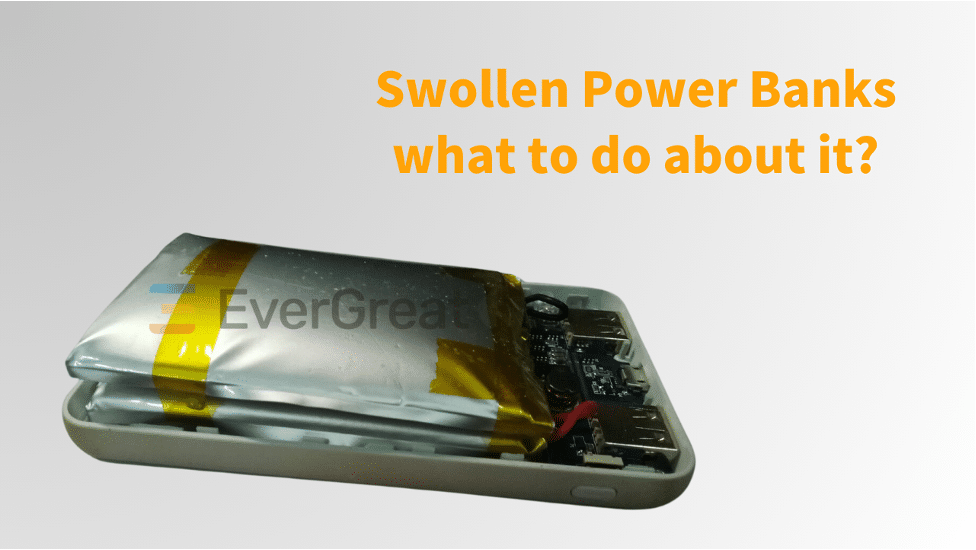
Bringing a power bank on a plane is possible with careful planning. Always keep them in carry-on, check the Wh limits, and review your airline’s specific rules before you fly. Always protect spare batteries from damage and short circuits, do not charge power banks unattended or overnight, buy power banks from reputable retailers, stop using power banks that show signs of damage, overheating or swelling, and keep devices with you. Phones, laptops, cameras, and power banks must stay in hand luggage. The International Air Transport Association (IATA) has launched campaigns like “Travel Smart with Lithium Batteries” to educate passengers on safe practices.