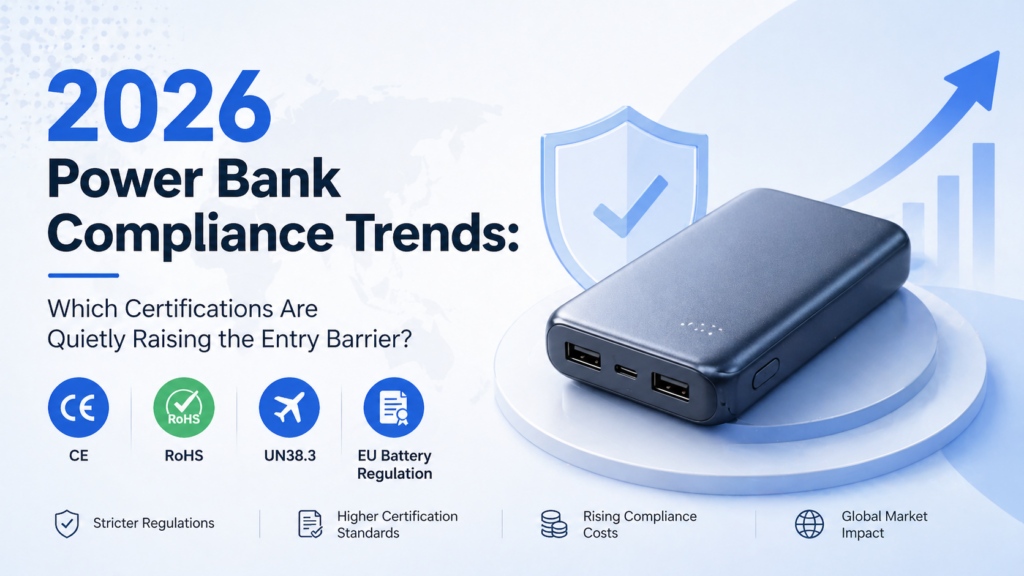
Are you feeling the pressure from new power bank regulations? Navigating China’s CCC and GB 47372-2026 rules can be a big challenge. It’s time to act now.
The 2026 compliance changes, driven by China’s CCC and GB 47372-2026 rules (officially released March 31, 2026, with mandatory implementation for all products by April 1, 2027), require importers and brands to overhaul supplier qualification and documentation practices. This shift means checking cell sourcing, BMS design, and thermal protection much earlier in the product lifecycle, moving beyond simple paperwork.
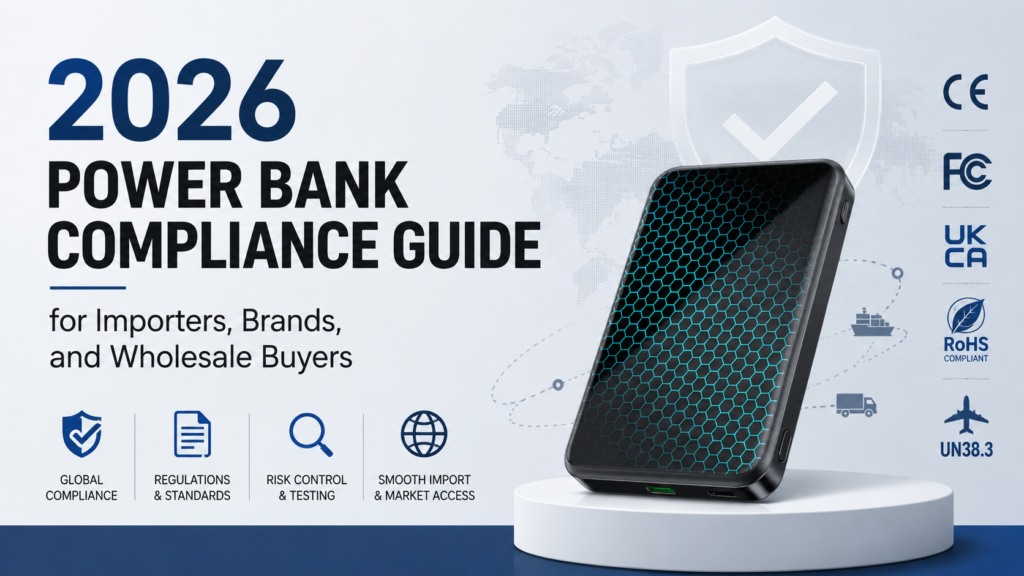
The power bank market is changing fast. I believe that success will no longer come from just offering the biggest capacity or fastest charging. It will come from making safety and compliance a predictable part of your business. This is why we need to look at what is coming next.
How China’s CCC and GB 47372-2026 rules change supplier qualification and product documentation?
Are you ready for the new standards? Ignoring China’s upcoming compliance changes can put your business at risk. Understanding these rules is a must.
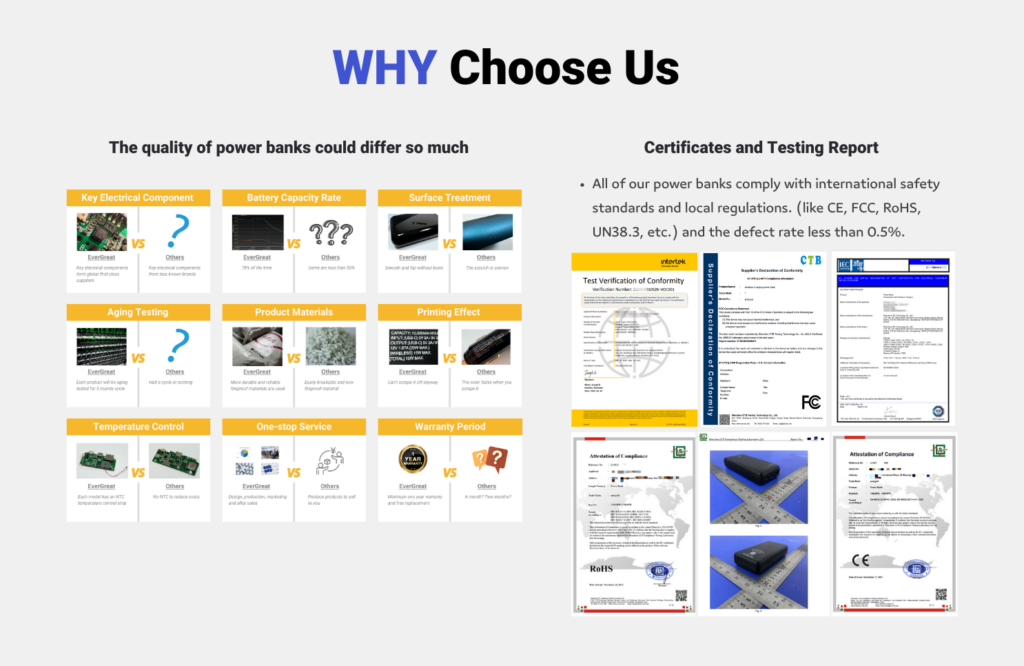
China’s CCC and GB 47372-2026 rules demand a deeper look into product components and manufacturing. They require suppliers to provide detailed documentation on cell sourcing, Battery Management System (BMS) integrity, and thermal protection. This means buyers must qualify suppliers based on early-stage design and material choices, not just final product certificates.
Understanding the New Landscape
In my experience, buyers used to just check certificates close to shipment. That way of thinking is now very risky. As new rules come out, serious importers and brands will check compliance much earlier. This starts with how cells are sourced. It includes BMS design, thermal protection, and even transport papers. All these things will become key parts of choosing a supplier. They will not be something you fix after you sell the product.
Key Changes and What They Mean
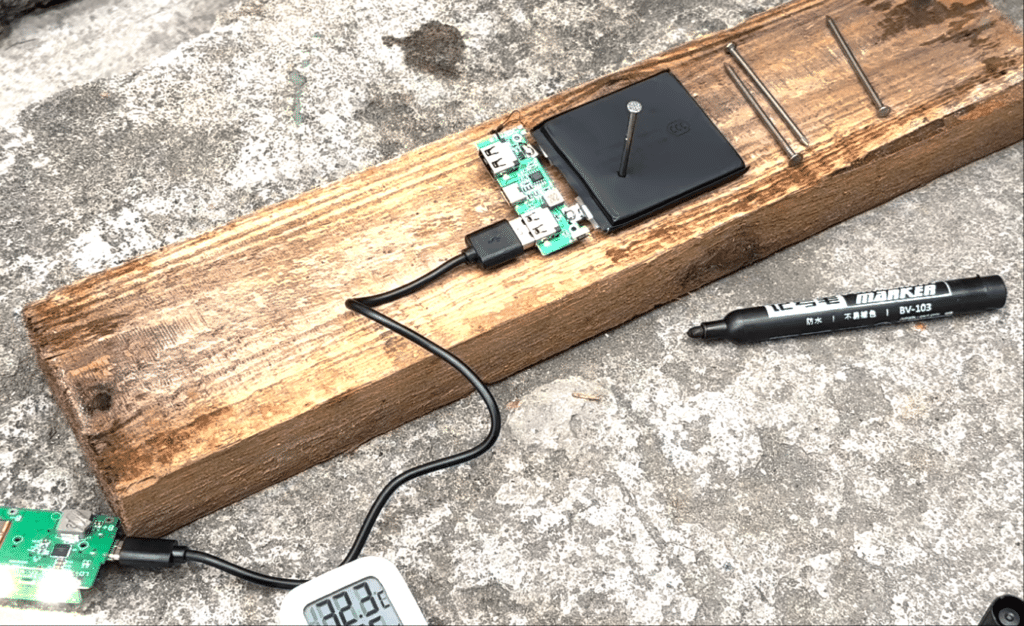
The new GB 47372-2026 standard, China’s first dedicated mandatory national standard for power banks, is very strict. It replaces older general or recommended standards and applies to portable power products equipped with lithium-ion batteries, weighing no more than 18 kilograms, and having a total rated capacity exceeding 600 mAh. This includes conventional power banks, portable energy storage systems, and mobile power supplies used for camping and outdoor activities. The standard focuses on safety features from the ground up, introducing significantly stricter requirements. This means suppliers must show full transparency. They need to prove their cells meet high standards through mandatory tests like the nail penetration test, where a steel needle must pierce the cell without causing fire or explosion. They also need to show how their BMS protects against overcharging and overheating, with stricter thermal abuse tests (e.g., exposure to 135°C for 60 minutes) and overcharge tests (charging voltage increased to 1.4 times the rated voltage). Furthermore, lithium plating detection after repeated charge-discharge cycles is now required, and the use of second-life or refurbished cells is strictly prohibited. New mechanical safety tests, including drop, crush, and heavy impact scenarios, cover both transportation and usage. This is a big step up from just basic checks, and it’s expected to significantly raise market entry thresholds, potentially leading to industry consolidation.
Impact on Supplier Qualification
When I work with new clients, I always tell them to look beyond the price tag. Under these new rules, supplier qualification goes much deeper. Buyers must ask for detailed test reports for each component. They need to see proof of quality control at every step. This means asking about:
| Component | Documentation Required | Why it Matters |
|---|---|---|
| Battery Cells | Manufacturer’s datasheet, safety certificates (UN38.3), nail penetration test reports, evidence of lithium plating detection, and confirmation that no second-life or refurbished cells are used. | Prevents cheap, unsafe cells that lead to fires and explosions, ensures long-term safety, and complies with new prohibitions on refurbished cells. |
| BMS | Design schematics, functional test reports, over-protection data, real-time monitoring data for voltage and temperature, abnormal event storage, and evidence of automatic shutdown/lockout mechanisms upon abnormality. | Ensures circuits prevent overcharge, over-discharge, short-circuit, and can intelligently manage battery health, recording abnormalities and preventing further use if severe safety breaches occur. |
| Thermal Protection | Sensor data, cut-off temperatures, stress test reports, including results from stricter thermal abuse tests (e.g., 135°C for 60 minutes). | Stops overheating, a common cause of battery failure, by verifying the system’s robustness under extreme conditions. |
| Traceability | Batch numbers, component origin, production dates, and for CCC certified products, a unique traceability QR code. | Allows quick recall if a problem is found, enhances supply chain transparency, combats counterfeit products, and allows consumers/regulators to verify authentic product information. Mandatory labeling of safe service life and production date also improves accountability. |
I have seen cases where a supplier’s paperwork looked perfect. But a deeper look showed they were not following these rules. This kind of detail is what separates a reliable partner from a risky one. Buyers must now ask harder questions at the start.
Why airline battery-fire headlines are making buyers ask harder safety questions?
Are you worried about negative press? Frequent news stories about battery fires on planes scare customers. They also make buyers demand more safety checks.
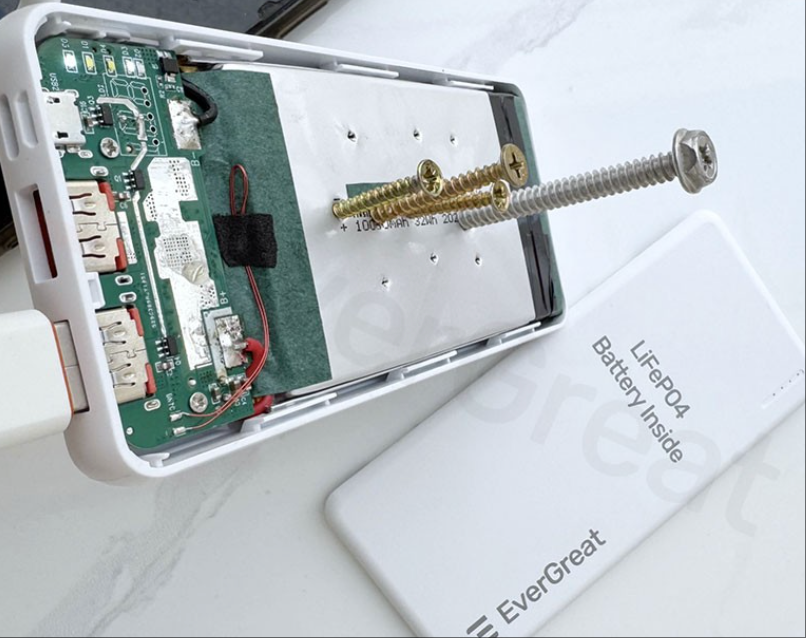
Airline battery-fire headlines highlight the public safety risks associated with power banks, forcing buyers to ask tougher questions about product safety. These incidents increase scrutiny on battery certifications, thermal management, and robust quality control throughout the supply chain. This means buyers now look for solid proof of safety measures, not just basic compliance.
The Impact of Public Perception
I often talk with buyers who mention the latest airline incident. These news stories create real fear. From 2020 to 2024, South Korean airlines alone reported 13 plane fires caused by electronic device batteries, with 9 specifically attributed to power banks. In 2024, there was an alarming average of two thermal runaway incidents involving lithium-ion batteries on aircraft per week, marking it the second-highest rate since 2019, with power banks and vapes frequently identified as the cause. These incidents, such as a recent one on an Air Busan aircraft in January 2025 potentially caused by a power bank, remind everyone how dangerous a faulty battery can be, leading some airlines to implement new policies. Nearly one in five incidents result in significant passenger disruption, like diverted landings or evacuations. This changes how buyers look at power banks. They move from asking "how fast?" to "how safe?", especially with major product recalls, like Romoss recalling almost 500,000 power banks and Anker issuing a voluntary recall, making headlines. This shift is very important for our industry. It means we must earn trust.
Increased Scrutiny on Safety Features
After an airline incident, I see a clear change in what clients ask for. They want to know every detail about safety. They ask about the battery cells’ origin. They want to understand the BMS design. They also want to see how thermal protection works. It is no longer enough to say your product is safe. You must show it. This means providing clear proof for each safety feature.
Protecting Your Brand and Customers
A single product failure can ruin a brand’s name. This is especially true when it involves safety. I tell all our clients that investing in safety is not just about compliance. It is about protecting their reputation. It is about keeping their customers safe. This focus on safety makes their brand stronger. It builds trust with their customers. When buyers ask harder questions, it is because they want to avoid problems. They want to protect their brand too. We, as suppliers, must help them do that. This means being open and providing full details about our safety steps.
| Safety Feature | Buyer’s Concern | Proof Needed |
|---|---|---|
| Cell Quality | Risk of swelling, overheating, or explosion | Reputable cell supplier, UN38.3, UL certification, nail penetration test reports, and evidence against lithium plating after cycles. |
| BMS Reliability | Failure to prevent overcharge, short-circuit, deep discharge | Design verification, function test reports, overload protection data, evidence of real-time monitoring, abnormal event storage, and abnormal condition lockout functionality. |
| Thermal Design | Risk of overheating during use or charging | Thermal management design, heat dissipation tests, temperature sensors, and results from stricter thermal abuse tests, such as 135°C for 60 minutes. |
| Durability | Product breaking easily, exposing internal parts | Drop tests, vibration tests, enclosure material specifications, and results from new mechanical safety tests including crush and heavy impact scenarios. |
I have personally helped clients rebuild trust after a previous supplier’s product failed. The key was showing full transparency. We showed them every safety measure we put in place. This made them feel secure. This proactive approach helps everyone avoid problems before they start.
Turning certified cells, thermal protection, and traceable test reports into B2B trust signals?
Do you want to build strong B2B trust? Moving beyond basic claims makes a difference. Show real proof of safety and quality to gain buyer confidence.
Certified cells, robust thermal protection, and fully traceable test reports are essential B2B trust signals. They prove a commitment to safety and quality, going beyond simple claims. Providing this detailed documentation allows buyers to verify every component and process step. This transparency builds confidence and helps secure long-term partnerships.
Beyond the Marketing Hype
In my work, I see many products that claim to be "safe" or "high quality." But real trust comes from proof. It comes from certified cells that have passed rigorous new tests like nail penetration and lithium plating detection. It comes from solid thermal protection verified by stricter abuse tests. It comes from test reports you can trace back to every batch. These are not just technical terms. They are signals that tell buyers, "This product is reliable." This means going beyond marketing words. This means showing real data.
The Power of Traceability
When I walk clients through our factory, they are always impressed by our traceability. We can show them where every single cell came from. We can show them when it was tested. We can show them who did the testing. This level of detail is very powerful. With the new CCC certification requirement for a unique traceability QR code (mandatory for new certifications from March 1, 2026, and for all products in the market by March 1, 2027), this level of transparency is not just desired, it’s mandated. This QR code allows consumers and regulators to scan and verify authentic product information, further cementing trust. It lets buyers know we are serious about quality. It means if there is ever a problem, we can find the source quickly. This makes problem-solving much faster and easier for everyone.
Winning Better Customers
I have seen firsthand how a well-documented product can win over a client. This is true even if the unit price is not the lowest. Serious buyers value peace of mind. They want to know they are buying a product that will not cause issues down the road. They look for partners who can offer clear details. This includes:
- Certified Cell Documentation: Proof that battery cells meet international safety standards (e.g., UL, IEC, UN38.3), including results from mandatory nail penetration tests and lithium plating detection.
- Thermal Protection Protocols: Detailed explanations of temperature sensors, cut-off mechanisms, and heat dissipation design, backed by data from stricter thermal abuse tests (e.g., 135°C for 60 minutes).
- Comprehensive Test Reports: Full reports from accredited labs, covering cycle life, overcharge, short-circuit, transport tests, and new mechanical safety tests (drop, crush, heavy impact), with batch numbers linked to production and demonstrable BMS intelligent management features.
- Supplier Audit Reports: Evidence of regular checks on component suppliers to ensure their quality standards.
This clear documentation sets you apart. It tells buyers that you understand their needs. It shows you care about their brand and their customers. It turns safety features into trust signals. It helps you get better customers and keep them for a long time. My team always makes sure we give our clients all this information. This makes their decision much easier. It builds a very strong partnership.
Conclusion
The power bank market is changing fast. Focus on proactive compliance and documented safety to win. This builds trust and ensures long-term success.